

 Seeds
Seeds
























 Growshop
 Nutrients








 Extractions
 CBD
CBD
 Magic Mushrooms
 Headshop
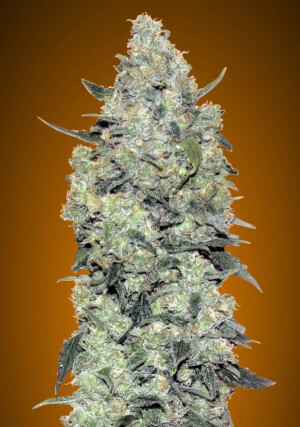




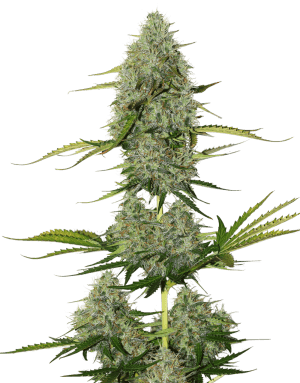












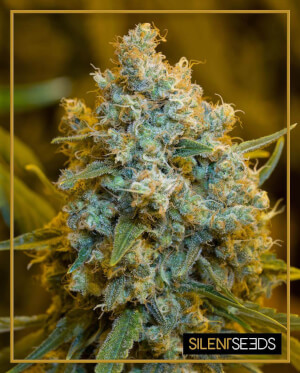




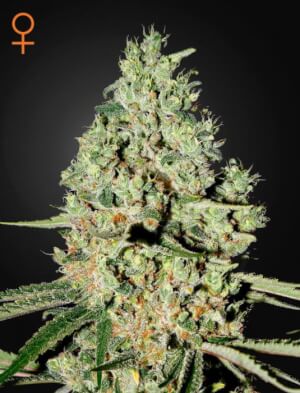


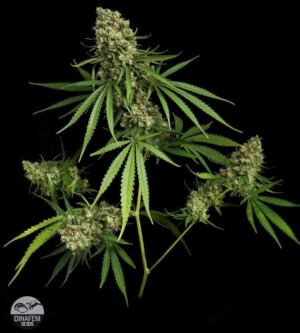
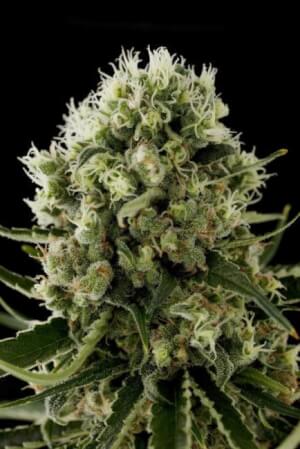
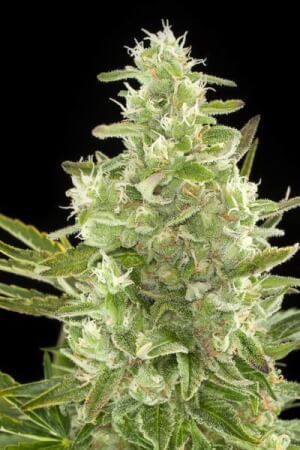

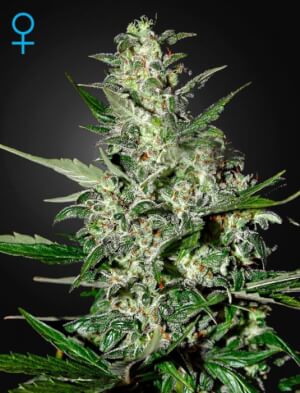

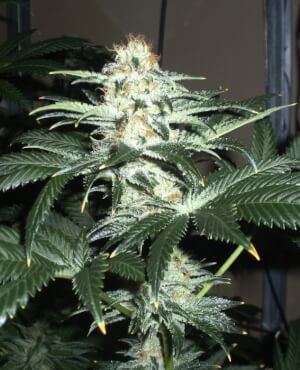
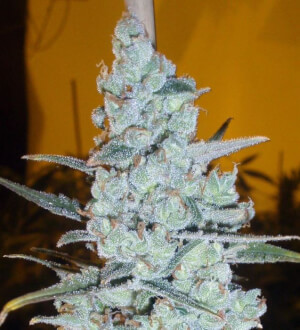


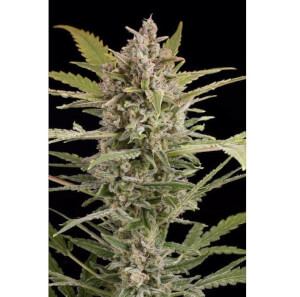




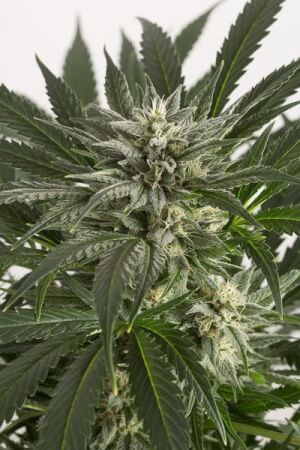












What is Critical Genetics?
Critical genetics originated in the 1990s with the creation of Critical Mass, an improved version of Big Bud developed by Shantibaba and Nevil Schoenmakers for Mr Nice. This hybrid revolutionized the market with its incredible yield, ease of cultivation, and potent, penetrating aroma profile.
One of the major milestones was the appearance of the famous Critical Bilbo cutting, a Basque selection of Critical Mass that swept the cannabis cups, consolidating itself as an essential reference.
Why choose Critical varieties?
Critical marijuana seeds are an excellent choice for multiple reasons:
- Fast flowering : short cycles ideal for indoor or outdoor use.
- Very high production : large, heavy buds full of resin.
- Sweet and penetrating aroma : fruity, earthy and skunk notes.
- Powerful and long-lasting effect : ideal for relaxation, stress relief or sleep.
- Ease of cultivation: robust, resistant.
Furthermore, its versatility has allowed for the creation of a wide range of hybrids that retain Critical's key characteristics while adapting to different profiles and needs.
Who are they ideal for?
Critical genetics are perfect for:
- Growers seeking maximum production in a short period of time.
- Therapeutic users who need powerful and relaxing effects .
- Beginners who appreciate an easy and grateful plant .
- Lovers of sweet aromas with a skunky touch.
What Critical varieties exist?
Over the years, Critical has produced numerous quality hybrids, such as those from Philosopher Seeds:
- Critical Kush : Combines the indica potency of OG Kush with the production of Critical.
- Critical Widow : mixes relaxing effects with fast and heavy flowering.
- Critical Auto XXL : autoflowering version with large size and massive harvests.
You can also find it in regular, feminized, automatic, and CBD formats, depending on the bank.
Featured Banks:
- Mr Nice (the original)
- Royal Queen Seeds
- Advanced Seeds
- Philosopher Seeds
Each bank has contributed its own version or hybrid of Critical, adapting it to different needs, from indoor cultivation to therapeutic use in those countries where legislation permits it.
