

 Seeds
Seeds























 Growshop
 Nutrients








 Extractions
 CBD
CBD
 Magic Mushrooms
 Headshop


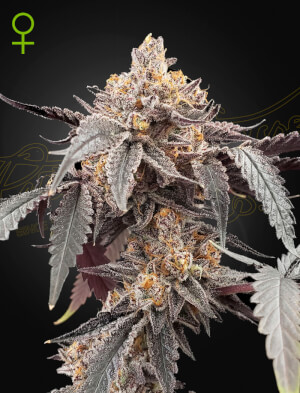

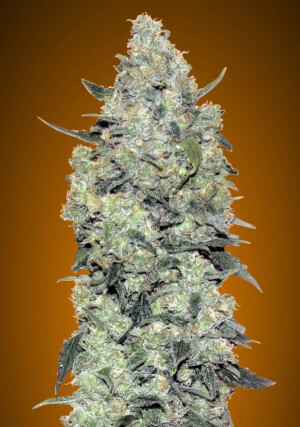
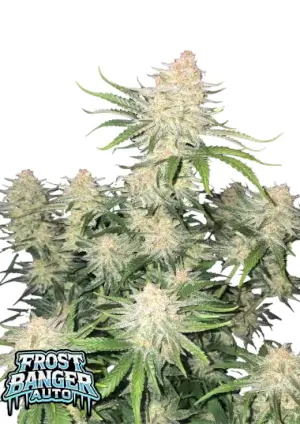


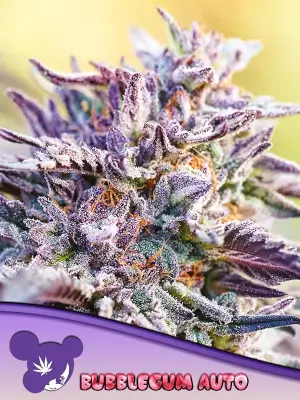
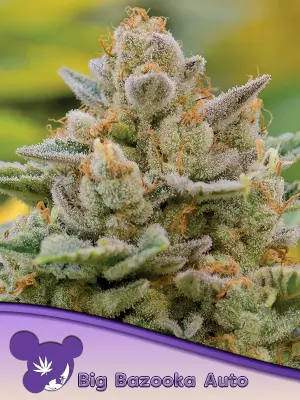
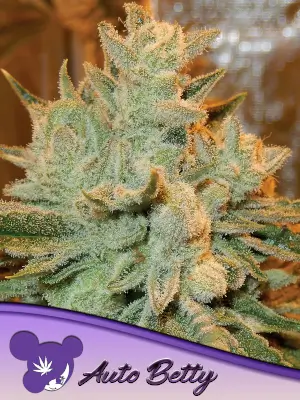
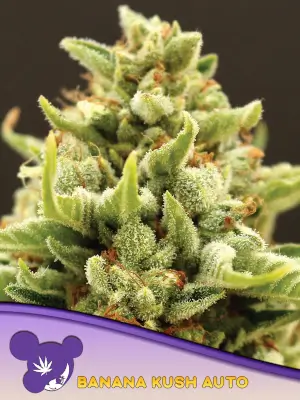
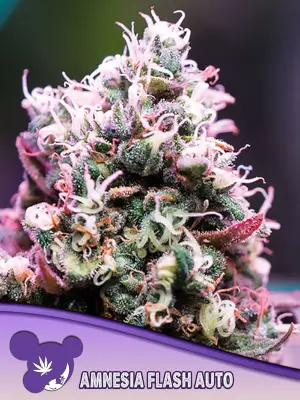
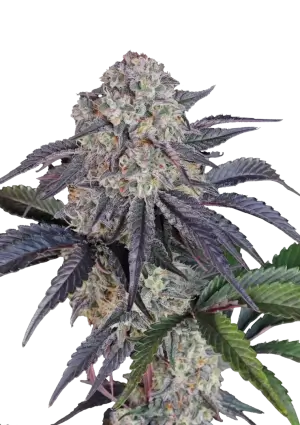
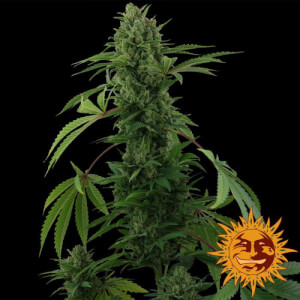
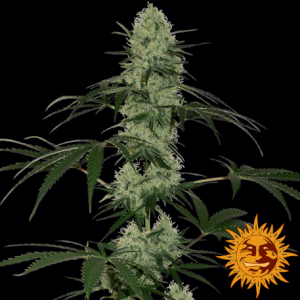
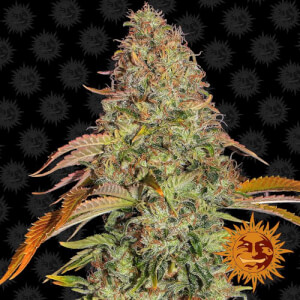


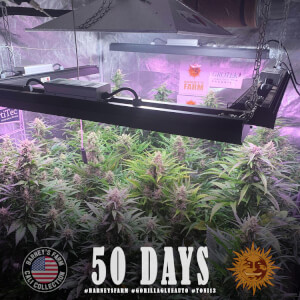
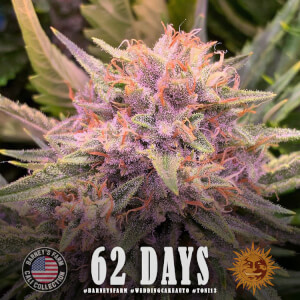

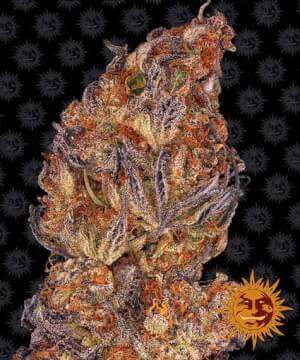


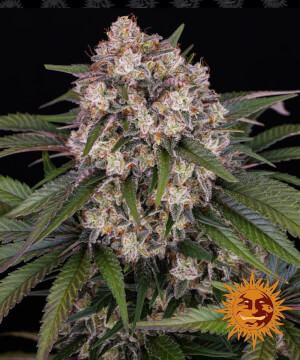
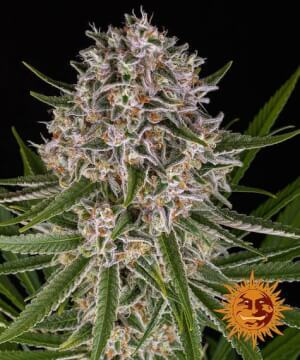



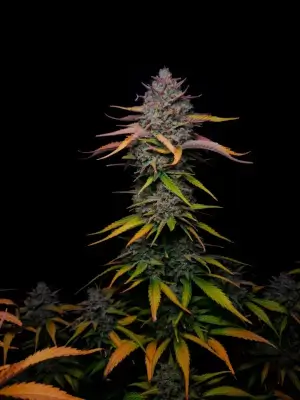



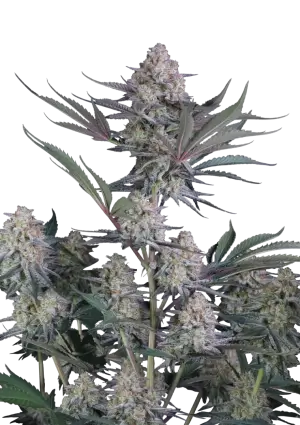
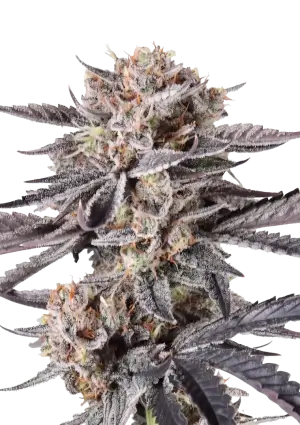
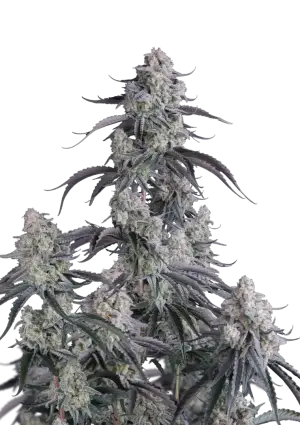
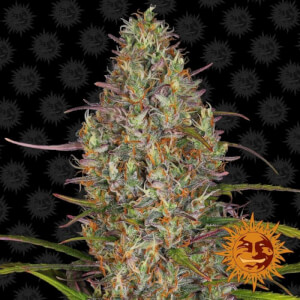


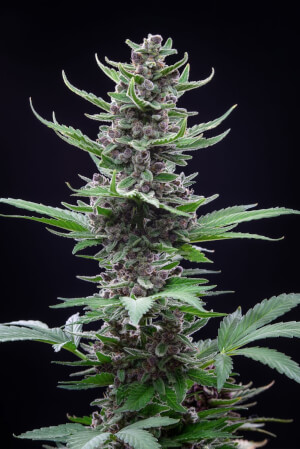



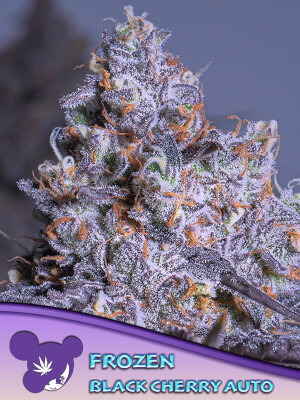



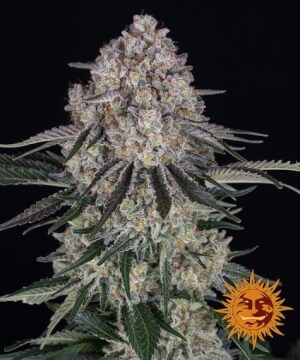




Growing autoflowering marijuana seeds
As we've already mentioned, autoflowering or automatic varieties don't depend on photoperiod, or in other words, they don't respond to the light cycle. Their flowering begins regardless of the number of hours of direct light they receive, and they usually begin to flower three or four weeks after germination.
Who are they ideal for?
- For growers looking for simplicity and speed.
- For those with limited space.
- For beginners starting out in home growing who want hassle-free results.
- For experts who want an extra harvest between seasons or experiment with continuous cycles.
What advantages do they offer?
- Short cycles: some are ready in as little as 8-10 weeks.
- They do not need a photoperiod: they flower automatically.
- Total discretion: small plants, ideal for terraces.
- Easy handling: ideal for beginners.
- High resistance to pests and adverse climates.
When is it advisable to grow autoflowering seeds?
Marijuana growers often choose autoflowering seeds because of their faster life cycle and because, by producing smaller plants, they are much more discreet from the eyes of neighbors and passersby.
Autoflowering marijuana is also a good solution for growing in places with light pollution, where photoperiod-dependent seeds (feminized or regular) never flower, such as on a balcony or terrace with a nearby light source that interrupts the nighttime cycle by lengthening the daylight hours (a streetlight, for example). Autoflowering strains do guarantee a harvest in these cases.
Finally, because they do not depend on photoperiod, many growers take advantage of spaces in the mother room or closet where the photoperiod is 18/6 to grow them, obtaining an extra harvest.
When to grow autoflowering seeds outdoors
Autoflowering seeds can be grown at any time of year, but to optimize yield, it is recommended to sow them between spring and late summer to take advantage of maximum sunlight hours and good temperatures (minimums above 18ºC) and always in a location with a minimum of 5-6 hours of direct sunlight.
It's worth noting that the time from seed planting to harvest takes 7 to 12 weeks (depending on genetics), and growing 3 to 4 crops per year is possible. Many growers plant autos in spring to enjoy their buds while they wait for the fall harvest of photoperiod-dependent varieties.
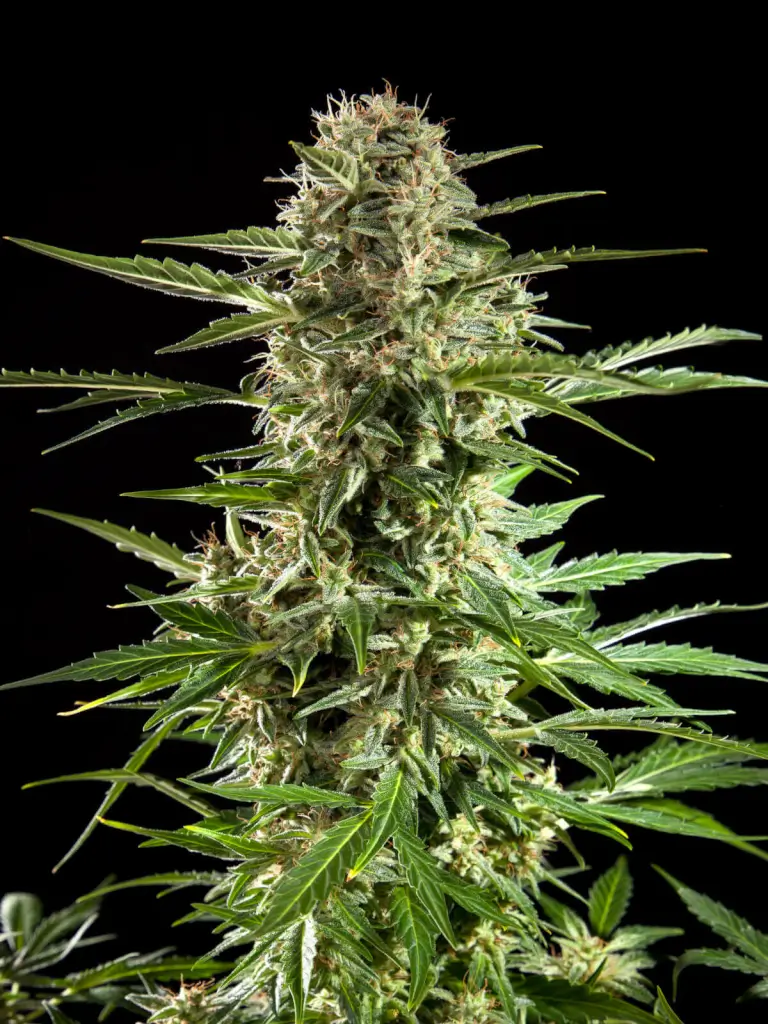
Substrate and fertilizers for autoflowering plants
Fertilizers for autoflowering marijuana plants differ from those for photoperiod plants, as flowering and growth occur almost simultaneously. They are also generally more sensitive to ionic fertilizers and more affected by excesses of certain nutrients.
Origin of autoflowering marijuana plants
The auto-flowering characteristic comes from a cannabis subspecies called Ruderalis. Russian botanist Janischewski described this subspecies in 1924 based on specimens from Siberia.
They are native to the extreme climates of Northern Europe and Asia (Siberia, Central Russia, etc.), where plant life cycles must be faster. In these harsh climates, the periods for optimal plant growth are very short, so the ruderalis subspecies likely adapted by reducing the time it takes to complete its life cycle.
There are several theories regarding the origin of the first hybrids with the autoflowering gene. It is rumored that it was created at the University of Mississippi as part of a state program to produce legal marijuana, although this is not known for certain, as no documentation has been found on the subject. There are also theories about its Canadian origin, where in the 1980s an amateur grower noticed that some of his plants flowered in mid-August while the rest did so in October. Sensi Seeds offered Ruderalis varieties in its catalog, but not all phenotypes were 100% autoflowering.
First autoflowering varieties
What is much clearer is that the origin of the first autoflowering strains (seeds) available for purchase was created by a grower who called himself The Joint Doctor. His first autoflowering strain was created from a variety called "Mexican Rudy," the origin of which is unclear.
It was a fast-flowering strain, but very low-yielding and very short. He crossed it with a Northern Lights #2 specimen. That first generation was crossed with the indica strain "William's Wonder." This second batch produced male plants that began flowering immediately. Using the pollen from these male plants to cross them with other strains, he obtained the first autoflowering marijuana seeds. After several experiments, in the sixth generation, he found a plant he liked and introduced it to the cannabis seed market under the name "Lowryder," creating his own seed bank called Dr. Choice.
Impact of the Lowryder strain on the marijuana seed market
Initially, the Lowryder strain was unappealing to growers because it was very low-yielding and had low THC and cannabinoid levels. However, some growers were impressed by the potential of autoflowering seeds for faster, more discreet crops.
Some famous growers, such as Donny Danko, popularized its cultivation. Magazines like High Times and specialized talks on cannabis topics popularized its cultivation, thus encouraging research and the creation of new varieties that would improve production and concentrations of cannabinoids and terpenes. The Joint Doctor himself introduced new automatic varieties to the market, such as Lowryder #2, Chronic Ryder, Diesel Ryder, and Easy Ryder.
Over time, large autoflowering varieties appeared; the Buddha Seeds bank was a pioneer with varieties such as Magnum or Deimos, of the first so-called XXL Autos.
