

 Seeds
Seeds























 Growshop
 Nutrients








 Extractions
 CBD
CBD
 Magic Mushrooms
 Headshop


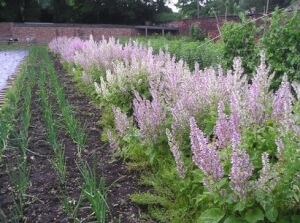




What products does this category include?
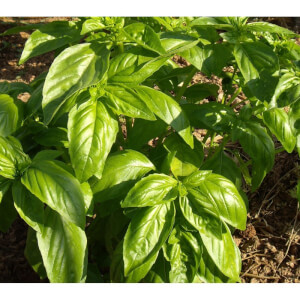
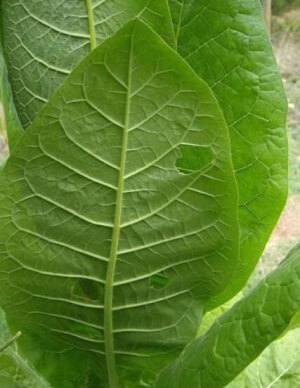
This category includes seeds from plants that add more than just beauty or flavor to your garden: these species release biochemical compounds into the soil (roots, leaves, or residues), known as allelochemicals, which act on other nearby plants, regulating their growth or protecting them from pests. These include basil, known for repelling insects like aphids; borage, ideal for attracting pollinators and biologically improving the soil; and species such as sunflower, walnut, and sorghum, also used to reduce weeds and enrich the substrate.
These seeds are designed to be integrated into vegetable gardens, urban gardens, or organic crops, boosting biodiversity, naturally controlling pests, and improving substrate quality thanks to their role within intelligent plant associations. We recommend reading this article on allelopathy and cannabis for more information on this interesting method.
Frequently asked questions about allelopathic plants
What is allelopathy?
Allelopathy is a natural phenomenon in which certain plants release chemical compounds into their environment that can inhibit or stimulate the growth of other nearby species.
How do these plants help me in the garden?
They can act as natural weed and pest controllers, improve soil fertility, and enhance growing conditions through positive interactions between species.
Are they safe for all crops?
Not always: some species can inhibit sensitive plants. For example, walnut trees or certain fishing lines can negatively affect crops like tomatoes or eggplant.
Where are they usually planted?
You can plant them as companion plants or at the edges of your garden. They can also be used as cover crops or as green manure to renew the soil at the end of the season.
