
 Seeds
Seeds
















 Growshop
 Nutrients







 Extractions
 CBD
CBD
 Magic Mushrooms
 Headshop

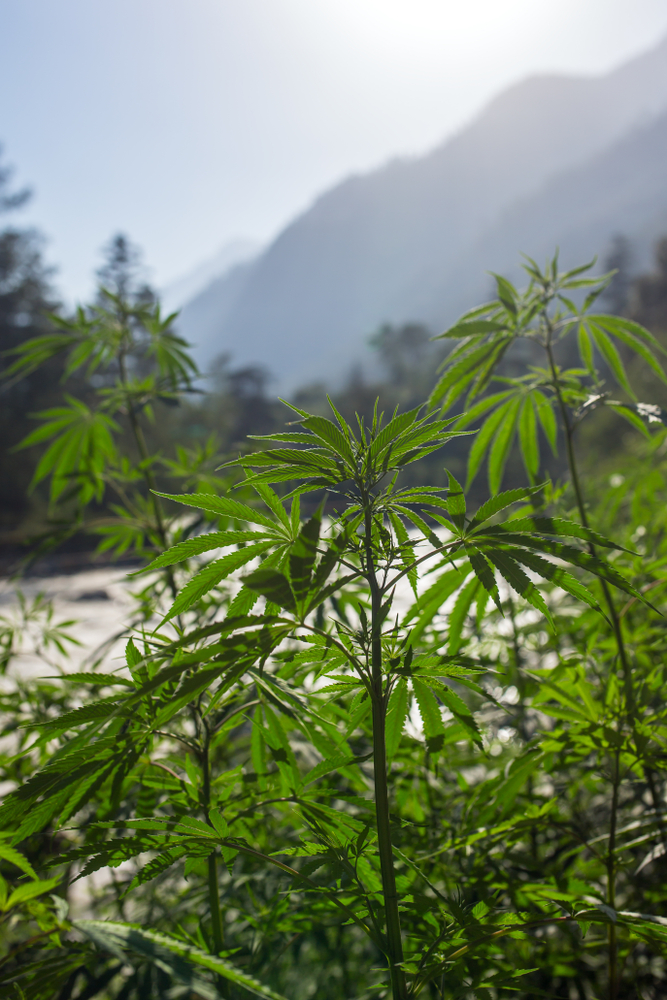
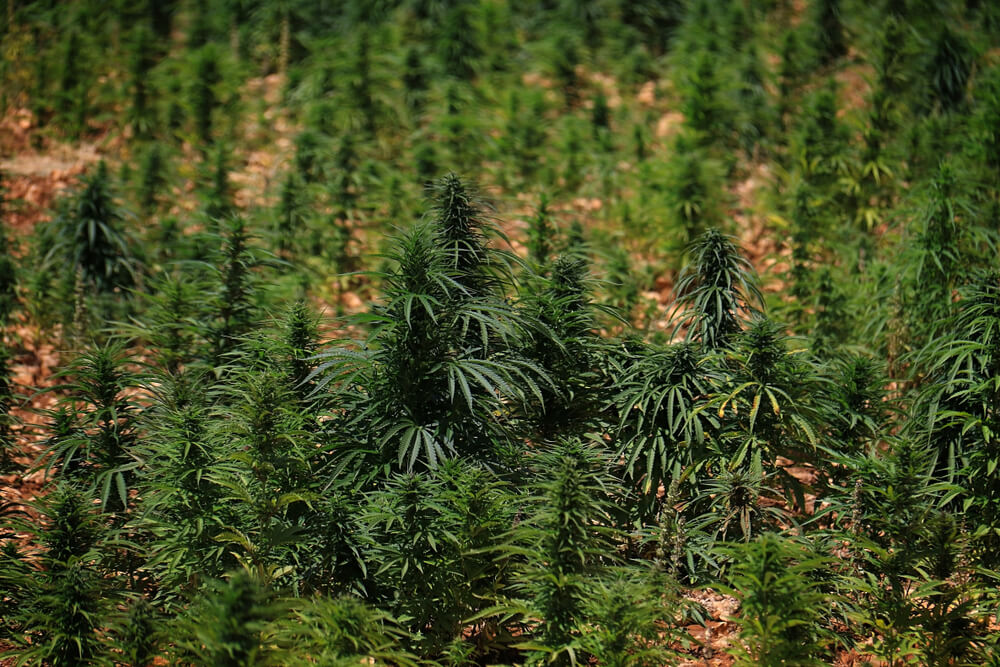
Few regions of the world have a relationship with cannabis as ancient, deep, and contradictory as the Indian subcontinent. There, the plant has been an offering to the gods, traditional medicine, companion to Sufi mystics, source of taxes for an empire, and finally, a prohibited substance. India and Pakistan shared this history until 1947. Since then, their laws have taken different paths, but on the streets, in temples, and in shrines, the traditions remain surprisingly alive. From Sacred Plant to Prohibited Substance Cannabis grows wild on the slopes of the Himalayas and the Hindu Kush, so it's no surprise that it appears in the region's most ancient texts. The Atharva Veda, composed some three thousand years ago, cites bhang among the five sacred plants capable of freeing one from anguish. Some scholars have even speculated that soma, the divine drink of Vedic hymns, was cannabis, although this theory has never achieved consensus. Cannabis plants in an Indian valley