

 Seeds
Seeds
























 Growshop
 Nutrients







 Extractions
 CBD
CBD
 Magic Mushrooms
 Headshop
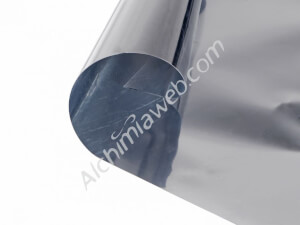
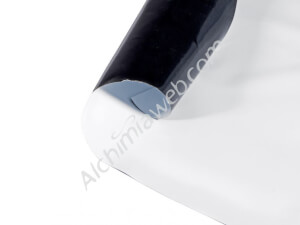


What are reflective plastics?
Reflective plastics are sheets designed to maximize light reflection in weed crops, especially indoors. Their main function is to redirect light that would otherwise be lost through opaque surfaces, directing it toward the plants so they can make the most of it.
Uses of reflective plastics
These types of plastics are placed on the walls, floors, or ceilings of the grow tent or room. Their use increases the amount of useful light received by plants without having to increase the power of the lamps. This translates into more even growth, more balanced light distribution, and, consequently, better results in both production and quality.
Who are they recommended for?
They are ideal for any indoor grower, whether in small grow tents or large rooms. They are also very useful in areas where significant light loss is unacceptable, or when you want to improve efficiency without increasing power consumption. Both beginners and experienced growers can benefit greatly from their use.
What benefits do reflective plastics provide?
Installing reflective plastics directly improves the light output of the crop. By redirecting light toward the plants, it prevents energy waste and promotes more vigorous and balanced growth. They also help reduce shadows, improve crop uniformity, and maintain greater thermal stability, as they also reflect some heat.
What types are there, and how to choose the most suitable one?
At Alchimia, you can find different types of reflective plastics adapted to every need:
- Lightite: one of the most efficient, with a reflection rate of up to 95%. Available in flat or diamond-textured versions for more even dispersion.
- White/black plastics: offer good value. The white side reflects light, while the black side blocks outside penetration.
- C3 Anti-Detection Reflex: In addition to reflecting light, it protects your crop from infrared analysis, reducing its detection.
Which products stand out in this category?
Among the most popular are Lightite Diamond Reflective and black and white reflective film, both available by the meter or in full rolls. Other notable options include C3 reflective film, ideal for reducing the chances of your crop being detected by infrared light.
Frequently asked questions about reflective plastics for cannabis cultivation
How much does light increase with reflective plastic?
Depending on the type of plastic, between 80% and 95% of the light emitted by bulbs that would otherwise be lost can be used.
What is the best reflective plastic for a grow tent?
The Lightite Diamond is one of the most efficient, as it combines high reflection with homogeneous dispersion, ideal for small spaces.
