Cannabis grow guide

The cannabis grow guide is the perfect resource for both beginners and experienced growers who want to improve their results. In this category, you’ll find practical, easy-to-follow articles covering every stage of cultivation, from germination to drying and curing, with expert advice on avoiding problems and maximising yields. Here you’ll discover:

  • Growing techniques: germination, transplanting, pruning, training, and flowering.
  • Harvest and post-harvest: when to cut, how to dry and cure cannabis properly.
  • Pests and diseases: how to identify, prevent, and treat common problems.
  • Cultivation systems: soil, coco, hydroponics, and aeroponics explained.
  • Nutrients and watering: how to feed and maintain a balanced plant diet.
  • Expert tips to optimise yield and quality, both indoors and outdoors.

This section aims to provide a complete, reliable grow guide, with all the information you need to cultivate cannabis safely, efficiently, and according to your goals.

1 Cannabis pests and diseases

Preventing Fungi and Pests in Outdoor Cannabis Cultivation

Outdoor cannabis cultivation offers some advantages that are difficult to match in other growing systems. Natural sunlight, ample space available for root development, and the possibility of obtaining large-sized specimens mean that thousands of growers choose to plant outdoors each season. However, this method also involves exposing plants to all the challenges posed by the natural environment, from sudden temperature changes to the appearance of insects and fungal diseases.

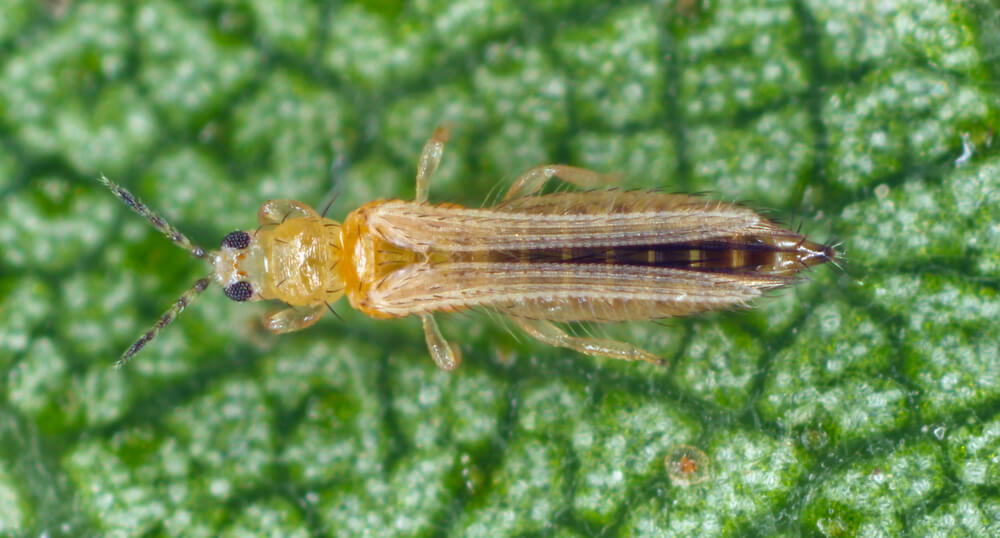
Thrips Parvispinus (Tobacco Thrips): Complete Guide for Cannabis Cultivation

If you grow cannabis, you need to know about Thrips Parvispinus, also known as tobacco thrips. This emerging tropical pest has already been causing headaches in horticultural crops in Spain since 2024, and although there are not yet massive reports in cannabis, its extremely polyphagous nature (it feeds on many different plant species), together with rising global temperatures, means it is only a matter of time before it reaches your plants if you do not take preventive measures. In this article we explain everything you need to know about Thrips Parvispinus: when and how it arrived in Spain, which crops it attacks, how to identify it, the damage it causes and, above all, how to protect your cannabis crop using an integrated pest management and biological control approach. Shall we begin?

HpLVd: The most feared viroid in cannabis cultivation and how to protect your clones

Imagine this: you’ve spent months nurturing a batch of premium cannabis clones, hand-selected from a trusted source. They’re vigorous, vibrant, and primed for a bumper harvest. But when flowering kicks in, disaster strikes: the plants stall out, the buds turn into small, sad, airy little balls, and your yields crash by up to 50%. Welcome to the world of Hop Latent Viroid (HpLVd), the invisible destroyer that has become the cannabis grower’s worst nightmare. Often dubbed the “COVID of cannabis”, HpLVd doesn’t just hit hard; it spreads silently through your clones, underscoring why plant health is non-negotiable for any grower. In this guide, we’ll demystify plant viruses (and viroids like HpLVd) in plain English—think science served with a touch of grow-room wisdom. We’ll trace the stealthy history of HpLVd, highlight its red flags, and arm you with battle-tested strategies to prevent and fight it. Whether you’re a seasoned grower or just dipping your toes into cloning, this is your roadmap to resilient, virus-free crops. Let’s dive in.

Biological control in cannabis cultivation

Cannabis is a plant that, like any other crop, is exposed to a variety of pests that can compromise its growth, production, and final quality. From small insects to fungi and bacteria, pests can cause havoc if you don't control them in time and let them run their course, for they can even completely ruin your harvest and ruin your efforts over the last few weeks. Thus, it is not unusual to see how growers use a series of phytosanitary products intended for pest control to ensure the health of their plants, whether they are organic or chemical products. Well, instead of resorting to chemical pesticides that can leave unwanted residues on the plant and, no less importantly, damage the environment, biological control in marijuana cultivation has become an increasingly popular and sustainable alternative. This approach involves the use of natural enemies of pests to keep the ecosystem in balance, allowing for effective and ecological control of unwanted pests in cannabis cultivation. Today we will tell you all about this practice and present some of the options available to you on our website.

How to get rid of Thrips in cannabis plants

Thrips are one of the most common and problematic pests that can affect cannabis cultivation, especially in indoor crops and greenhouses. These tiny insects feed on plant sap and can cause significant damage if not properly controlled. Some symptoms of a thrips infestation on cannabis plants include silvery or silvery-tan spots on the leaves, foliar damage, bud deformities, and the presence of thrips droppings, which resemble small black spots or dots on the leaves.

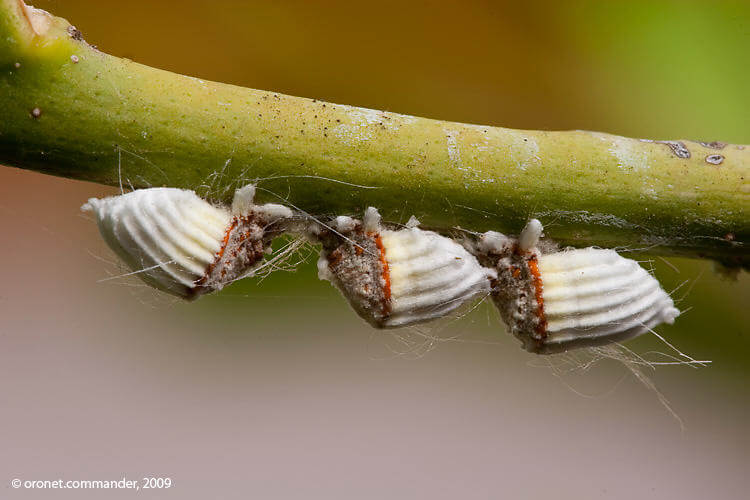
Mealybugs on cannabis plants

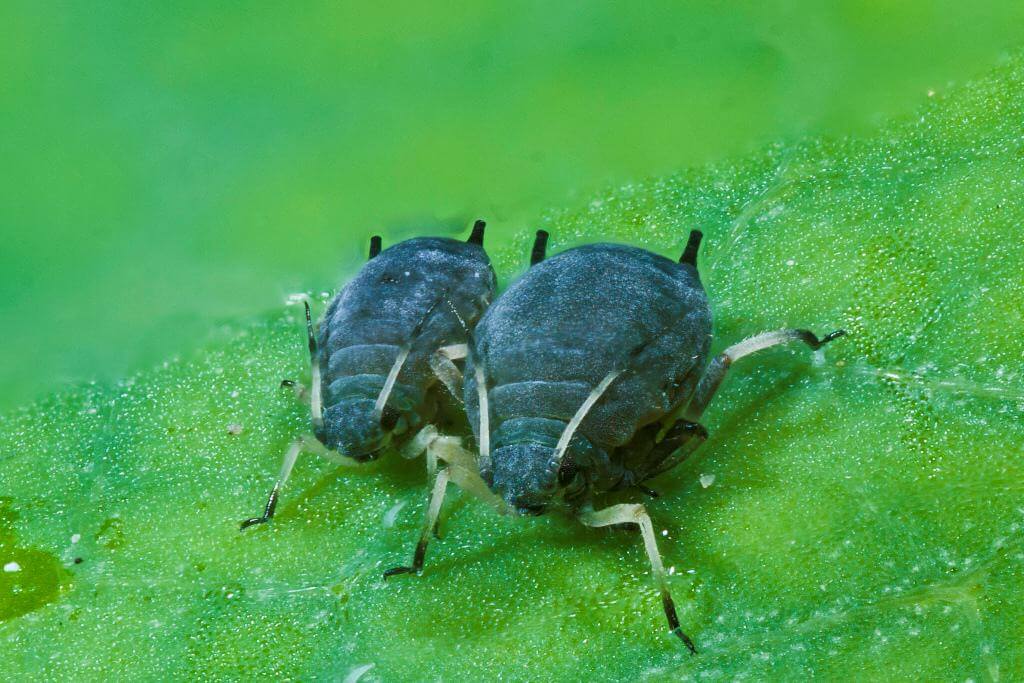
Mealybugs can represent a serious pest for cannabis plants. While they rarely attack indoor plants, they are normally found in outdoor crops. In today's article we are going to see the main characteristics of this sucking insect, as well as what we can do to prevent their appearance or to get rid of them in the most effective way possible.

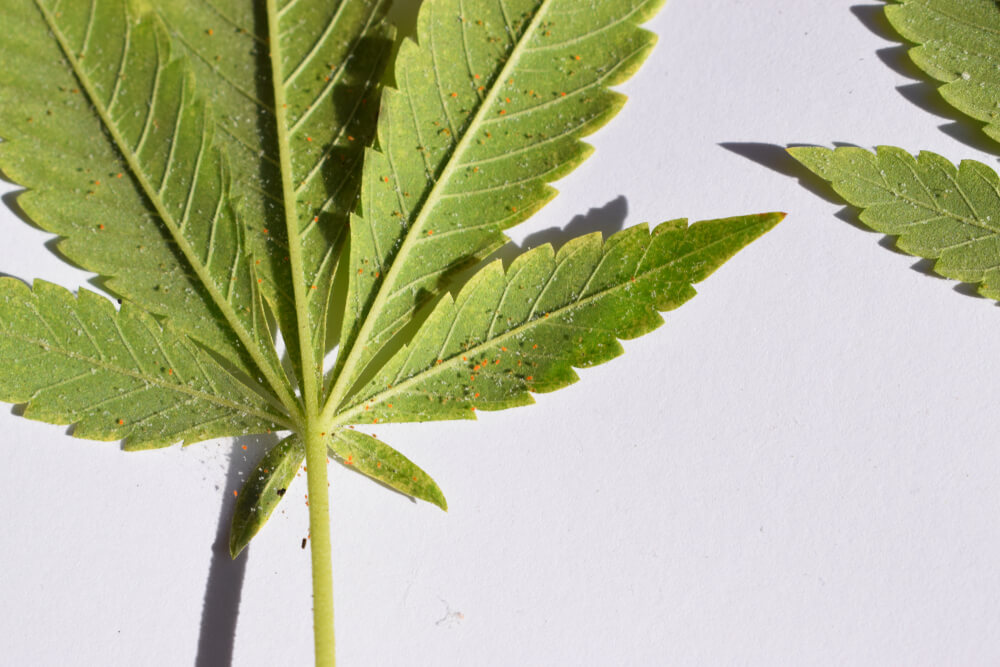
Red Spider Mites

Without a doubt, in the world of cannabis cultivation, the red spider (Tetranychus urticae) is one of the most feared and problematic insects, especially if we talk about indoor cultivation. This tiny arachnid can wreak havoc on cannabis plants, leaving significant damage in its wake that affects both the quality and quantity of the harvest, and can even ruin it if the pest is not controlled. With its ability to multiply rapidly and its preference for warm, dry environments, spider mites represent a constant threat to growers. In this article, we will explore in detail everything you need to know about spider mites, from their life cycle to their control and prevention methods, so you can protect your plants and ensure a healthy and prosperous harvest.

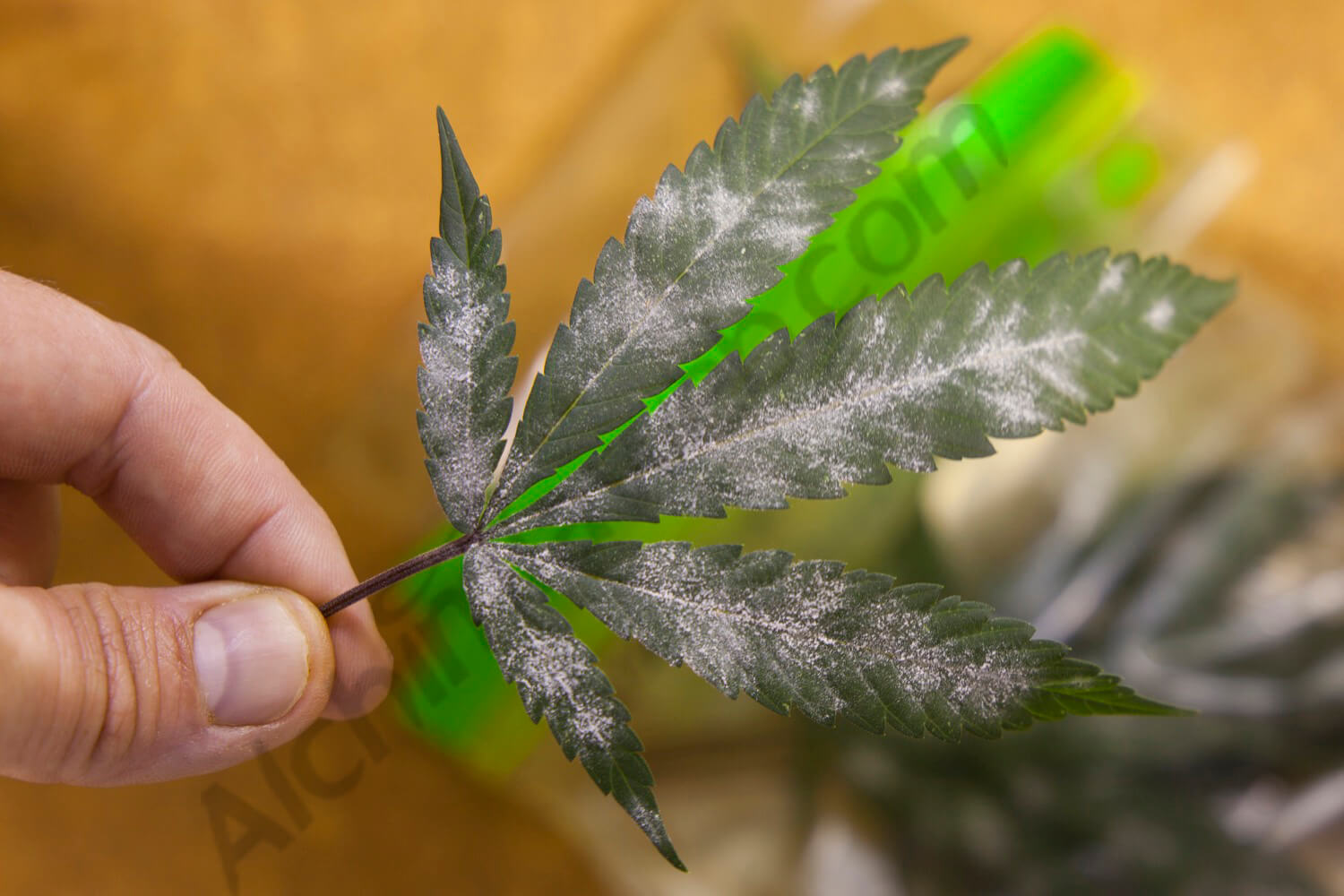
Powdery Mildew and cannabis

In recent years, the marijuana plant has become increasingly sensitive to the attack of the so-called powdery mildew fungus, also known as PM, white mold, ash, etc... It is a parasitic fungus of the erisifáceas family, which attacks the aerial parts of plants. Although the infection is relatively easy to cure, it can have very serious consequences, since it can damage crops and make them 100% useless. In the first phase, it develops on leaves, to later move on to petioles, trunks and finally to the buds, completely destroying the resin and leaving the marijuana completely invalidated for smoking, since the spores of the fungus are solid matter that we would absorb when inhaling.

Erwinia, what is it and how does it affect plants?

In the vast kingdom of microorganisms, Erwinia emerges as a genus of bacteria in the family Erwiniaceae that has captured the attention of scientists, farmers and biotechnologists alike. Although some strains of Erwinia have been recognized for their pathogenic role in plants, others have proven to be allies in industrial production and scientific research, a fact that only increases interest in it. Today we invite you to learn in more detail what Erwinia is and how it affects crops, exploring everything from the symptoms of infection that plants present to its impact on agriculture or how to prevent and treat it.

What is Septoria or Septoriasis in cultivation?

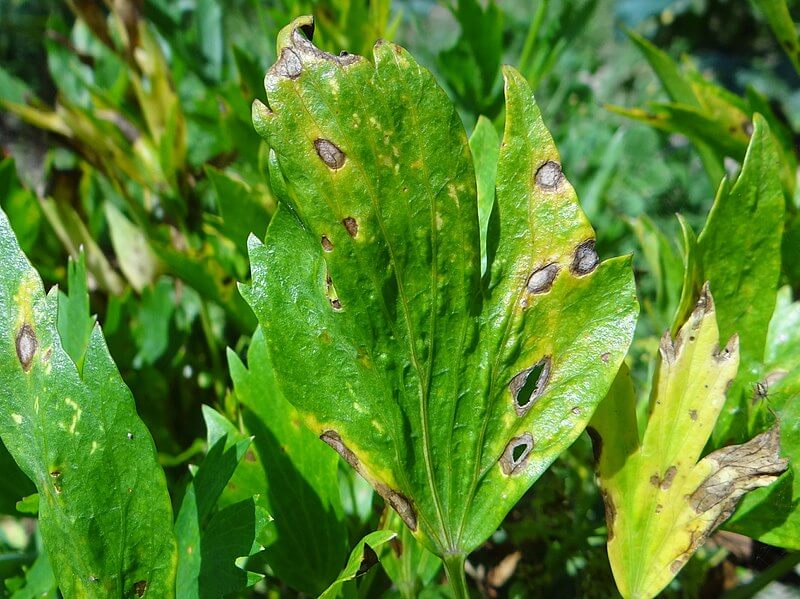
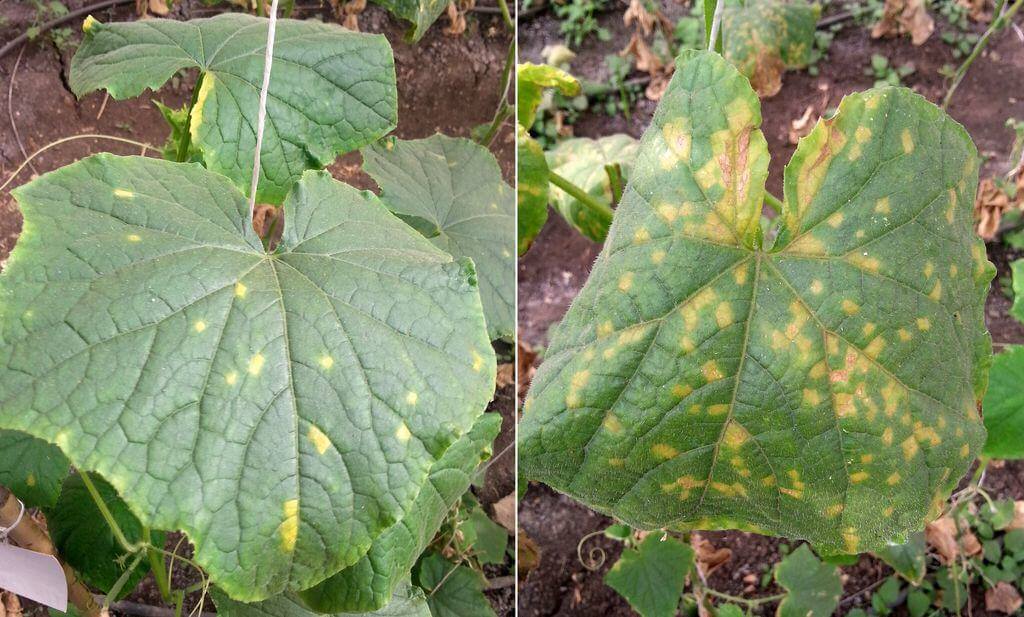
If you have ever cultivated, even if you have never done it before, surely you know that fungi are one of the main enemies of crops throughout the world. These microscopic organisms can spread rapidly in plants, causing a variety of diseases that can significantly reduce crop production and quality. Fungal pests can affect a wide range of plants, from cereals and vegetables to fruits, forest crops, and of course cannabis, causing damage with a significant economic impact for farmers and the food industry. Septoria is a fungal disease that affects a wide variety of plants, including crops such as tomatoes, potatoes, and wheat. This disease is caused by fungi of the genus Septoria, which spread through spores and are characterized by the appearance of small, dark spots on the leaves of the plant, which eventually spread and become necrotic. In this article, we will explore the causes, symptoms, and preventive and control measures of this disease to help you protect your crop.

Plant Quarantine: Isolation is prevention!

Against the backdrop of the global Covid-19 outbreak and while the theme of infectious diseases is at the forefront of our minds, we'd like to take this opportunity to talk about how important quarantine procedures are in the control of plant pathogens that could potentially spoil our entire homegrown cannabis crop, something that becomes a particular risk when we introduce new clones into our garden.

Properties of Neem oil

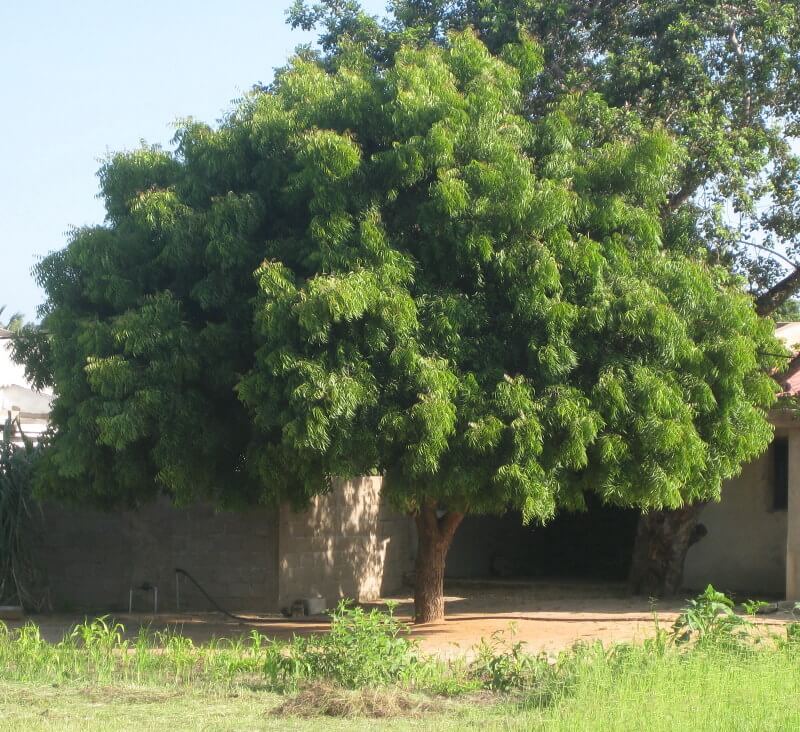
What is neem? Neem oil is a by-product from a tree endemic to India and Burma and other tropical and subtropical areas, known as neem or nim tree (Azadirachta indica) among other names. It's an evergreen tree (doesn't lose its leaves in autumn) which can reach more than 20 meters in height, and it doesn't need large amounts of water to develop. Nowadays, and due to its multiple uses (from the pharmaceutical industry to agriculture), it can be found virtually in all tropical areas of the planet, except for those at high altitudes. Its relationship with humankind goes back several millennia, as confirmed by some neem leaves found in 4500 years old archaeological sites along the Indus basin, in present-day Pakistan. Besides its health benefits, neem oil's insecticidal and fungicidal properties are well known in the field of ecological agriculture, since it's a product 100% organic and environmentally friendly. Its main insecticidal compound, azadirachtin, is widely used in all kind of crops as insecticide all over the world both in indoor and outdoor cultivation, and it's an excellent option for ecological agriculture thanks to its repellent and insecticidal properties. Today, we are focusing on this useful substance and will see how it can help us to keep a healthy and pest-free garden.

Responsible use of pesticides in cannabis cultivation

At this point in the season, when outdoor plants begin flowering and indoor grows are suffering the highest temperatures of the year, it's common for pests to make their first appearance in our garden, which can be particularly difficult to combat precisely because of the high temperatures, that on most occasions will favour their development and propagation. Our plants are therefore more sensitive than ever to insect pests and, later on and once they have developed buds, to the dreaded fungi. Because of this, it's the season of the year where the most insecticides (early summer) and fungicides (late summer) are used, because no grower wants to watch their efforts and dedication be ruined by a pest or disease. However... are we making the best use of pesticides? How can we limit its impact on our health and the environment? This article was born from my own experience during the years that I spent cultivating cannabis outdoors in my garden, when I saw the fauna in it gradually diminish and, fortunately, how I've seen its resurgence in recent years thanks to a more responsible use of phytosanitary products.

Foliar spraying and cannabis

It's inevitable that at some point, almost all cannabis cultivators will find themselves in the position of needing to apply a foliar spray of one kind or another to their plants. There are many potential reasons for this: you could be in need of a fungicide or an insecticide; or maybe you want to fertilise, correct a nutrient deficiency or just give lacklustre plants a bit of a boost. Whatever the motive for spraying, we think it's worth doing the job properly, and there are some basic measures we should take every time to make sure we get the best possible results and avoid damaging our plants. We'll deal with these ten fundamental points first, then go on to talk in a bit more depth about foliar application afterwards.

Fungus gnats and cannabis plants

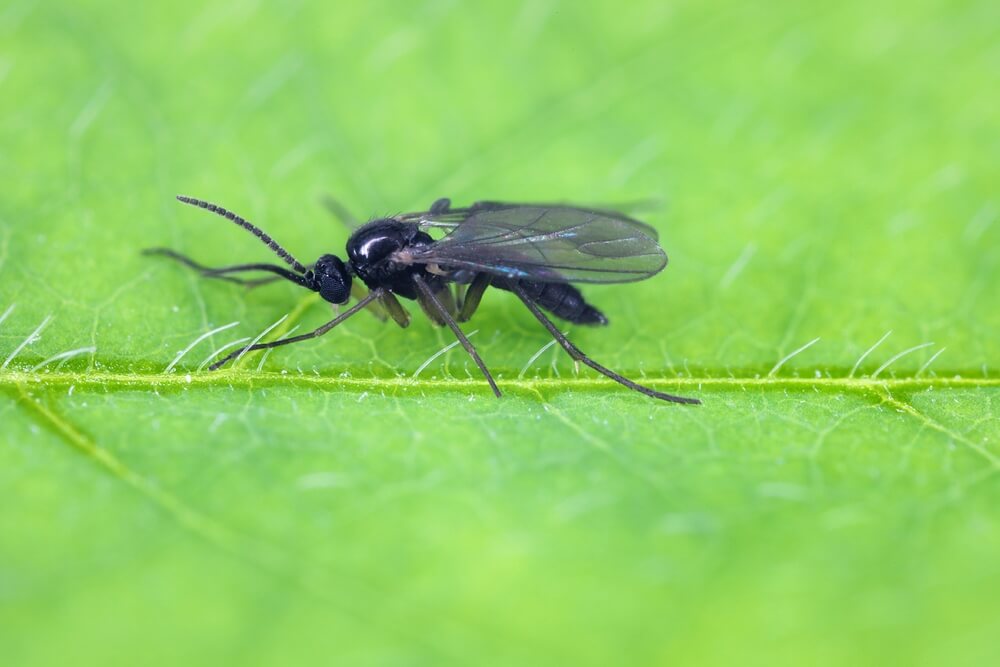
What are Fungus gnats? Fungus gnats or sciaridae flies (sciaridae), are small flying insects of the Diptera order with a size between 3 and 5mm. These small, dark-coloured flies usually appear on the lower parts of the plants and in the substrate. They feed on molasses, sugars, and decomposing organic material. Their favorite environmental conditions are low light intensity and high humidity, as well as warm temperatures; thus, they are common guests in greenhouses and indoor crops. Hydroponic systems are especially sensitive to this pest, although organic substrates with excess moisture are also an excellent habitat for these insects. There currently are about 1.700 species of sciarid flies known. Still, it’s estimated that the total number of species in this family can reach around 20.000 (located mostly in the tropics), 600 of them established in Europe. Their body and wings are dark and elongated, and in many species the females are wingless.

Alternaria in the cannabis crop

What is Alternaria? Alternaria is a genus of ascomycete fungi. Alternaria species are known to be major plant pathogens, responsible for at least 20% of all agricultural spoilage, and are common allergens in humans, associated with hay fever, asthma, skin problems and are a cause of opportunistic infections in immunocompromised people.

Fusarium and cannabis plants

What is Fusarium? Fusarium is, in fact, the name of a genus of filamentous fungi that live in the soil in association with plants, including cannabis. Most species are saprophytes, i.e. they feed on the debris of other organisms. Thus, Fusariosis is the name given to the disease caused in plants by certain species of Fusarium fungi (phytopathogens), which in this case develop as parasites. They form an important contaminating agent in laboratories, and some Fusarium species attack cereals and produce mycotoxins which can affect humans and produce diseases like fungal keratitis, onychomycosis Panama disease, also several types of skin infections. The Soviets have been accused of using Fusarium as a biological weapon in Laos, Cambodia, and Afghanistan, while in the United States, it was proposed as a weapon to eradicate coca plantations in Colombia.

Root rot on cannabis plants

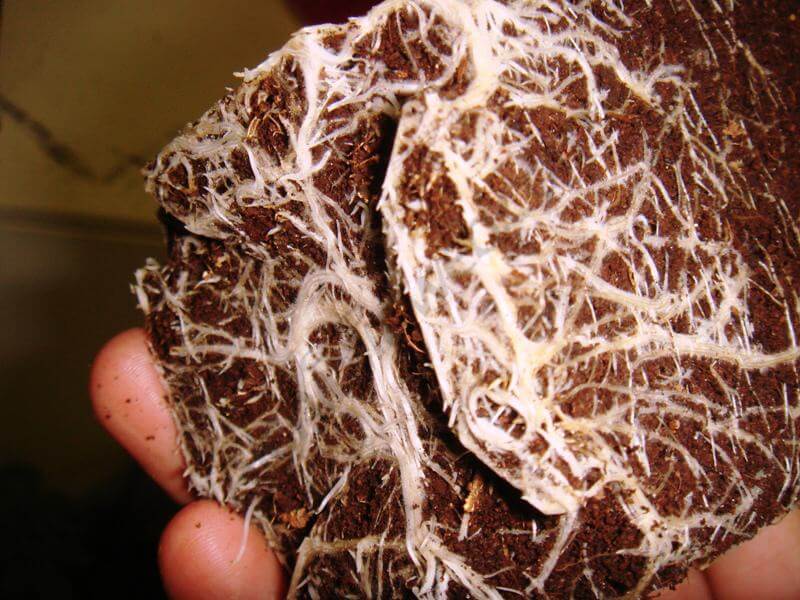
In this article we tell you about root rot, a disease caused by different root fungi that attacks a large number of plants, causing severe damages in numerous crops. Although it’s almost impossible to treat, we can prevent its appearance by following a few simple steps, which of course we share with you!

2 Indoor cannabis growing

Controlled water stress in cannabis: a technique to increase resin

In cannabis cultivation, achieving truly exceptional harvests doesn’t depend only on large buds or high THC percentages. True quality comes from understanding how the plant responds to its environment and applying techniques that enhance its natural physiology. Among these practices, one stands out for its simplicity and effectiveness: controlled water stress. Far from being a trend, it is a science-backed strategy that allows growers to increase resin production, intensify aromas and enhance the metabolite profile without adding extra products or complicating the grow. In this article, we explore what it is, how it works and how to apply it correctly to take your flowers to the next level.

10 easy-to-avoid errors in your first indoor grow

More and more cannabis users are choosing to grow their own flowers because resorting to the black market is usually neither the most convenient nor the cheapest option. For this reason, every day more recreational and therapeutic consumers are taking the step into cannabis home growing so they can be self-sufficient and not have to rely on third parties. However, starting indoors can be tricky if you don't know where to begin, so in this post, we're going to focus on the most common mistakes made by new growers when they first get into the exciting world of cannabis cultivation. Let's go!

Indoor cultivation during summer

Summer is already here, and we're sure that many of you already have a beautiful outdoor garden with plants in full growth. Perhaps you started growing from seeds, or maybe you keep mother plants and moved some clones outside in the last few weeks. Still, outdoor cannabis cultivation in summer is usually relatively simple, as the weather is good and the plants develop splendidly as long as they have the correct nutrients and irrigation they need. However, and those of you who keep mother plants indoors while you move clones outside, you will know this well, growing indoors in summer can be a real nightmare! This is mainly due to the elevated temperatures that indoor grow rooms and tents can reach, which can not only get so high as to be incompatible with proper plant growth but can also increase pest pressure and other problems. Today, we'd like to tell you a few tricks that will allow your indoor mother plants to spend the summer in comfort and be ready to provide all the clones you need once the indoor growing season begins.

AC Infinity: Automate your crop's climate

If you've ever dreamed of an indoor grow that manages itself—no cables, no nasty surprises, and no spending half your life adjusting fans—the solution has a name: AC Infinity. With its Controller 69 PRO and the Cloudline PRO T4 extractor, the American climate control brand puts smart technology in your hands that automates the climate in your room or grow closet with both elegance and efficiency. Because growing indoors doesn't have to be complicated. All it takes is the right equipment to make it a much simpler and more manageable activity. Today, we're introducing you to these two magnificent devices, which, as you'll see, will make your life much easier.

Why grow cannabis indoors? The biggest advantages of this method

We know. There's nothing like watching your plants grow in the sun, with the breeze caressing their leaves and that wild aroma that makes you feel part of nature. Yes, we admit it, outdoor growing would be like a hippie-country dream come true. But between treacherous storms, nosy neighbors, pests, and harvests that seem straight out of Russian roulette... maybe it's time for you to discover another growing method that, we assure you, can bring you great joy: indoor growing. And no, we're not saying you should give up on your outdoor adventures. On the contrary. Today, we want to suggest something even better: complement them.  Because growing indoors isn't just an alternative. It's, with the sun's permission, the smartest way to ensure your harvests and achieve high-quality buds all year round. We'll explain it in detail below.

Growing cannabis cuttings

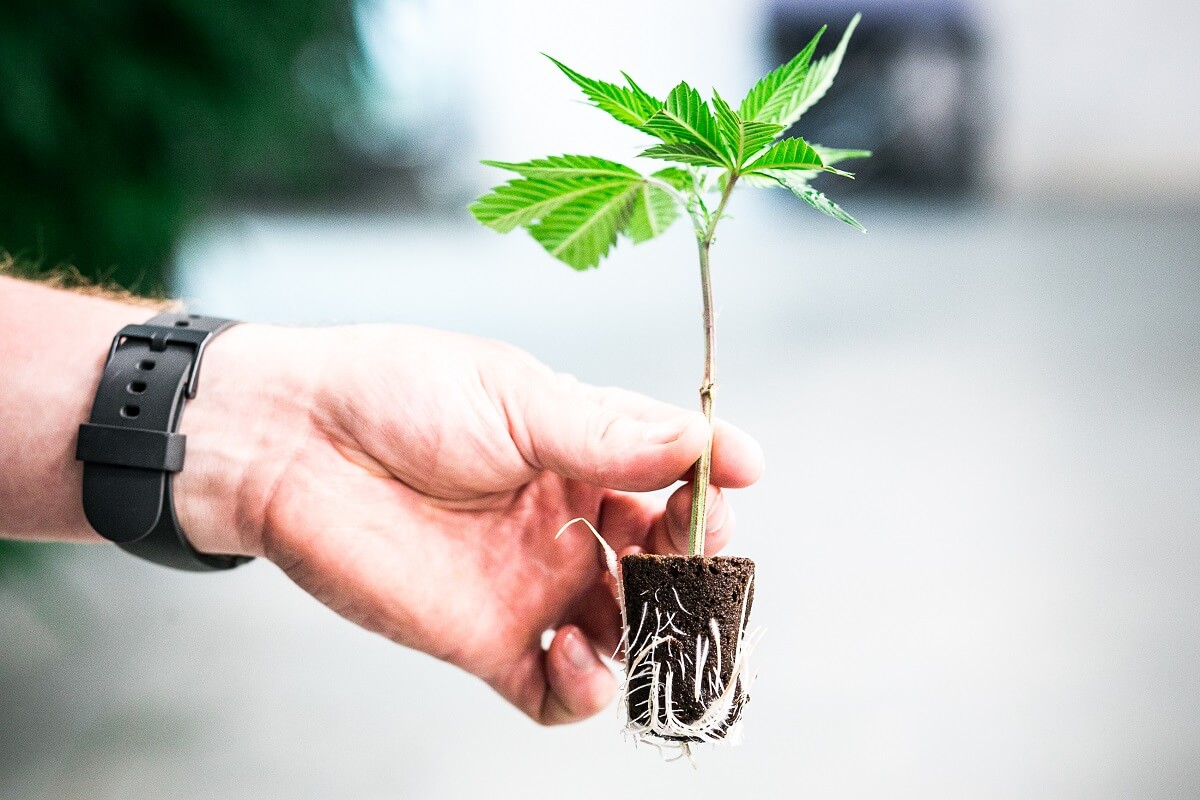
Propagation of cannabis by cuttings Marijuana or Cannabis Sativa is a perfect species for asexual propagation (i.e. propagation via cuttings). To clone your favorite cannabis plant you need the following basic material: A small propagator (heated, if possible) Sterilized scissors for cloning, properly sharpened (shaving razors or surgical knives/scalpels can also be used) Rooting hormones, like ClonFix or Clonex Substrate for the cuttings (jiffy peat moss pellets, rock wool, soil...) A small source of white/blue light (fluorescent type, LED...) And, of course, a mother plant from which you will take the cuttings The temperature must be between 18°C and 22°C and the relative humidity must be above 90% for the cuttings to root, what can be easily achieved if heated mini-greenhouses are used.

Common mistakes when growing with LEDs

Growing cannabis indoors has become an increasingly popular practice, and the use of LED lamps has revolutionized the way many growers carry out their projects. However, if you are thinking about an early retirement for your HPS equipment and take the leap to this type of lighting, or have already done so, it is important that you know the most common mistakes that can affect the performance of your crop. There are a number of factors that you should take into account when using this type of grow lamps, small details that may not seem important to you but that will make the difference between a successful harvest and a disappointing one. Today we invite you to discover them and get the most out of your brand new LED panel. Let's go!

Growing marijuana in grow tents

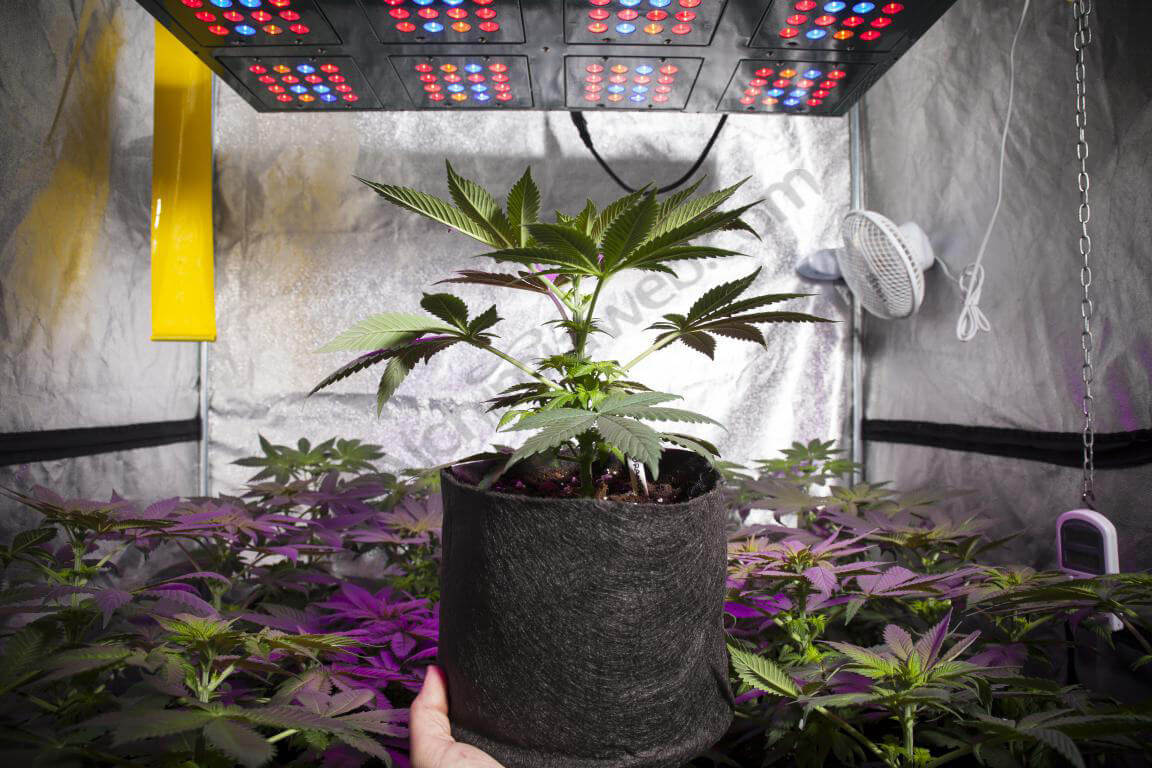
How to grow marijuana indoors in a growing tent In this article we're going to explain some basics about indoor cannabis cultivation in grow tents, one of the most popular options among those who just want to grow some pot at home for their personal use. Being highly versatile thanks to the wide range of available dimensions, you only need to keep several factors in mind to successfully harvest your own buds.

The growth stage in Cannabis: A complete guide

Growing cannabis is a fascinating process that encompasses several stages, each with specific characteristics and care. Among these, the vegetative phase or growth stage stands out as an essential period in which the plant builds the foundations for abundant and healthy flowering. It is in this phase that cannabis develops its main structure, grows in size, strengthens its root system, and accumulates the energy necessary to produce the dense and resinous flowers that we like so much. Throughout the history of cannabis cultivation, indoor and outdoor, growers have perfected their techniques to maximize the potential of plants during this stage. The goal is always the same: to obtain strong, healthy plants ready to give their all during the flowering stage, thus maximizing the quality and quantity of the buds obtained at harvest. From fertilizers to the hours of light needed, today we tell you all the secrets about this crucial phase so that you can prepare your plants to give their best.

How to improve the production of cannabis trichomes

As most of you already know, cannabis resin is in fact an accumulation of trichomes secreted by the plant, which contains the highly regarded cannabinoids and terpenes that give marijuana its particular and unique aromas, flavours, and effects. Coinciding with the steady increase in popularity of extractions and concentrates in recent years, the resin production of a particular strain or plant is a trait that is becoming more valued by growers and extract producers who refuse to invest time and effort in the cultivation of plants with a small amount of trichomes. Of course, this interesting trait has a lot to do with the plant's genetics. Parental crosses that produce a large amount of resin have a much higher probability that their offspring also stand out in this department, so more and more breeders are now using the most resinous strains available in their projects. Nevertheless, and regardless of the resin production "dictated" by the genetics of each strain, you, as a grower, can use several tricks that will make your plants produce more trichomes, which ultimately will mean better buds with a more intense aroma and a more powerful effect. Below, we explain some of these tricks, as well as others that can help you to increase your production of cannabinoids and terpenes.

How to keep cannabis mother plants

It has happened to all of us at some time when we planted some seeds and we get unrepeatable marijuana, a specimen that stands out above any other that we have previously cultivated and that we would like to be able to maintain in some way and cultivate again in the future. In addition to obvious savings in seeds, cultivating clones or cuttings gives us the opportunity to always enjoy the same flavor and identical effect, since we will always be working with the same genetics. In this article, we will tell you how to maintain mother plants to have a safe and reliable supply of clones.

How to choose your LED cannabis grow lamp

What is the best LED panel for growing cannabis? Without a doubt, in recent years this has been one of the most frequently asked questions in grow shops, fairs, social networks, and internet forums. Choosing an LED grow light can be a daunting task for the uninitiated, especially when looking to acquire home-growing equipment with a good quality-price ratio that meets your expectations. So, especially when it comes to our first experience with this technology, a lot of doubts may appear, since there are dozens of alternatives on the market, with all kinds of prices and features. Which LED model should you choose? Which one is the most efficient or the one that will give you the best results in your growing space? In the following post, we will make a brief and simple guide on the characteristics to pay special attention to in order not to fail with your choice.

Lollipopping: What it is and how to apply this technique

Cannabis growers have been using all kinds of pruning, bending, or guiding techniques for their plants for decades with a single objective: to improve their performance by taking their installation to a higher level, with more abundant harvests and, therefore, better use of their lighting systems, fertilizers...in short, of their entire indoor setup. Well, today we present one of these techniques, known as Lollipopping or Lollipop pruning, although we already advanced it; What is hidden under this curious name is a cultivation technique that you may have been applying to your plants for years but calling it something else...

How to store cannabis seeds

Storing cannabis seeds Since they are living organisms, cannabis seeds must be stored under certain temperature and humidity conditions, otherwise they gradually lose their germination potential, what may cause the germination process to take up to 6-7 days. In worst cases, seeds don't even germinate, when they should have done it within the first 48-72 hours since we started the germination process.

How to water marijuana plants in soil

It is common to find beginner growers wondering what is the best way to water their plants during pot growing in soil, even in coco coir. Cannabis is a plant that needs a lot of water but also tolerates excess watering very poorly, which is why it is very easy to make mistakes. By following these simple irrigation tips that we bring you today, you will obtain optimal results throughout your crop, and your plants will reward you with a generous harvest of wonderful flowers.

Darkness at the end of bloom: myth or science?

Today we want to talk to you about a technique that is gaining followers and detractors in equal measure among cultivation experts: depriving plants of light during the last days of flowering. Although it may sound strange, many believe that this method can significantly improve the quality of the buds, enhancing their aroma, flavor, and potency. But...how is that possible? Don't plants need light for their most basic vital functions? In this article, we will break down this practice in detail, explaining how it works, why it can be effective, and how you can implement it in your own grow for the best results. Of course, we will also see arguments for and against its application.

How to germinate cannabis seeds in hydroponic and aeroponic systems

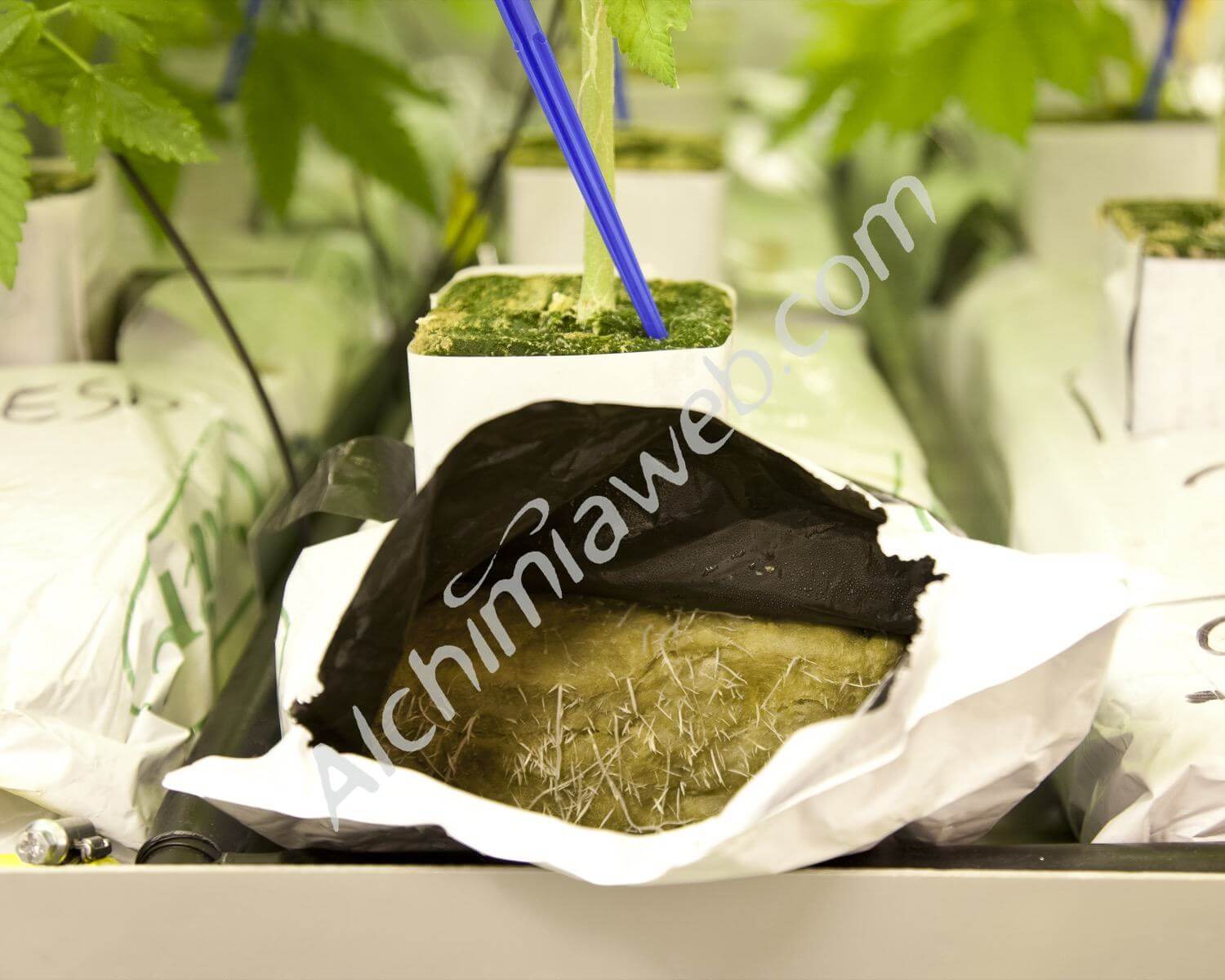
The germination of cannabis seeds for hydroponic and aeroponic systems has some peculiarities that must be taken into account. The most important thing will be to carry out the germination process in some inert substrate, preferably in blocks of rockwool or some similar material that cannot release residues. We must bear in mind that when we want to grow hydro/aero from seeds, germination in soil, jiffy pellets, or coco coir is totally inadvisable since we will fill the system with particles that can easily clog the drippers of the system. For this reason, the cleanest and most advisable thing to do is to germinate or transplant our seeds or cuttings directly into a hydro system or start them in rock wool. They should never be germinated in soil, since organic matter, being in direct and continuous contact with humidity, would cause diseases of cryptogamic origin such as botrytis, which may cause rotting of the roots and the base of the stem of small seedlings.

Emerson effect, red light and cannabis

In cannabis cultivation, every detail counts when it comes to maximizing plant health and performance. If you are a regular reader of our Blog you will have seen how we have discussed the topic of ultraviolet (UV) light several times; Well, today we want to explain to you a less-known but equally important aspect when using red light lamps, the Emerson effect, a fascinating interaction between light and plants that has been gaining attention in recent years due to its impact on growth. , flowering, and the production of cannabinoids and terpenes in cannabis plants. In this article, we will explore in depth the Emerson effect and how it can influence the development of cannabis plants, offering new perspectives for growers in search of better results. If you want to maximize the yield of your crops and enhance the development of your plants to the maximum, keep reading!

Cannabis crops gone wrong

Welcome to the dark side of cannabis cultivation! In this "journey of horrors" that we propose to you in today's article we are going to explore some of the mistakes or problems that have led some growers to experience cannabis crops that could be called, so to speak, less than ideal. From experiments with fertilizers to disasters of epic proportions in the grow room or outdoors, today we will look at several examples of true, sometimes even baffling, nonsense from the world of cannabis cultivation. Get ready to laugh, learn, and perhaps feel a little empathy for those who have faced the vicissitudes of growing our beloved plant!

Indoor cultivation and waste, a problem to face

Let's be honest; Growing cannabis indoors is not exactly an environmentally friendly activity, especially when in many cases (if legality allowed it), the plants could be grown in sunlight without any problem. Both the type of cultivation, the practices during it, and the management of the waste generated should be something taken into consideration by the grower since we believe that the fact of generating waste should be understood as a responsibility and not a right. As you surely know if you follow us, at Alchimia we advocate home-growing, as we believe that it is a right and the best possible solution for the consumer. However, we also understand that it is an activity that must be accompanied by good practices to generate the minimum possible pollution and waste, like any other daily action. Today we invite you to reflect on this question and see what you can do so that your indoor grow causes the minimum possible impact on your environment.

3 Outdoor cannabis growing

When to germinate cannabis seeds: May or June?

Every year, when June arrives, thousands of growers think exactly the same thing: "it's already too late to start an outdoor crop". For decades, the idea has been repeated that cannabis seeds must necessarily be germinated between February and April to obtain good results, as if the season ended at the start of summer. However, the reality of outdoor growing is very different. Today's genetics, especially many vigorous sativas and hybrids, along with latest-generation autoflowering varieties, have completely changed the way we understand growing calendars. Today we know that a late germination is not only perfectly viable, but in many cases can offer more balanced plants, simpler crops and excellent harvests.

Outdoor marijuana growing for maximum yield

The outdoor marijuana cultivation is undoubtedly the most common approach in countries that enjoy a suitable climate for growing it. Many consumers rely on a good outdoor grow to keep their stash full of buds throughout the year, becoming fully self-sufficient growers. This post will focus on improving plant yields in outdoor cultivation. It can sometimes be tricky to get more out of your plants, but there are always tips and tricks that help us reach this goal: maximising outdoor production.

How to prepare your outdoor cannabis crop

Growing cannabis outdoors offers an enriching experience for gardening enthusiasts and cannabis lovers. They have the opportunity to provide themselves with top-quality flowers and the personal satisfaction that this entails. In addition to being a more economical and sustainable option than growing indoors, the natural environment can enhance the characteristics of the plants, such as their terpene profile. However, the crop's success depends on multiple factors that you should not take lightly if you want to harvest your plants without any problems. Below, we will explore the most relevant aspects you should consider when preparing your outdoor cannabis crop, from the location of the plants to training techniques or irrigation systems. The best way to ensure a successful crop is to start on the right foot and without making mistakes!

Growing cannabis on terraces

The terraces and balconies of our homes are versatile spaces that offer unexplored potential for lovers of cannabis cultivation. In this article, we will explore how to take advantage of these outdoor areas to grow your own cannabis plant discreetly and efficiently. From choosing the right strains to care tips and other considerations, we'll guide you through the essential steps to turning your outdoor space into a successful, personal cannabis garden. Discover how to bring cannabis cultivation to life on your terrace or balcony and enjoy the satisfaction of harvesting your own flowers at home.

Outdoor cannabis harvest

Harvesting cannabis outdoors is a very exciting time, the climax in the life cycle of these aromatic plants. For months, you have been carefully tending your crop, watching the plants grow in the sun and rain, and now, finally, the time has come to reap the fruits of your hard work. In this article we want to help you harvest outdoor cannabis, exploring the best practices, essential tools, and some other tips to carry out a successful harvest and obtain high-quality flowers. From the ideal time to harvest to drying and curing methods, we will tell you what you should do to ensure your buds and enjoy them in the best way possible. Get ready to learn how to maximize your harvest and enjoy the fruits of your labor!

Outdoor cannabis and heat waves

Growing cannabis outdoors is not only a highly rewarding experience that brings many joys, but it also offers numerous advantages, such as harnessing natural sunlight and promoting vigorous growth in a free, natural environment. However, as summer progresses and heat waves become increasingly intense, a phenomenon we are unfortunately becoming more accustomed to, this project can quickly turn into a real challenge. High temperatures can not only slow your plants? growth but also lead to heat stress, dehydration, and, in extreme cases, serious cultivation damage. Keeping your plants healthy in such conditions requires careful planning and the application of specific techniques to help them withstand the scorching heat. But don?t worry in this article, we will guide you through a series of strategies and tips to protect your cultivation from the heat during those days of intense heat, ensuring that your plants not only survive the high temperatures but continue to thrive with strength and vitality. Get ready to learn how to turn the challenge of heat into an opportunity to optimise your outdoor cultivation!

How to germinate cannabis seeds

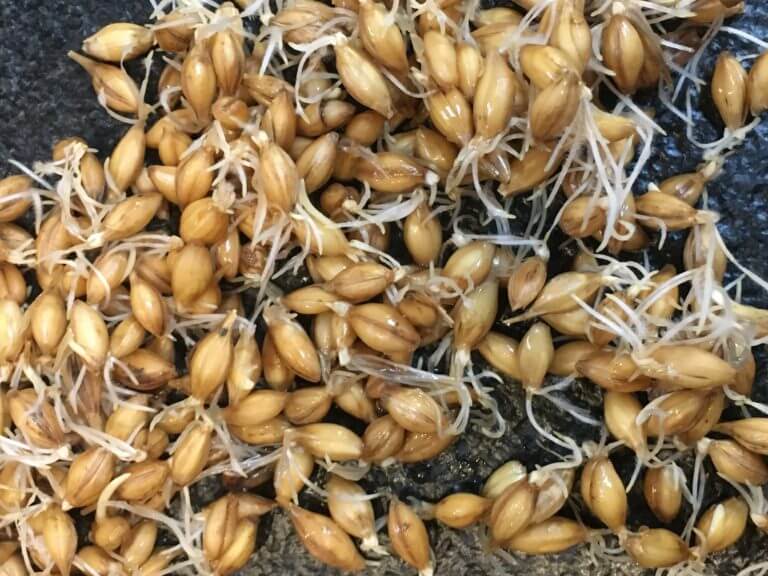
At Alchimia Grow Shop we try to maintain an extensive and complete catalog of seeds, always keeping stocks as fresh as possible to thus achieve the best germination percentages. To do this, we renew our stock and we do not let any packet of seeds stay in our refrigerators for more than six months, which allows us to assure you that our seed packets never reach six months of storage. Of course, inside the refrigerators, there is a controlled atmosphere (low temperature and ambient humidity). Even so, from time to time, germination problems can appear, sometimes caused by problems such as harvesting the seeds too early, but many others due to mistakes made during the germination process. In this article we show you how to germinate cannabis seeds in 4 different ways, also seeing the effectiveness of each of the 4 methods.

How and when to move indoor cannabis plants outside

Today we are going to tell you what you should do if you want to grow your indoor plants outdoors and when you should do it, because as you will see, it is a cultivation system that can bring you a good number of advantages when it comes to supplying yourself with quality flowers for the whole year. We explain everything in this article step by step!

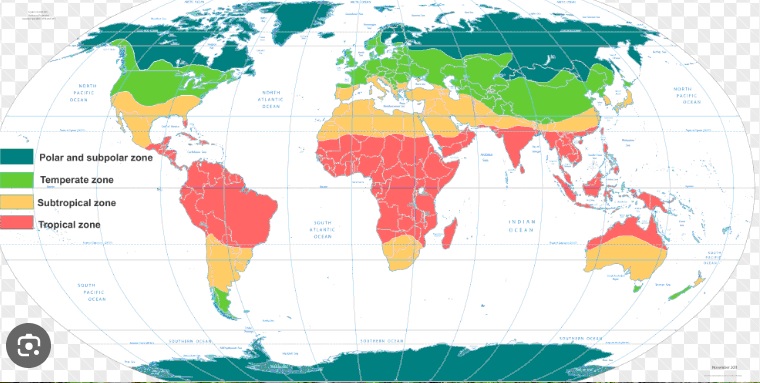
Cannabis growing methods in the tropics

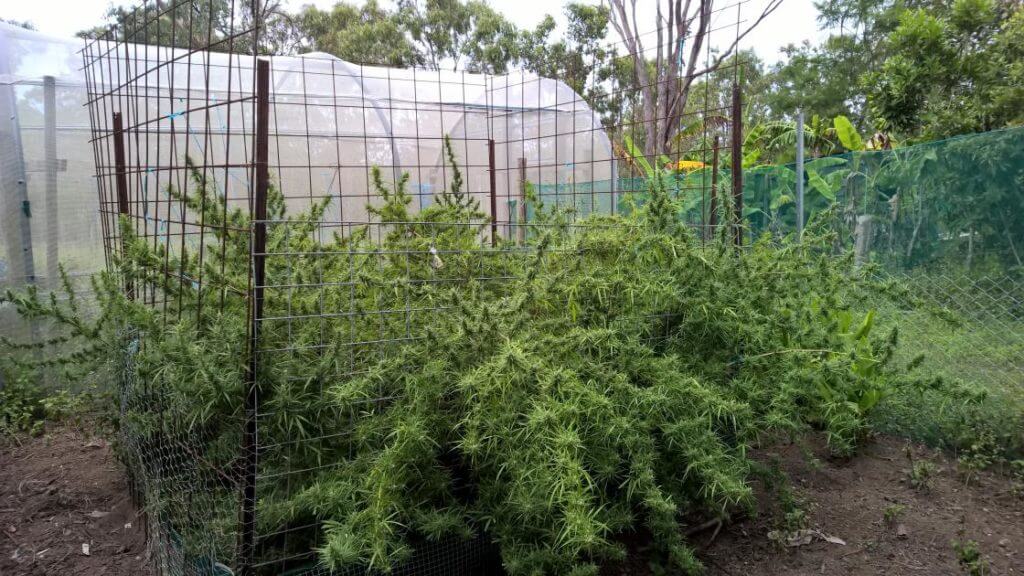
Currently, the Internet is flooded with guides and tutorials for growing cannabis. Indoor, outdoor, hydroponic, best substrates, fertilizers, etc. The vast majority of guidelines apply to countries in the northern or southern hemisphere with temperate, continental, or Mediterranean climates, which experience all four seasons of the year. However, many growers live near the equator and these techniques and tips must be "adapted" for these tropical regions. In this article, we will analyze the tropical conditions and the most effective cultivation techniques best adapted to these latitudes.

Prepare your outdoor cannabis plants for flowering

The days are slowly starting to get shorter, and Nature is giving us an unmistakable sign that the flowering phase for outdoor cannabis plants is just around the corner. This important period marks the culmination of all the effort and care you've put into your plants, and it's crucial to make sure they're in the optimal conditions to flower in all their splendor and reward you with an extraordinary crop of top-notch buds. In this article, we want to guide you through the essential steps you must follow to maximize the production of lush and resinous flowers while minimizing potential problems, such as the appearance of fungi and pests. Whether you are an experienced grower or you are taking your first steps in the world of cannabis, with this guide we want to provide you with the necessary knowledge to lead your outdoor plants towards successful and abundant flowering. It's time to take your plants to the next level and unlock their full potential during the flowering phase!

Growing outdoors for beginners: 10 tricks to start off on the right foot

So you've decided to grow your own cannabis plants outdoors but you have no idea where to start... it's true that on the web (also in written publications) you have all the information you need, but we understand that sometimes it is hard to start looking for information on the different aspects of the crop, and you may end up with even more doubts. For this reason, today we have prepared a guide with 10 key points that you must take into account so that your next outdoor crop goes smoothly and you can enjoy a generous and aromatic harvest of flowers in a few months. Of course, we could talk about micro siemens per square centimeter or the reproductive cycle of the aphid, but that is not our intention, but to make things easier for you and prevent you from making mistakes that could ruin your crop. If you follow these tips and have some luck (factors like weather or pests are not always controllable), you shouldn't have any problems in this new adventure. Let's go!

Bud-washing: Why and how to do it

Growing cannabis outdoors has many positive aspects, not least of which is the powerful full-spectrum illumination that doesn't cost a penny, as well as fewer restrictions on plant size, meaning bigger harvests. There is, however, a less positive side that is inherent to outdoor cultivation, the things growers cannot control such as inclement weather and exposure to a wide range of pests and pathogens that can, for the most part, be avoided entirely by indoor growers. This means that, despite the best efforts of growers to control insects and parasitic fungi, over the course of the flowering period, outdoor cannabis flowers can accumulate a surprising and quite unnerving collection of dirt and debris, which compromises the quality of the finished product. In this post, we'll show you how you can wash your freshly-harvested buds to remove these contaminants and enjoy cleaner, healthier and more flavourful cannabis flowers.

How to protect guerilla cannabis plants from wild animals

Guerrilla cannabis growers are beset with challenges on all sides. If it's not the worry of somebody discovering their secret grow plot, then it's the danger of losing the crop to any of the various pests and pathogens that every cannabis grower must deal with, but often with the added complication of difficult access and infrequent visits to care for the plants. As well as this, guerilla cannabis plants are vulnerable to the actions of various wild animal pests which can ruin a crop very quickly, either by eating it, digging it up or trampling all over the plants. In this article, we will look at some techniques to keep your cannabis plants safe from these beasts. In our previous blog articles, we've already dealt with the principal diseases and pests that attack cannabis plants, as well as outlining the basics of setting up a guerrilla cannabis grow. In this new post, we will help you to protect your precious plants from the various wild and domesticated animals that seem intent on undoing the grower's hard work. These animal pests are varied and can include (but are not restricted to) small mice and rats which will eat germinating seeds and chew the plants' stalks, moles and voles which tunnel around the roots and damage them, rabbits and hares which eat the tender leaves and stems, foxes, dogs and cats which will dig around the plants and use them as a toilet, wild boar which dig up, trample and eat plants, and finally, goats and deer, which, if hungry, can quickly devastate your crop.

Outdoor cannabis harvest: tips and tricks

As many of you know, cannabis legalization in numerous countries has led to an increasing interest in home growing from many users who, in other circumstances, would have been forced to resort to the black market. Thanks to this, marijuana cultivation has gained numerous followers in recent years, as currently many people grow a few plants in their balconies, patios, or gardens, to stock up on some quality buds. However, the effort made during half a year (or longer in some cases) can be ruined if you don't take into account a series of parameters when harvesting your cannabis plants. Today, we are showing you a few tricks to bear in mind to ensure you'll get high-quality buds. Nobody likes to see how the flowers they have been taking care of for months get covered in fungi due to an error!

Overwatering cannabis plants

Water is essential to life; without water, nothing thrives, but like everything else, too much of a good thing can be harmful. Today we?re going to explain how overwatering affects cannabis plants during their life and different stages.

Tips for growing autoflowering cannabis plants

These days, autoflowering cannabis seeds are highly sought-after because they're easy to grow and allow the grower to obtain several harvests in less than 2-3 months. This type of strains can be grown in small terraces or balconies, as they tend to produce small plants of no more than 1m in height, provided they are grown in pots. When cultivated on soil, autos can easily grow higher than 100cm, and produce more bountiful harvests than in pots.

Cannabis and allelopathy

Allelopathy is a naturally occurring phenomenon by which certain biochemical compounds produced by an organism have a direct impact on the growth or development of other organisms. The action of these compounds can be either positive, promoting the development of other organisms (positive allelopathy) or negative, causing a series of harmful effects on some (or all) of the organisms that are nearby (negative allelopathy). The biochemical substances equipped with these properties are known as allelochemicals. As many of you know, these properties have been studied in botany and agriculture for decades for different purposes. Thanks to this feature, certain plants can be used to inhibit the growth of other plant species and the reproduction of insects that could result in a plague, significantly reducing the use of insecticides. This is probably the most common and widespread use among farmers all over the world. Nevertheless, there are other lesser-known but very interesting interactions, like the fact that certain plants promote the production of terpenes in nearby plants... something that could be very appealing for the cannabis grower!

How to prevent the death of cannabis seeds and seedlings

Causes of death in cannabis plants Every grower, almost without exception, will have occasionally suffered the death of a plant during cultivation, just when it seemed that everything was going along nicely. In this article, we'll focus on the main reasons why seeds may not germinate properly, or why seedlings may end up dead in the first weeks of life. Seeds dying before germination Cannabis seeds can die even before we start to grow them, in which case, when the grower comes to germinate them, they won't open up and sprout at all. The seeds of the cannabis plant, like many other types of seeds, must always be kept in the correct conditions, especially if you want to save the leftover seeds for later use and ensure that they germinate well in the future. The same goes for unopened whole packs of seeds that have been purchased to store for later use. Sometimes, certain varieties are in high demand and there is limited stock, so the more astute growers will make sure they grab a few packs to keep in the vault until they find the time to germinate the cannabis seeds.

Common errors in the cultivation of automatic plants

Spring is getting closer, and with it, the ideal conditions for cannabis cultivation, which is why many growers are already starting to plan their outdoor grow for the season ahead, while others are planning a last indoor crop before the dreaded summer heat arrives. It's no secret that auto-flowering cannabis seeds (also known as automatics) represent a considerable part of the varieties that can currently be found in the market, with sales increasing year upon year, thanks in large part to the excellent work done by breeders and seed banks. Whether you grow outdoors or indoors, in this article we're going to show you a series of tips and tricks towards successful autoflower cultivation, highlighting the typical mistakes that are usually made when growing this type of genetics and proposing alternatives that will make your grow much more efficient, with greater yields and higher quality of the final product.

Pruning Cannabis Plants

In this series of posts, we're taking a comprehensive look at a range of techniques used by growers to shape cannabis plants and facilitate cultivation. Pruning and training are essential tools to control the way our plants grow, whether to restrict height, maximize yields or as a management tool for the indoor cultivator trying to control multiple varieties in one grow space. When discussing these techniques, we can essentially split them into two basic types of methods: Destructive pruning methods that affect some kind of damage to the plant, like pinching out, FIM, super-cropping, etc. Non-destructive training techniques designed to minimize damage, such as LST (Low-Stress Training), SCROG, etc.

4 Cannabis grow reports

How to grow cannabis plants in coco coir

Coco coir as substrate for plants In this post we'll explain how to properly use coco coir as a substrate for our cannabis plants. After years of experience with this growing medium, we believe that coco coir is the easiest choice among hydroponic substrates. To get the most out of it, first of all we should take a closer look at its composition and properties.

Growing automatic cannabis plants outdoors in Smartpots

Equipment, genetics and fertilisers employed The following article details a grow report of autoflowering cannabis strains cultivated outdoors, mostly using Smart Pots. The purpose of this report is to examine their performance when used to grow auto-flowering varieties and note their suitability to the particular demands of this type of cultivation. Smart Pots encourage vigorous root development that in consequence tends to lead to bigger plants and more abundant harvests. We grew two plants of each of 2 different varieties in order to be able to perform a comparative test. The idea was to cultivate one plant of each variety in Smart Pots of 18 litres, which would be the "main subjects," and then two more, one of each variety, in a smart pot of 12 litres and a circular rigid white plastic pot of 11 litres. So, we will be able to make a comparison between the different automatic seeds we have grown and how they perform in the different containers.

Growing marijuana with Metrop nutrients

We present you here Metrop nutrients, a complete range of highly concentrated fertilizers for plants that provide excellent results when used with cannabis. We tell you how to use them to get the amazing results that you'll see in this article.

Growing regular cannabis seeds indoors

Growing regular marijuana seeds is easy Contrary to popular belief, growing regular marijuana seeds (in which we find male and female plants) isn?t more difficult than growing feminized seeds. They are accessible for everyone, also for beginners. Until early 2000, everybody learned to grow marijuana using regular seeds and the selection of female and male plants was just another step of the grow, something fast and simple to realize, such as the germination process or switching the photoperiod.

5 Harvesting and Processing

Water Curing: the secret to ultra-smooth smoke

After harvest, most cannabis growers focus on traditional drying and curing in jars. However, there is a lesser-known but highly effective method to obtain a purer and smoother smoke: water curing. This refinement process consists of submerging already trimmed buds in clean water for several days, changing the water daily. In this way, most soluble impurities (chlorophyll, sugars, mineral salts, nutrient residues) responsible for harsh combustion are removed. The result: a smoother herb to smoke, less irritating to the throat and lungs, while preserving all cannabinoids.

The best cannabis trimming machines

As every grower knows, the most time-consuming and labour-intensive part of the cannabis cultivation process is trimming the harvested buds. While a few small plants can be trimmed by hand with scissors in a reasonably short time, larger plants or greater numbers can be a gargantuan task and often call for the use of some kind of trimming machine if the harvest is to be carried out within the optimum time period. Here at Alchimia Grow Shop, we understand this need and, as a result, we take care to offer a wide range of trimming machines to suit all situations and budgets. From the most basic, hand-operated manual trimmer to the most futuristic and high-specification machines, we've got something for everyone. In this article, we'll take a look at the different options available and help to make it easier for you to decide which is the right trimmer for you.

When to harvest marijuana plants according to trichome ripeness

You have worked hard over the past weeks! Maybe you have spent some money in a growing tent or in cannabis seeds;  after a long time and hard dedication, you have finally arrived at this crucial moment. Today we want to help you determine the ideal time to harvest your plants, taking as a reference the degree of maturation of the glandular trichomes of your plants. In other words, we will tell you when these trichomes are full of cannabinoids and terpenes, that is, what is the perfect time to harvest your plants and begin the drying process.

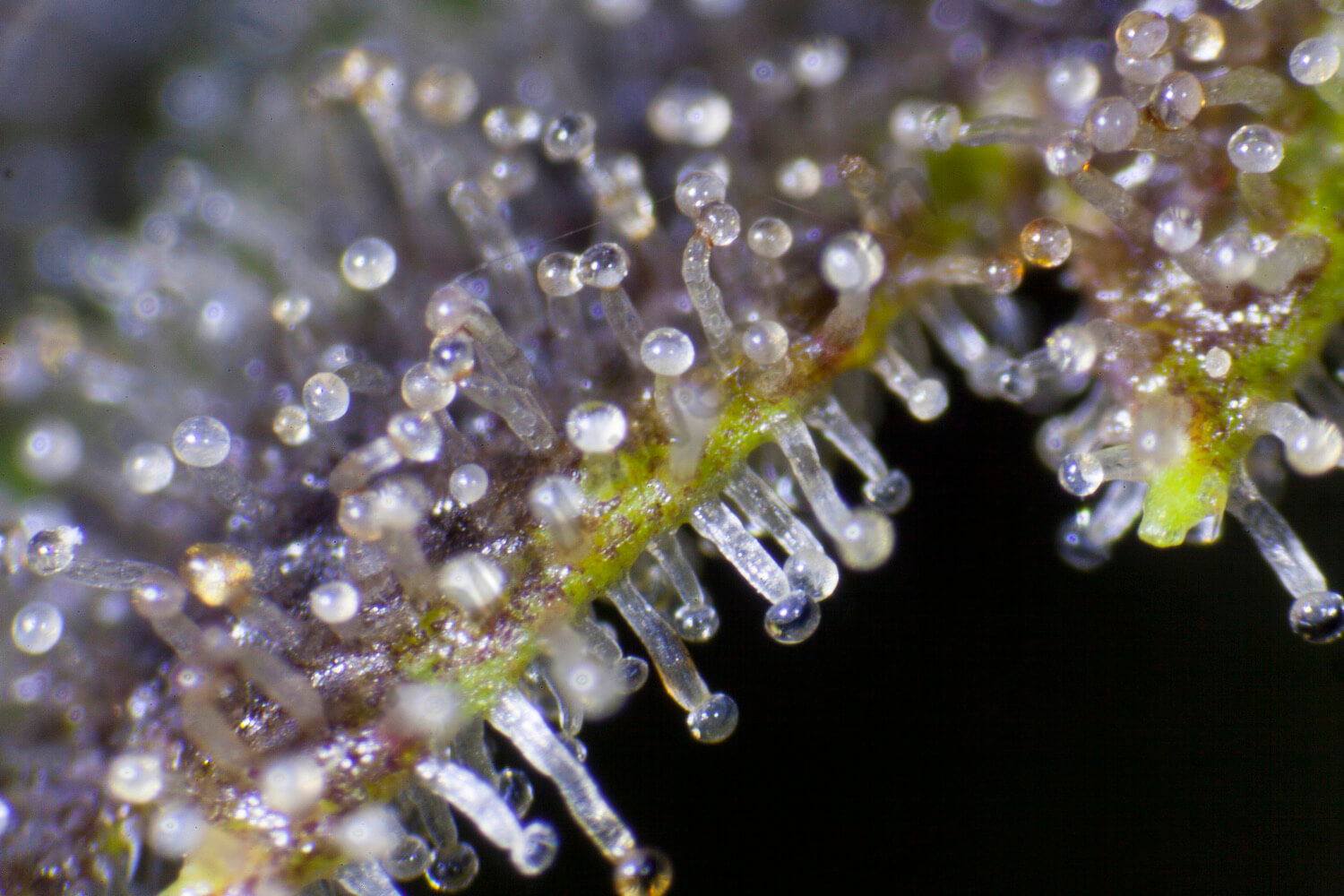
Cannabis trichomes explained

All indoor or outdoor cannabis crops have a beginning and an end, in this case, we will deal with the last part of the crop, the harvest of the trichomes. The time of the harvest will be based on the visualization of the state of the trichomes together with the knowledge we may have of the cultivated plant, either through information provided by the same seed bank that created it or by growers who may have grown it before. In the past, marijuana plants were harvested when the grower believed they were ready. To have this knowledge about the best time to harvest trichomes required a great deal of experience in cannabis cultivation, which often meant that one ended up harvesting either immature or overripe cannabis.

When to harvest cannabis plants?

The cannabis harvest is one of the most anticipated and rewarding moments for growers of this plant, the culmination of months of dedication, care, and patience, which culminates in the harvesting of the fruits of hard work. In this process, growers have the opportunity to harvest and enjoy a preview of the aromatic terpene combinations that await them. In this article, we will focus on the cannabis harvesting process, from pre-preparation to the different possible methods to establish the perfect moment to cut your plants and obtain a superior quality harvest. Join us and discover the secrets to obtaining the best results from your own cultivation!

Freezing cannabis: why and how to do it?

If you have ever made a cannabis resin concentrate or have learned something about how to do it, you will know that one of the steps to follow to obtain a top-quality product is to freeze the plant matter before starting the extraction process. This simple step allows the trichomes to detach much more easily from leaves and flowers, thus achieving excellent yield and superior quality. However, as we will see in today's article, there may be other reasons why one wants to freeze his weed, especially if we are talking about maintaining the effect and organoleptic qualities of the plant during a prolonged storage period. Today we tell you everything you need to know about this practice, in which cases we advise you to carry it out and how to do it correctly to avoid unpleasant surprises.

Curing cannabis

When the buds are ready for harvest, the grower's work is not yet done. The cannabis flowers must still go through the drying and curing process to ensure the highest quality in the final product. Properly drying and curing improves the smell and taste of the buds, and the effects feel more potent. It also reduces the harshness of the smoke. If you started with great genetics and have cared for your cannabis plants properly throughout their life, then curing is what makes the difference between "just okay" and buds worthy of winning any trophy. And while you can't cure a badly grown plant, you can certainly ruin a well-developed one, so it's important to get it right. Why do we cure cannabis? In the broadest sense, curing cannabis is no different from curing meats, other plants, or any other food. It is a preservation technique that aims to make the final product more stable over time. Fresh cannabis flower is prone to the same degradation as any other perishable product, so it must be dried and cured before it goes into the storage jars.

How to make use of the leftovers from your cannabis harvest

While the goal of cannabis cultivation is to produce beautiful-looking, resinous and potent buds that result in an enjoyable and effective smoking experience, there are many other parts of the plant that are often left unused and discarded, including stems, leaves and roots. While these components may not be the most desirable parts of the plant, instead of going straight into the trash they can be used in a variety of ways to ensure you get the most out of your grow. Reusing cannabis leaves One of the most (unfairly) undervalued parts when it comes to the pruning and trimming processes are the fan and sugar leaves. However, both types of leaves can be reused once the plant has been harvested.

Introduction to cannabis tasting

Is it possible to taste marijuana? Marijuana is probably the known plant species with more organoleptic variations. Its richness regarding flavors and smells is practically infinite, varying between organic and chemical notes, with sweet, sour, fruity, or woody undertones - and many more. The different combinations of the more than 100 terpenes (mainly monoterpenes and sesquiterpenes) that it contains produce flavors and aromas that vary enormously between different plants, providing completely different notes and undertones from one cannabis strain to another. It?s for this reason that marijuana tasting is such an important and exciting activity, in which we get to know better the strains we grow, trying to intensify our senses when smoking them so we get the best of our favorite varieties.

How to store marijuana buds

Storing our marijuana buds After harvesting and properly drying our cannabis plants, storing them is a crucial stage if we want to enjoy top grade marijuana during the following months. A correct storing process is one of the most important and most oftenly forgotten aspects of cannabis cultivation, so it requires proper attention if we want to be proud of our buds. As happens with the drying process, canabis buds are best stored in a dark, cool place. Light degrades the cannabinoids and terpenes present in the resin glands of our buds, so we should always keep them away from light sources. Storing our marijuana in cool places also helps to preserve their cannabinoid and terpene content, but it should be noted that, while refrigeration slows down the breakdown of cannabinoids, freezing buds is not advised since the water inside the buds crystallizes and pierces the plant tissues (a phenomenon known as ice nucleation), allowing chlorophyll to escape and harm the resin glands.

Drying and curing cannabis buds

After harvesting your cannabis plants, the drying process begins. Drying weed, along with curing, is one of the most crucial steps in obtaining top-quality buds. We could almost say that when we cut the plant, we have not done more than half of the work. The steps we are going to take next are just as important as the fertilizers we have used and the quantity and quality of light our plants have received. The steps that we recommend following for a good drying and curing of cannabis are those that we will see below.

6 Cannabis growing systems

Electroculture: a myth or a feasible technique?

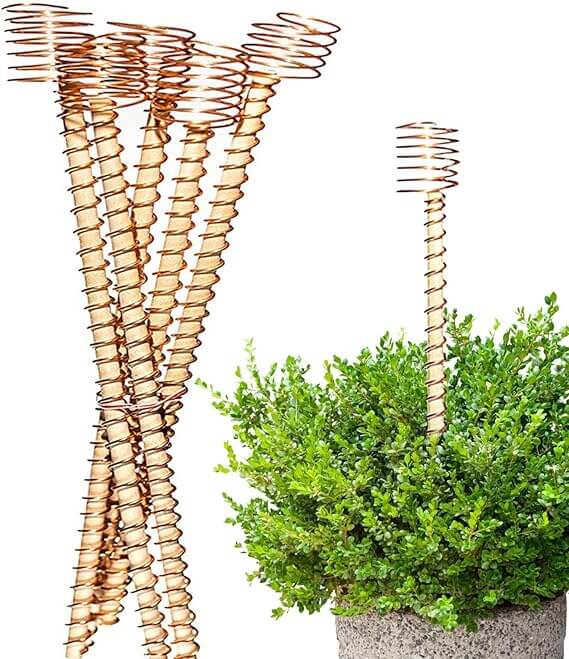
In a world where agriculture faces increasing challenges, from soil degradation to the effects of climate change, innovation is crucial to ensure food security and sustainability. In this context, electroculture emerges as an alternative and striking technique, which promises to stimulate plant growth using electricity or electromagnetism. Although it may sound like something straight out of a science fiction novel, this practice has historical roots and has captured the interest of farmers and sustainability enthusiasts alike, especially in recent years. Can electric power transform the agricultural world? Is this the future of natural farming? In this article, we invite you to explore the history, foundations, and possibilities of electroculture applied to farming.

Smart farming, technology and agriculture go hand in hand

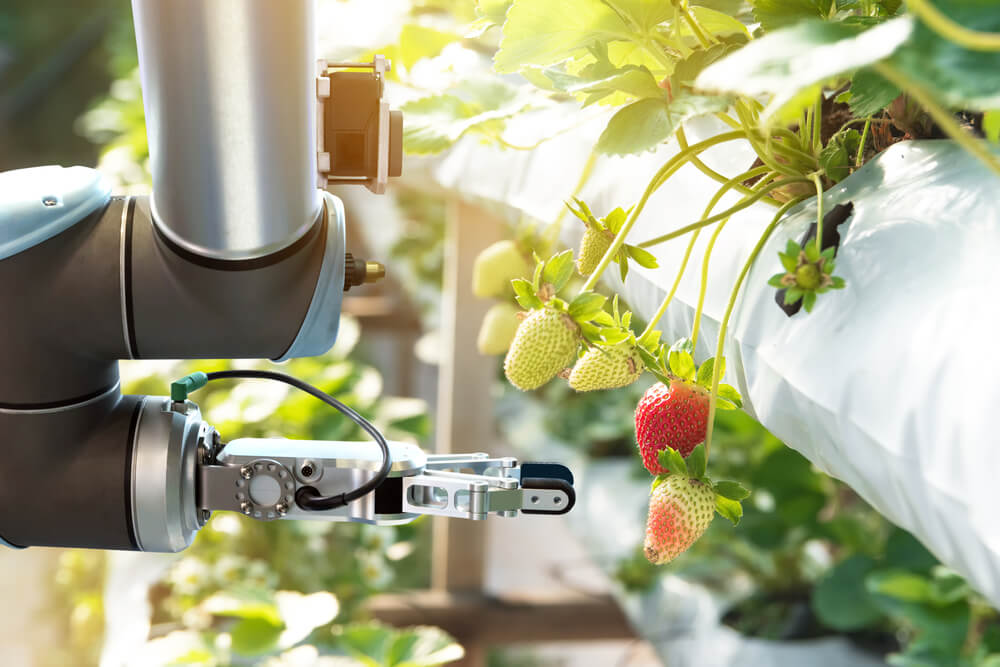
In this digital age we find ourselves in, smart agriculture, also known as smart farming, is revolutionizing the way we grow plants, including - as it could not be otherwise - cannabis. With the increasing advancement of technology and connectivity, as well as the implementation of the latest advances in robotics and artificial intelligence, cannabis farmers around the world are adopting new tools and practices to optimize their harvests and maximize the quality of their products. In this article, we want to invite you to explore how cannabis (and also many other crops) is benefiting from smart farming, from remote monitoring of fields or facilities to the use of sensors and irrigation or even harvest automation systems. Discover with us how the combination of traditional agriculture with the latest technological innovations is taking cultivation to a new level of efficiency and productivity.

How to install a hydroponic growing system for cannabis plants

How to assemble hydroponic growing systems Nowadays there are many ways to grow cannabis plants, but today we will focus on hydroponic growing systems. One of the advantages of hydroponic systems is the explosive growth of the rootball, what entails a greater vegetative growth and therefore a higher final yield of our favourite flowers. The first thing that we must take into account about hydroponic crops is that our plants live in an inert substrate such as coco fibres, rock wool or clay pebbles  (expanded clay). There are also systems known as NFT or aeroponics that consist of spraying a thin film of nutrient solution on the roots, which are hanging in the void sustained in netpots. This means that the adequate nutrient solution needed for each stage of the plant's life is directly supplied to the roots mixed with lots of oxygen in each watering.

What is Main Lining and how to apply it?

Cannabis growers are often looking for new techniques or methods to improve plant performance, whether it's trying new nutrient and stimulator kits, new genetics, or pruning or training techniques. Today we are going to talk about a method of pruning and guiding plants with which excellent results are usually achieved and which combines the application of several other similar techniques. This is the Main Lining, sometimes called Manifold, thanks to which the plants develop heavy colas of buds in a uniform and symmetrical way. As you will see, it is a fairly simple method, you just have to have the patience to guide the growth of the branches in the direction that interests you the most while you carry out periodic pruning and cleaning of the lower parts of the plants. However, especially for those who do not have a large number of plants, it is a really effective way to improve production without requiring great effort. Let's look at it in more detail below.

Should you play music to your cannabis plants?

Music is a powerful force. It can make us dance, cry, laugh, relax or elevate our mood. While we can enjoy music by listening to it with our ears, plants may also enjoy music by feeling its vibrations. In fact, studies indicate that the right vibrations played intermittently can help plants grow and ultimately improve the quality and quantity of a crop. Professional cannabis growers often promote various techniques that home growers can use to obtain the highest quality buds. In this regard, some have resorted to playing music for their cannabis plants after a number of experiments correlated exposure to music with increased size and yield in a variety of species. So it might not hurt to also set up a pair of speakers next to your grow tent and start blasting some tunes at full volume.

Cannabis cultivation and supercropping

Nowadays, thanks to the legalisation of cannabis in many countries - which has allowed the large-scale production of both CBD and THC - high-yield cultivation techniques are becoming more and more common, even in bigger cultivation spaces where it can take several days of work to apply them. Whether you are a home-grower who wants to supply your own stash or a professional grower in charge of a production company, everyone wants to see their plants give the highest possible yields. Today we are going to introduce you to a technique with which, on the one hand, we can "tame" the plant in terms of height and shape, while on the other hand, we can significantly increase the final yield of the branches where we apply it. We are talking about Supercropping, a method of influencing the growth pattern and structure of the plants and boosting their performance when it comes to developing huge and heavy flowers.

What is Dry Farming?

The method of cultivation known as dry farming is one that is widely used in conventional agriculture (especially with cereals) and that has many advantages over traditional growing techniques when applied to cannabis. In fact, many people will have heard of rainfed crops, a centuries-old cultivation technique. Therefore, dry farming by definition is a crop that does not need to be watered by the farmer but instead grows with the water that nature provides, either through rainfall or from underground sources. In the case of cannabis crops that are being cultivated in California by this method, more specifically in Humboldt County, they rely on the second option, since they are located near rivers, allowing the plants to absorb the water that accumulates below the ground. It may seem impossible to imagine that majestic cannabis plants can develop and deliver quality crops without the grower watering them, but it is a method that really works.

Cannabis growing systems

Many people starting their journey into the world of cannabis cultivation (or other plants) want to know which growing method is the best, since the existing diversity of systems and products often creates a lot of confusion, especially among inexperienced growers. To help you choose, we summed up the main characteristics of the most popular growing methods within the cannabis community, which can also be used with excellent results for other types of plants. What are the differences between hydroponics and aeroponics? What is NFT? And DWC? In this article, we answer these questions and many more.

LST - Low Stress Training for cannabis plants

Plant training - a low-stress alternative to pruning Cannabis is a robust, vigorous and fast-growing plant which responds very well to crop optimisation techniques such as: pruning; propagation via cuttings; hydroponic cultivation and more. In a previous article we looked at the so-called "destructive" techniques like pruning, super-cropping, etc, and in this article we?re going to talk about a very useful technique both for indoor and outdoor growers: Training or tying down, often referred to by cannabis growers as LST (low stress training). This technique originated in the agricultural sector, where for generations vineyards and orchards have been cultivated using a variety of training techniques, to facilitate harvesting and improve the productivity of the crop.

How to grow marijuana plants in mapito

What is mapito ? Mapito is a growing substrate used by Dutch growers on indoor crops due to its features, like excellent oxygenation or  moisture retention . It?s composed of rock wool and polyethylene flakes.

How to water cannabis plants in hydroponic systems ?

In this post we'll show you the main differences between the diverse hydroponic and aeroponic growing systems, as well as how to adjust the irrigation of these growing systems according to the needs of each grower.

7 Guide for choosing your cannabis strain

Genetics for starting your breeding journey

Cannabis breeding combines observation, patience, and knowledge of plant genetics. We usually associate it with creating new varieties, but its true value goes far beyond that. Understanding how certain traits are inherited, learning to identify interesting characteristics within a population, and discovering how breeders have developed the most legendary genetics on the market allows you to view your own cultivation from a completely new perspective. And we assure you, it's addictive! Breeding is constantly evolving, in line with technological advancement

Triploid vs F1 Marijuana Seeds: Which Should You Choose?

Today we present what could be the next revolution in the world of home cannabis growing. In just a few years, we've gone from classic feminized seeds to two innovations that promise to change the rules of the game forever: F1 hybrid seeds and triploid seeds. Both represent an enormous qualitative leap over traditional varieties, but they take very different scientific paths and offer advantages that don't always overlap.

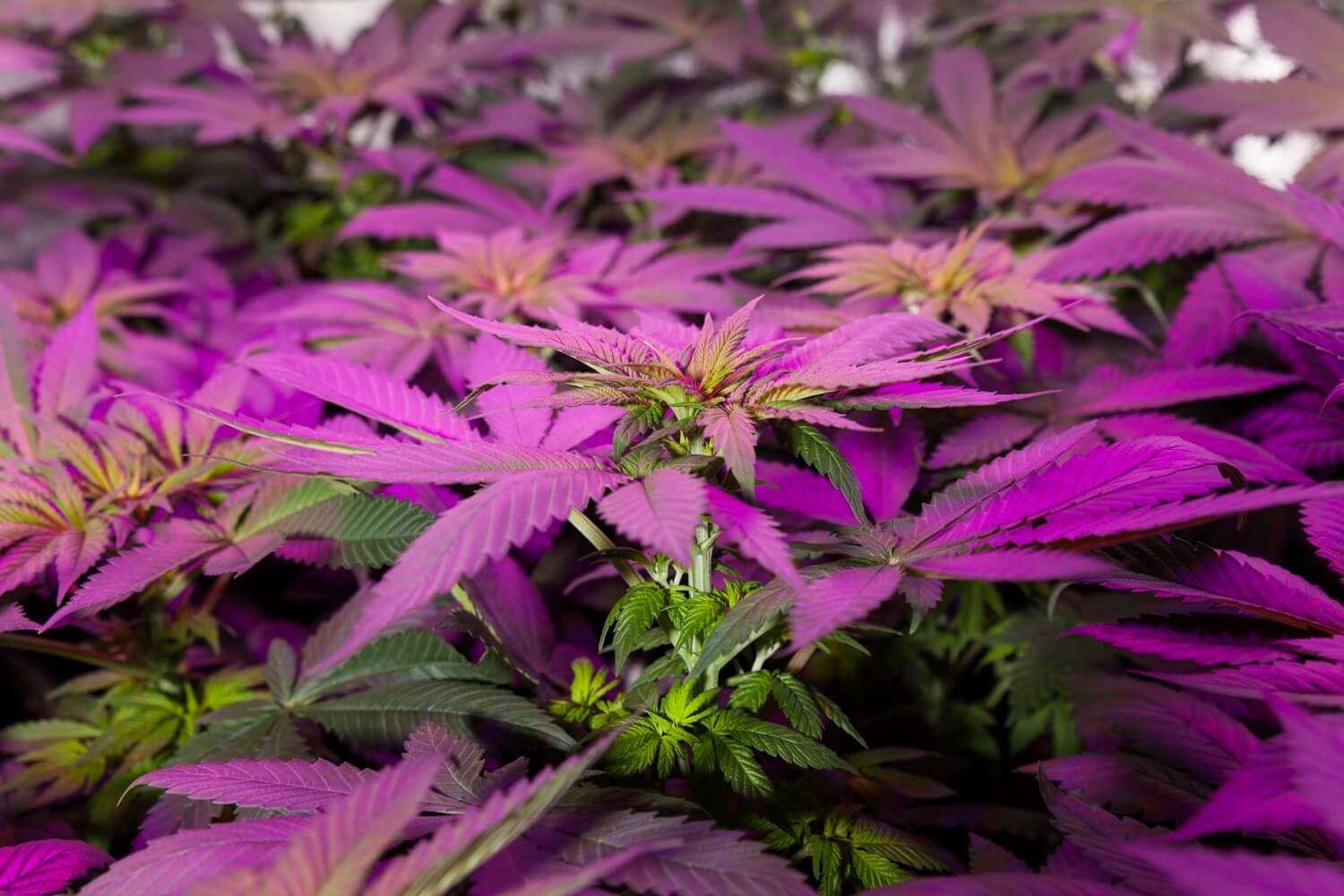
Purple cannabis

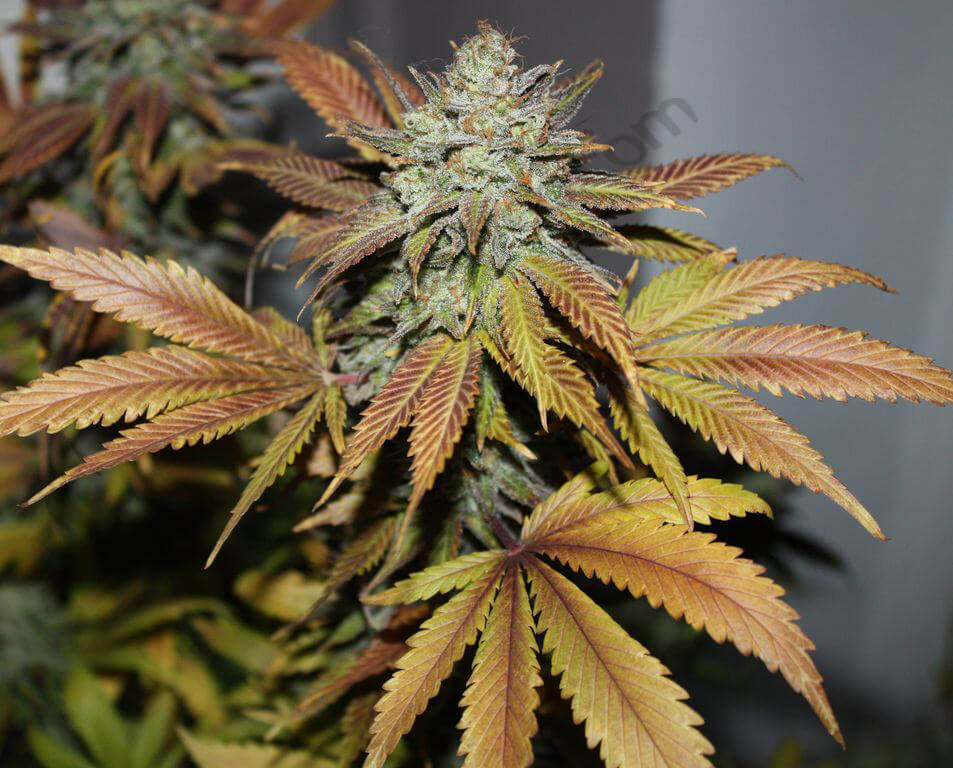
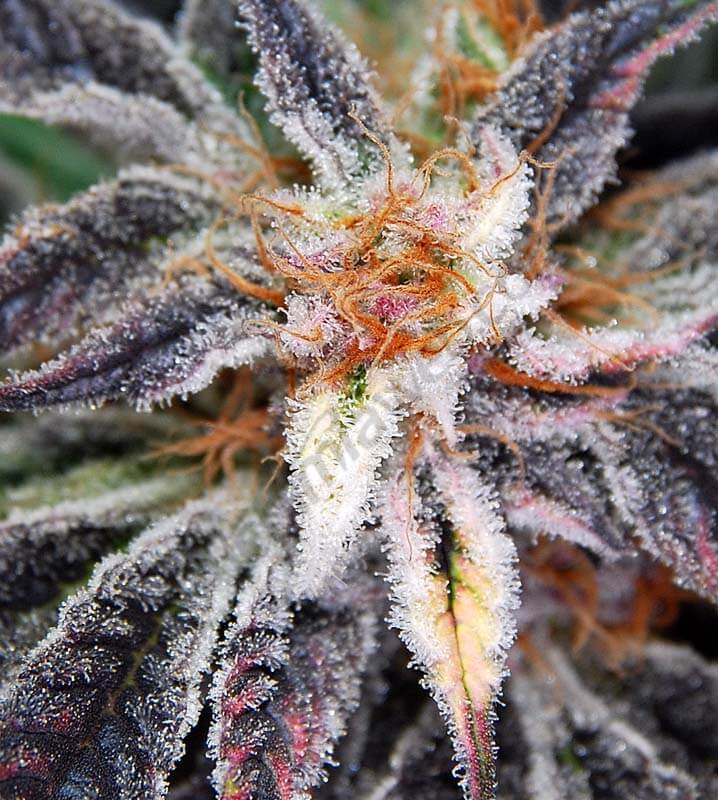
Purple weed is all the rage in Northern California cannabis clubs, as it's highly sought after by both consumers and producers. Let's explore this phenomenon and learn a few things about cannabis and its color. Do you see a strong demand for the color purple these days? Not for everyday use, because this color is very common, but if we're talking about purple marijuana, that's a different story. This is a translation of an article by Subcool, the TGA breeder.

Mainstream strains vs. elite genetics: Is it worth the plunge?

Choosing which strain to grow can sometimes be harder than deciding which TV show to start watching on a Sunday night. There are too many options, too many promises, and, of course, too many price differences. One seed costs €4, the one next to it €14. And of course, it's normal to wonder: Is there that much of a difference? Am I paying for quality, marketing, or a cool English name tag? Spoiler alert: like most things, it depends. Today, we want to explain why there's such a difference in seed prices, whether it's worth paying more for some genetics, and what you should consider before choosing your next seed to grow. Let's get to it!

10 new autoflowering seeds at Alchimia Grow Shop

There's no doubt about it: growing autoflowering cannabis seeds is a growing trend that has seen its popularity explode in recent years. The advantages this type of seed offers have not gone unnoticed by thousands of growers, who take advantage of its rapid growing cycle to obtain abundant bud harvests that, year after year, improve in quality and quantity. Today, we invite you to discover some of the newest auto-flowering seeds on the market. We feature 10 auto-flowering strains that will surprise you with their flavor, aroma, and yield. Whether you're a veteran grower, just setting up your first grower, or even planning your first garden, here you'll find options that shine with potency, flavor, and ease of cultivation. Let's take a look!

What are Fast, F1 and Early varieties?

If there's one thing every grower wants, besides quality buds, it's the harvest as soon as possible. And it's not just a matter of impatience—although, let's face it, no one likes to wait too long—but in many cases, rapid flowering may be an essential requirement for ensuring a successful crop. Imagine growing in a rainy climate where autumn arrives with tons of mushrooms under its belt. Or you're preparing a harvest for a cannabis cup, you've rested on your laurels when it comes to germination, and time is running out. Or you simply can't afford to expose your crop for too long, because certain individuals have a penchant for taking what isn't theirs. Having fast-flowering varieties is a real lifesaver in these and many other cases. But this is where you might have doubts: which should you choose, an "Early" variety or a "Fast/F1" variety? Both promise speed, but you may not know exactly what differentiates them. So today we're going to explain where these types of plants come from and the breeding methods behind them, so you can choose the one that best suits your growing, your needs, or, simply, your tastes. Let's get to it!

How to choose seeds for your cannabis crop

Growing cannabis at home is an exciting and rewarding experience, but choosing the right strain can be overwhelming, especially for those new to this world. The options are vast, and each strain has particular characteristics that affect the growth, the flavor, the aroma, and, of course, the desired effects. Are you looking for a relaxing experience or an energy boost? Do you have space indoors or would you rather take advantage of the sun outside? Do you want a plant that flowers quickly or wait a little longer to get the flowers you really want is not an issue? These are just some of the questions you should ask yourself before selecting your next cannabis strain. In this article, we will help you make an informed decision by looking at the main factors to consider: from the type of effect to the growing conditions, including the climate, the speed of flowering, or the flavor you want to enjoy. With the right information, you can find the perfect genetics for your garden, making your growing experience much more rewarding and successful.

The most potent cannabis strains of 2024: A journey to the limits of THC

The world of cannabis continues to evolve, and 2024 has been a year that has not disappointed the most demanding fans. With the constant improvement of genetics and cultivation techniques, varieties with high THC levels and unique aromatic profiles have become the focus of attention for both growers and consumers. In this context, Alchimia Grow Shop has stood out as one of the reference points for finding the most potent and popular strains of the year. From super-potent hybrids to devastating indicas and electrifying sativas, these strains not only stand out for their impressive potency but also for offering unforgettable experiences through exceptional flavors, aromas, and effects. If you are looking to take your cannabis experience to the limit or simply want to know which have been the stars of this year, this article is for you. Join us to explore the most potent strains of 2024, which have left their mark both in the gardens and our customers' memories.

Alternatives to cannabis strains from German pharmacies

Following the legalization of cannabis in Germany, the medical cannabis market in this country has experienced a considerable boom, positioning itself as one of the most advanced in Europe. German pharmacies offer a variety of carefully selected genetics grown under strict standards, designed to treat a wide range of conditions such as chronic pain, anxiety, or neurological disorders. However, many users and growers also look for alternatives in the seed market, either out of curiosity or for their cultivation in countries where home-growing is regulated. In this article, we invite you to explore some of the most in-demand pharmaceutical options along with their possible equivalents in the seed market. This provides a broad overview for those seeking information on these specific genetics or just to find a good alternative to these flowers so that you can grow them yourself from the comfort of your home.

Why grow regular seeds?

Regular cannabis and its beginnings Cannabis is an ancient plant that has been coexisting with the human species for thousands of years. Studies on the plant argue that it originated in China and that from this initial point, the plant slowly but steadily colonized the world until it reached the 4 continents, using the help of animals, travelers, merchandise, or wars to expand. This entire cannabis movement meant that marijuana plants had to adapt to the different climatic variations wherever it was exported, generation after generation.

Distinguishing the quality of cannabis: An art and a science

In the world of cannabis, one of the most valuable skills that any enthusiast can master, whether just a user or a grower, is the ability to distinguish between good quality cannabis flowers and those that, let's say it like this, could be better. While legalization and regulation have raised the quality of products in many areas, there are still notable differences in the quality and potency of cannabis flowers available on the market. In this article, we will guide you through the aspects and keys to help you identify the difference between real green gold and low-quality weed. It is not just about consuming better or worse weed, but about knowing how to appreciate a series of aspects (such as the presence of fungi in the buds) that your health will appreciate if you take into account, whether you plan to smoke, vaporize, or do any type of resin extraction with those flowers. Let's see what qualities you should look for in a bud to be able to evaluate it as "top weed".

Origins of the Gelato cannabis strain

In recent years, the world of cannabis has experienced a true revolution in terms of the development of new genetics, and among the various varieties that have emerged, one of the most prominent is the Gelato strain. This plant has managed to capture the attention and palates of marijuana enthusiasts around the world thanks to its exceptional combination of flavors, aromas, and unique effects. Gelato is a hybrid variety, the result of crossing the famous Girl Scout Cookies Thin Mint and Sunset Sherbert. It was developed by the master breeders at the Cookie Fam Genetics company, who you probably know have created some of the most popular and award-winning strains in the cannabis industry in recent years. Since its inception, Gelato has quickly gained recognition and become a favorite choice for both medicinal users and recreational consumers alike. Today we tell you all about her.

Amnesia Haze, a strain that changed the cannabis scene

When talking about Haze marijuana, several names usually come to mind, all of them classics from the scene that at the time represented a true revolution both from the point of view of breeding and of the final consumer: Super Silver Haze, Original Haze, Neville's Haze and, of course, Amnesia Haze, are all representative plants of the best that Haze genetics can offer and which, in turn, have become pillars of breeding for the development of dozens - if not hundreds - of new strains. Today we are going to dedicate this article to Amnesia Haze, one of the most sought-after sativas in Dutch coffee shops and champion in countless cannabis events around the world, characterized by its intense citrus and incense aroma and its potent effect, which provides a strong cerebral charge while invading the body with powerful waves of euphoria and energy. Not for nothing has it become one of the most famous Sativa-dominant strains in the world!

Top 10 highest-THC cannabis strains of 2022

THC or tetrahydrocannabinol is the best-known cannabinoid in the cannabis plant, responsible for its psychoactive effects. So, although the effects produced when weed is consumed also depend on other compounds present in it, such as secondary cannabinoids and terpenes (in the phenomenon known as the entourage effect), its concentration plays a pivotal role in the potency of cannabis. Whether it is to obtain the most intense high possible, but also to be able to reduce the doses consumed or to easily obtain the medicinal effects sought in the context of therapeutic cannabis use, the THC level of the cannabis plant is a feature of great interest to many growers and consumers. Today we invite you to get to know the most potent cannabis strains of 2022 currently available on the market. Godfather OG, 34% THC

The strangest cannabis strains from our seed banks

Like all plants, cannabis can develop phenotypes of all shapes and sizes. Generally speaking, varieties will exhibit differences in resin production, colouring, stature or structure. Other times, cannabis will express itself with characteristics you've probably never seen before. And sometimes those characteristics can be stabilised from generation to generation to give us pleasant surprises. For example, most of us would love to have a magical cloaking mechanism that makes our cannabis plants "disappear" from view, especially when growing outdoors. But beyond discretion, we also want plants whose yield, aroma and flavour are above average. And these are some examples present in the seed banks on our website that achieve this effect with great skill.

How to interpret cannabis strain descriptions

We receive many queries about the parameters included in the descriptions of the different cannabis strains, and more specifically, the traits section. While some aspects, like production per square meter or cannabinoid content, are very clear for the experienced grower, newcomers to the wonderful world of marijuana home growing can find them confusing. Today, we are explaining in detail each of the attributes that can be found in the information provided by the cannabis seed banks concerning the genetics they sell. This will help you to clear any doubts when checking the strains' index cards and descriptions and to understand every trait of the plants outlined in their catalogs.

Smoke Report: Punch Out by Purple City Genetics

Today we'd like to invite you to share in a tasting session with one of Purple City Genetics' most spectacular varieties: Punch Out. Coming from a cross between Legend OG and the mythical Purple Punch, this hybrid has a rich and complex flavour and aroma that stand out above the rest, whether consumed in a cannabis vaporiser or, as in our case, rolled up in a traditional joint. Just one look at the pedigree of this variety is all that's needed to know that we're dealing with something very special. For its part, Legend OG (The Crinkle Cut) is a clone-only strain with OG Kush genetics, which is pretty much held as the benchmark of quality that many other varieties are measured by, and used in countless top-quality hybrids. On the other hand, we can't add much to everything that has already been written about Purple Punch, a plant that stands out on its own, but which also offers amazing results as a parent equalled by very few other strains. Without a doubt, the guys at PCG have come up with a knockout combination for Punch Out!

Low-THC Cannabis Varieties

With the rise of medicinal cannabis use and the inclusion of CBD in a multitude of products, the varieties of hemp chosen for cultivation are becoming increasingly important for the producer, who can see how the total CBD yield can easily double if the right choice is made. However, and as every professional hemp farmer knows, his activity is restricted by limits on the THC content in his plants permitted under the corresponding legislation, and that each country has its own limits and regulations. In today's article, we're going to introduce you to the best currently available varieties with THC levels below 1%, meaning that they can be grown in certain countries without any type of legal issues because they stay below the limits established by the respective jurisprudence. Not only that, but we'll also show you some of the certified hemp varieties that we offer in our seed catalogue.

Runtz, born under a lucky star

Since its official launching at the end of 2017, Runtz genetics hasn't stopped receiving awards and praise due to its quality and, why not say it?, a great marketing campaign. Today we are going to see in detail this unique plant, and show you some of the options available in case you want to try it. You won't regret it!

Medicinal Cannabis strains

The use of therapeutic or medicinal cannabis has seen an unprecedented boom in recent years, with thousands of people treating their illnesses, ailments and side-effects derived from other treatments either with the cannabis plant itself or the extracts that derive from it. The multiple benefits offered and the growing number of users bear witness to its effectiveness, which in recent times has led to redoubled efforts by breeders and seedbanks to create new hybrids with better ratios of certain cannabinoids, such as THC, CBD or, more recently, CBG. Today we're going to take a look at the best cannabis varieties for medicinal use, in particular from the point of view of the relative quantity of cannabinoids they contain. Nowadays, although CBG is fast gaining popularity, the "star cannabinoids" in terms of medicinal properties are THC and CBD, and we can find plenty of varieties with different ratios or proportions between one compound and the other. So, here we're going to list them according to their cannabinoid ratio so that it's easier for you to find the one you're looking for.

8 Cannabis dictionary

What is foxtailing in cannabis? Causes, types and how to deal with it

Have you noticed that the buds on your plant are growing in a strange way, with elongated towers sticking out from the centre of the calyx like tiny spirals or tails? If so, you're very likely looking at the famous foxtailing. Don't worry — you're neither the first nor the last grower to come across this phenomenon, and understanding it well can make the difference between a spectacular harvest and an avoidable disappointment. In this article, we explain everything: what it is, why it happens, how to identify it and, above all, what to do about it.

Apical pruning in cannabis: a complete guide to multiplying your harvest

If you've been growing cannabis for a while, you've surely heard of apical pruning. And if you're just starting out, we can assure you that this technique will become one of your best allies. When properly applied, it allows you to modify the plant's structure, improve light efficiency and significantly increase final yields. Poorly executed or carried out at the wrong time, it can stunt growth, cause unnecessary stress or even ruin a harvest.

Cannabis leaves and their colors

Leaf color in cannabis plants has long been a subject of interest for both growers and botanical enthusiasts. While deep green is the predominant color, especially during the vegetative growth stage, the color palette in cannabis can include shades of red, yellow, lilac, purple, and even almost black, often seen during flowering. These color changes not only offer a beautiful visual spectacle but can also provide key information about the plant's health, genetics, and growing conditions. Throughout this article, we will explore the causes behind these color variations and how to interpret the colors on cannabis leaves to improve the quality of the crop, if necessary. Let's go!

Khardala, what is it and where is it produced?

The term "Khardala" comes from the Berber dialect spoken in the Rif region of northern Morocco and often means "mixture" or "blend". In the context of cannabis, it refers to a hybrid strain of unknown parentage that is known for its resilience and adaptability to harsh climate conditions, such as those found in North Africa. Over the years, Khardala has become synonymous with Moroccan cannabis plants, renowned for their contribution to the production of the area's famous hashish, which has led Morocco to become one of the world's leading hashish-producing countries. Hundreds of Moroccan farmers have cultivated this strain, which has established itself as one of the most representative of the country's cannabis culture, offering cannabis with its characteristics, both in its genetics and in its effect. Today we tell you more about it.

What is auto-flowering cannabis?

In the world of cannabis cultivation, auto-flowering or automatic seeds have revolutionized the way many growers approach their projects. These unique and versatile genetics have gained popularity for their ability to flower automatically instead of depending on the traditional light cycle, in addition to having undergone a genetic improvement process that has led them to offer the great results of today. In this article, we will tell you where auto-flowering cannabis comes from, from its origin and distinctive characteristics to the benefits and challenges of growing this type of strain. We offer you a complete guide that will help you better understand how to make the most of these fast-growing, high-quality plants. Get ready to discover the secrets of automatic seeds and take your cultivation to the next level!

Methods of consuming cannabis

Cannabis is an ancient plant and, in fact, archaeological studies show that it was being already cultivated around the year 8000 BC. There is a great deal of information on the chronology of this magnificent plant, catalogued by gurus, shamans, doctors, biologists and scientists as a spiritual, medicinal, recreational or industrial plant, as it has many different and varied uses. In this post, we will leave cannabis as a material for the industrial sector (textiles, paper...) aside and focus on explaining the different ways of consuming it.

Viviparity or premature germination of cannabis seeds

Viviparity may be a strange-sounding word, but it actually describes one of the best-known phenomena among mammals (and other species), that of embryos developing inside the mother's body until the moment of birth, at which point they are already prepared to survive in the outside world. This viviparity, which is so familiar to us humans, is not so frequently found in the plant kingdom, where the embryos are released by the mother plant as a seed and will depend exclusively on the environment to develop and grow. However, viviparity can also occur in some plants and sometimes, the seed that would normally wait to be released begins to grow in the mother's body and emerges to the surface like an alien unleashed. The result? Plants that seem like something from a horror movie but that are, in reality, premature mothers.

The mutations of cannabis

A mutation is a random change in the nucleotide sequence or in the organisation of DNA (genotype) or RNA of a living being, which produces a variation in its characteristics. DNA and RNA are polymers formed by long chains of nucleotides. For the most part, these changes only affect a single nucleotide or a very small DNA region of the billions of nucleotides that make up the genome, but they are responsible for the genetic variability that can be observed in all species. Without mutations, we would all be identical and, most importantly, there would be no possibilities for evolution and adaptation. Therefore, using the simplest possible terms, mutation refers to ‘errors’ in the genetic code of cannabis which make plants develop differently than expected.

Anatomy of the Cannabis plant

When it comes to cannabis, the part of the plant that gets all the attention is naturally the bit we're all growing for: the flowers. But while it's easy to be enamoured with the beautiful frosty flowers we shouldn't overlook the rest, because behind the bud there's a whole plant, with all its component parts, each playing an essential role in bringing us our precious harvest. Here at Alchimiaweb we strongly believe that the more we know about our favourite plants, the more success we'll have cultivating them, and the happier we'll be with the results! For these reasons here we're going to take a closer look at the cannabis plant and identify all the different elements of its anatomy to help you get to know this wonderful plant a little bit better.

Characteristics of Sativa cannabis strains

In the world of cannabis, Sativa varieties have become the favorites of many users, who prefer their stimulating effect compared to other, more relaxing types of plants. Native to the tropical and subtropical fringes of the planet, cannabis Sativa plants have captivated growers, enthusiasts, and users for centuries. With their narrow leaves, towering height, and energizing cerebral effects, Sativa strains offer a unique experience that resonates with the very essence of the warm, sunny climates where they thrive. Today we are going to explain to you the main characteristics, cultivation, and effects of these legendary varieties. Additionally, we will talk about the typical Sativa/Indica classification of cannabis and see if there are other ways to classify our favorite plants today.

Characteristics of Indica cannabis strains

Indica cannabis strains stand out for their rich history and distinctive characteristics. Originally from the mountainous regions of the Himalayas and Hindu Kush, these plants have captivated growers and consumers for centuries with their relaxing effects and therapeutic properties, and are also used to make resin concentrates such as hashish. Today, we invite you on a journey to the highest mountains on the planet to better understand Indica cannabis. We will learn more about its origin, unique characteristics, and medicinal uses, and better understand how these revered genetics have left a lasting mark on cannabis culture all over the planet.

Cannabis and hermaphroditism

In the world of cannabis cultivation, the phenomenon of hermaphroditism is a topic that arouses curiosity and concern among growers, especially those who are just starting. Unlike many other plants, cannabis has the unique ability to develop both male and female flowers on the same plant. This can result in hermaphrodite plants. In this article, we will explore in detail what hermaphroditism in cannabis is, how it develops, what its causes are, and what implications it has for growers. Additionally, we will discuss strategies to prevent and manage hermaphroditism in cannabis cultivation. We'll help you keep your crops free of genetic contamination and maximize the quality of the final product.

How to distinguish cannabis males from females

How to differentiate cannabis males and females  The cannabis plant (cannabis sativa sp.) is dioecious or unisexual, meaning it produces male and female flowers on different plants. However, it can also produce plants that have both sexes in the same individual, plants that we call hermaphrodites or monoecious. As a general rule, plants that produce male flowers are called male plants, while those that produce female flowers are called female plants. Male cannabis plants flower, producing clusters of "bags", which hang downwards and end up opening and releasing pollen, which, transported through the wind, will pollinate the female plants and lead to the formation of seeds in them. For their part, female cannabis plants produce tear-shaped calyxes from which two small hairs emerge, usually white and called pistils, which are grouped to form what we typically call buds. In today's article, we are going to teach you how to differentiate them correctly to avoid unpleasant surprises.

9 History of cannabis strains

The great homogenization of modern Cannabis

For decades, cannabis was synonymous with diversity, not only in potency or production, but in something much harder to define: character. There were varieties that seemed to belong to different worlds, some smelled like varnish or solvent, others like incense, musk, even fruit... impossible to fit into any other known botanical category.Within the same harvest, the experience could change dramatically from one plant to another, yes; great differences between sisters. Cannabis seeds: where it all begins. However, in recent years, one idea has been repeated insistently among growers, breeders and experienced users: much of modern cannabis seems to move within an increasingly narrow range of aromas, effects and sensations, giving rise to flowers impeccable in appearance, resinous, and potent. But also in many cases, surprisingly familiar to each other, as if different genetics were increasingly speaking a common language. The question is not whether this is good or bad. The question is another, more uncomfortable one: how did we get here? In this article, an old-school grower shares his perspective on the current state of the international cannabis landscape.

The Emerald Triangle: Californian Cannabis & Tradition

What is the Emerald Triangle? The Emerald Triangle refers to an area located on the northwest coast of the United States (northern California) and comprises Mendocino, Humboldt, and Trinity counties. To delve into the origins and traditions of cannabis cultivation in this region, we must go back to the 60s, during the Summer of Love in San Francisco. During the second half of the decade, and with the hippie counterculture as a backdrop, a good number of growers settled in this area in search of a place that would meet the ideal conditions for the outdoor cultivation of cannabis, namely isolation and a privileged climate. Since then, the Emerald Triangle has been one of the main sources of cannabis supply to California. As of 1996, and after the approval of California's Proposition 215 for medical cannabis, the production in these three counties shot up due to the increase in demand, reaffirming the Emerald Triangle as one of the main producing areas of the country.

History of the Cheese strain

The Cheese cannabis variety is an indisputable figure in the world of cannabis. Its name comes from its distinctive aroma of old cheese and its strong cultural roots in the United Kingdom. Cheese has been used over the years as a base to create new hybrids with unique characteristics. Its distinguished aroma and effects continue to be part of its legacy, as well as its particular history. In this blog entry, we are going to try to contextualize a bit, and we will talk about the origin of the famous Cheese, a current phenomenon with a long and curious history behind it...

The Origins of Diesel

Origins of Diesel cannabis strains In recent years, Diesel strains have become, by their own merits, one of the most popular cannabis genetics, sought by growers and users both for their intense and special taste and for their strong effect, mainly caused by THC contents which can exceed 20% in most specimens. As it often happens in the world of cannabis, the exact origin of this genetics is uncertain, although one of the most commonly accepted theories tells us that it's directly related to the Chemdog and, later, also to the OG Kush marijuana. Therefore, to clarify the origins of Diesel, we need to know more about the mythical Chemdog strain - often called Chemdawg - and how it reached the East Coast of the United States.

Critical Mass by Mr. Nice, a legendary cannabis strain

Mr. Nice Seedbank, a project by Shantibaba, Nevil and Howard Marks Almost 20 years have passed since Mr. Nice Seedbank was founded in 1998 by Scott Blakey, Nevil Shoenmakers and Howard Marks. Scott and Nevil, former partners of Arjan Roskam in the Green House Seed Company, decided to share their strains by creating a new seed company that quickly earned its place in the market and which got the name of the alias of the third partner, Howard Marks. At the time when feminized seeds were entering the market and demand was increasing every day (in countries like Spain and thanks to grow shops people were starting to grow their own pot), Shantibaba (Scott) and Nevil developed some of the most popular genetics of that time, like Black Widow (their own version of the White Widow), Neville's Haze, La Niña or the renowned Critical Mass.

Chemdog: the story of a legend

Every now and then, very rarely, a new strain will burst onto the scene and completely change the rules of the game, as was the case with genetics such as Skunk, Haze or Northern Lights. The appearance of these outstanding strains not only represents a step forward in cannabis breeding, but they can have such an impact on consumers that they quickly reach mythical status, something that is even easier today than it was a few decades ago. Indeed, on one hand, these genetics often become the foundations on which dozens of new hybrids are developed, some more balanced than others, but always presenting new and exciting traits in the offspring. On the other hand, and as any cannabis consumer will know, the appearance of one of these "superplants" inspires a real fever to try it and grow it, thus elevating it to the Olympus of the cannabis gods. This is the case of the strain that concerns us today, a legend in every sense of the word: Chemdog, also known as Chemdawg.

The origins of Skunk

The Skunk gene pool The Skunk is, doubtless, one of the most widely known and grown cannabis strains worldwide. The Skunk strain is a polyhybrid between two Sativa landraces - Colombian Gold and Acapulco Gold - and an Afghani Indica purebred. This legendary cannabis strain was developed during the early 70s in California by a group of growers and breeders known as Sacred Seeds, led by Sam "The Skunkman". During this glorious time, selections of thousands of plants were usually performed outdoors. In this way, the best traits of the gene pool were detected and stabilized over the years, according to the criteria that have made the Skunk become a truly impressive cannabis variety: nice yields, early flowering, nice branching, dense and resinous flowers with few leaves, and extraordinary scent.

History of the White Widow

White Widow is a legendary cannabis strain known by the vast majority of stoners. Who hasn't heard of it? Who has not tasted the White Widow or some cross of the White family? Many old-school stoners right now are sure to have memories of their first trips to Holland with White Widow. White Widow is considered a hybrid between a Brazilian Sativa Landrace plant and a South Indian Indica, a genetic that appeared on the scene in 1995 like a hurricane, winning the Dutch High Times Cup at a time when plants like Skunk, Northern Lights, or Haze dominated the scene. Today, we tell you everything we know about its origin.

Malawi Cob - traditional fermented cannabis

The so-called 'Malawi cob' is an ancient method of transporting and curing cannabis that has been used by the people of this part of Africa for centuries. However, nowadays, it is very difficult to find grass fermented in this way or a genuine traditionally cured cob. In fact, the fame of the Malawi Gold cannabis strain has led to its demise, as the high demand for this legendary strain has resulted in a market where any quality of this herb can easily be sold. Traditional curing methods are no longer necessary and are all but forgotten, as any product stamped 'Malawi Gold' can be easily sold, with buyers from all over the region queuing up before the buds have even matured. The overall quality of the weed is now seed-filled and uncured, for sale to tourists looking to get their hands on this type of cannabis.

Origins of Jungle Boys

Any fans of American cannabis genetics will already know of the Jungle Boys, a Los Angeles-based collective of growers who aim to produce high-quality, clean, and potent cannabis. They are known in particular for discovering and breeding amazing White Fire OG phenotypes, but also for the famous Mimosa and many other cannabis strains. These days, they are an essential part of the North American cannabis scene, offering high-quality cannabis buds and extractions in several dispensaries in the United States, in addition to producing a whole range of derivative products, as well as a catalogue of seeds of their best-known varieties. Today we are going to discover the history of the Jungle Boys, the origin of their adventures, from the first lamps in the garage to the installation of grows with several thousand lights, the opening of dispensaries, the production of seeds and merchandising, the lawsuits... and of course we will also tell you all about the notoriety that the Jungle Boys enjoy today. Early steps of Ivan from the Jungle Boys Today, the Jungle Boys are very likely one of the most popular breeder collectives in the US However, they have a turbulent history full of tribulations, so today we invite you to discover their history and, in particular, the journey of Ivan, the enthusiast behind this popular collective. A story full of twists and turns, from discreet grows in a garage at the beginning to installations with hundreds of lamps, a dispensary, corruption problems, legal battles with the city of Los Angeles... and finally the well-deserved success.


The Origins of GG4 - RIP Joesy Whales

This week began with the sad news that GG4 co-creator Joesy Whales aka Don Peabody, had died. He passed away in Las Vegas on May 6th at the age of 69 years old, doing what he loved most, and is survived by his wife, Angela, and their two children. We'd like to take this opportunity to pay our respects and pass on our deepest condolences to his family and at the same time, tell you a little about his enormous impact on cannabis culture.

Zamal, a legendary cannabis strain from Reunion

Zamal, cannabis from Reunion Island Cannabis or marijuana is a plant that currently can be found in all corners of the world. There is clear evidence that the cannabis plant originated in the Eastern/Central Asian regions. Then, it spread to the Middle East, and afterwards, to both the African and American continents. Over the centuries, through traveling and commercial activities, humanity established cannabis cultivation in areas where it didn?t grow naturally. A perfect example of this expansion is Zamal, the strain that reached Reunion Island and acclimatized to the point of growing spontaneously as a pure landrace for over two centuries.

The origins of Haze

What's the story of Haze? Haze is, probably, the most grown and renowned 100% sativa hybrid throughout the world. Its origins date back to the early 1970's in the region of Santa Cruz, California (USA).During this time, two brothers known as the "Haze Brothers" (R. Haze and J. Haze) cultivated and crossed different cannabis lines using seeds of the best imported sativa strains, most times offered by their friend and neighbor Sam "The Skunkman".It all began with a hybrid between a landrace sativa from Mexico and another landrace from Colombia. One year later, the best females selected from this hybrid were crossed with a landrace strain from southern India. Finally, the female offspring of this new hybrid was crossed again with a landrace male from Thailand.

The origins of Northern Lights

The history of Northern Lights The Northern Lights cannabis strain is, probably, one of the most renowned and appreciated Indicas around the world. Winner of countless awards and born as pure Afghani for the first years, it seems like some Thai Sativa genetics were added to its genepool at some time, what probably accounts for the fruity taste and intense cerebral high for which this variety is known. In this way, and despite it is a mostly Indica strain, Sativa phenotypes are found from time to time, rare individuals with spectacular features. According to most sources, it is believed that it was created on the 70's by a breeder known as "The Indian" on an island near Seattle, WA, although others claim that the strain originated in California before The Indian started growing it. The story goes that there were 11 Northern Lights plants (labeled #1-#11), being #5 and #1 the best ones, all of them truly Afghani plants with strong Indica features: resinous, compact, dark green and very stable.

10 Nutrient deficiencies and excesses in Cannabis

Deficiencies and excesses in Cannabis

Nutrient imbalance in cannabis plants? In this post, we will focus on the macro and micro-nutrients necessary for the development of cannabis plants. These elements are available in the nutrients, so the chosen type of fertilizer and its correct use will lead us to a crop without deficiencies or excesses, thanks to properly planned and balanced feeding. Different factors must be considered, so we'll try to explain them simply so that all growers can dispel any doubts they may have about the nutrition of their cannabis plants.

Silicon in cannabis cultivation

Cannabis needs a good number of macro and micronutrients to be able to develop without any kind of nutritional limitation. Nitrogen, phosphorus and potassium (NPK) are probably the best known, present in most cannabis fertiliser formulas for both the vegetative or growth phase and the flowering phase, along with others such as iron, sulphur, boron and molybdenum, to mention just a few. However, there is one very special element for the development of plants, and one that until a few years ago did not receive the attention it deserves. We are talking about silicon (Si), a nutrient that, although it is not necessary for the plant to grow and bear fruit properly, will greatly increase its defences against sources of stress such as pests, diseases or drought, while reinforcing the cell walls of plant tissues, strengthening their structure and favouring processes such as photosynthesis. Today we will talk about this interesting nutrient, see how to use it and examine its main characteristics.

Fertilising Autoflowering Cannabis Plants

Autoflowering cannabis plants are great for several reasons. They have fast growth cycles (generally less than 11 weeks from seed), they do not depend on light schedules to trigger flowering, they have a high resistance to mould and pests... but, above all, due to their short life cycle and size, autos don't require large inputs of nutritional resources, meaning that growers can save money as they won't need to feed plants for as long to get great results. Aside from their rapid development, autoflowers have a strong and resilient nature, so they aren't too fussy about the quality of the medium they grow in and can still do well with minimal nutrients.

Deficiency and excess of Iron in cannabis plants

In the scenario of nutrition in agriculture, where each element plays a crucial role in the life of plants, iron is an essential actor in the development and vitality of plants, playing a fundamental role in processes as important as photosynthesis, the formation of chlorophyll, or resistance to environmental stress. Today we invite you to discover the relationship between this element and your plants, as well as what you should do if they show any symptoms of a deficiency or excess of this important micronutrient.

Deficiency and excess of magnesium in cannabis plants

In the world of cannabis cultivation, each of the macro and micronutrients plays a crucial role in the healthy development of plants. In this sense, magnesium is a fundamental nutrient for harvest success, playing vital roles in key processes such as photosynthesis, chlorophyll formation, and nutrient absorption. In this article, we invite you to explore the importance of magnesium in cannabis cultivation, from its basic functions to signs of deficiency and excess, as well as best practices to ensure an adequate supply of this essential nutrient.

Deficiency and excess of Phosphorus in Cannabis plants

In the field of agriculture, phosphorus emerges as an essential element that triggers a series of fundamental processes for the correct flowering of plants. From the development of extensive and effective root systems to the activation of vital metabolic processes, in this article, we invite you to explore the importance of phosphorus for your plants. Discover how this element, present in most flowering fertilizers but also many root stimulators, plays an important role in both the growth and flowering phases of plants, and how its strategic management can mark the difference in the quality and yield of crops.

Deficiency and excess of Potassium in cannabis plants

In the complex cocktail of essential elements for correct plant development, potassium stands out as a vital director that orchestrates numerous fundamental processes in plant cultivation. In today's article, we are going to see the main characteristics of potassium, exploring its crucial role in strengthening cellular structures, regulating water balance, and enhancing resistance to environmental factors. In addition, we will also see the main symptoms of a deficiency or excess of this element, known for its impact on the health and vigor of plants, and which plays a transcendental role in numerous plant vital processes.

Deficiency and excess of Calcium in cannabis plants

Growing cannabis is an art and science in constant evolution, where every detail counts to obtain healthy and vigorous plants, as well as abundant harvests. Plant nutrition is a key aspect of proper development, with calcium playing a crucial role in the development and health of crops. From the formation of cellular structure to disease resistance, calcium is an essential component in the arsenal of nutrients that growers must provide their plants to achieve quality harvests. In this article, we will thoroughly explore the role of calcium in growing marijuana, looking at its main functions, signs of deficiency and excess, as well as best practices to ensure an optimal supply of this vital nutrient.

Micronutrients and Marijuana plants

If you are a cannabis grower, you will know that every detail counts for healthy plants and abundant harvests. Among the many factors that influence plant development, micronutrients play an essential but often underestimated role; However, these small but powerful substances, which include minerals such as boron, zinc, sulfur, and manganese, are essential for numerous metabolic processes and vital functions of cannabis plants. In this article, we will explore the importance of these nutrients and their functions in the crop, the symptoms of deficiency and excess, as well as best practices to ensure that the supply of these elements is optimal and balanced, ensuring that everything will run smoothly. And, as you will see, micronutrients can make the difference between a mediocre crop and an extraordinary one!

Deficiencies and excesses of nitrogen

In the world of agriculture and plant growing, nitrogen is an essential element that plays an important role in the development and health of plants. Today we invite you to discover the complexities and benefits of nitrogen in the growing process, the different types of nitrogen that can be found in fertilizers, its impact on plant growth, and other fundamental aspects that make it an essential element for crop success. Without a doubt, nitrogen is one of the most important elements in cannabis cultivation, which promotes healthy and vigorous growth and which, of course, cannot be missing from any balanced diet for plants. We tell you everything below!

11 Organic Cannabis farming

Fertilizers to Start Growing Marijuana

Have you ever felt lost among feeding charts, dozens of products, and concepts like EC, pH, or stimulators? If so, know that you're not alone. Many growers taking their first steps feel overwhelmed when they discover the amount of fertilizers available on the market. The good news is that growing healthy cannabis doesn't have to be complicated. Today at Alchimia, we want to give you a hand with something very specific: understanding what your plant needs at each stage and learning about some of the simplest options to feed it without drama. We'll especially talk about solid and slow-release fertilizers, which are the novice grower's best allies, suitable for both autos and photoperiod plants. Will you join us? Adding fertilizer to irrigation water

Growing cannabis without fertilizers: The KNF method

Korean Natural Farming (KNF), or Korean Natural Agriculture, is a cultivation method developed in South Korea by Cho Han-Kyu that relies on an idea as simple as it is profound: allowing nature to do its work with minimal human intervention. Instead of directly feeding the plant through fertilizers, KNF proposes activating the biological processes of the soil so that it provides the plant with everything it needs in a balanced and sustainable way.

Benefits of organic farming

In a world where sustainability and health are growing priorities, organic farming is more than ever a useful and necessary alternative. This practice not only promotes healthier foods and products but also protects our environment and improves soil quality, ensuring that subsequent crops will not be compromised in quality. As the demand for organic products grows, it's essential to understand what organic farming entails and why it's a worthwhile option for both farmers and consumers. Today, we'll tell you all about this farming method and its main advantages. Let's go!

Living soil, what is it and how to prepare it?

As you've probably noticed in recent years, the world of cannabis cultivation has been gaining popularity towards more natural and sustainable practices thanks to the application of organic cultivation techniques. One of the most fascinating and effective methods that have emerged is living soil cultivation, a cultivation system inspired by natural ecosystems that seeks to imitate the biological processes that occur in the soil, thus achieving healthier and more resistant plants. In this article, we invite you to delve deeper into this cultivation method by answering questions such as: what is living soil, how does it work and why is it rapidly gaining followers in the cannabis-growing community? Discover with us all the secrets of this technique that is giving such good results in areas such as California or Colorado.

Applications of hydrogen peroxide in crops

Hydrogen peroxide is a substance that enjoys great popularity, since it can be found in most homes in the world, being used mainly as a disinfectant for wounds. Who does not have a small bottle of hydrogen peroxide in their medicine cabinet? However, these disinfectant properties can be very useful for the grower for various reasons, from disinfecting tools to increasing the germination rate of the seeds. But not everything ends here... Today we are going to tell you all the secrets of hydrogen peroxide applied to crops, you will see that there are more than you can imagine!

The Carbon Footprint of Fertilisers

The massive use of fertilisers on extensive crops over the last decades is leaving a pollution footprint, both in the soil and in the atmosphere, that is now beginning to be looked at with concern. While it is well known from numerous studies that the overuse of fertilisers (especially mineral fertilisers) damages the substrate for future crops, often - even if it works against them - growers only have one thing in mind: maximising yields in their fields and facilities. However, it is not just about how we use these products, but also about how the fertilisers are manufactured, processed and transported. Because, as in many other areas and sectors, each and every one of these steps causes pollution. It's a curious paradox... shouldn't we growers be the first to take care of the environment where we intend to plant?

Cover Crops, Green Manure & Mulch for cannabis

In nature, it's rare to find bare soil, exposed to the elements. Except for human or animal intervention and cataclysms such as landslides or wildfires which temporarily denude it, natural soil is always covered with some kind of vegetation or other. And if you're a gardener trying to maintain a clean vegetable patch, you'll be acutely aware of this, as no matter how much you try to keep the weeds away, they just keep coming back to colonise the bare soil. This is because living soil needs plants to grow in it so it can stay alive, it's just nature's way of keeping soil in optimal health - and we can all learn a thing or two from nature! The gardening techniques that mimic nature in this way, such as using cover crops, green manure and mulching are fundamental pillars of sustainable organic agriculture, in particular in no-dig or no-till cultivation systems. Depending on how they are managed, cover crops can prevent soil erosion, suppress weeds, increase biodiversity, reduce irrigation requirements, contribute organic matter to the soil and maintain healthy microbial populations in the root zone, all of which can greatly benefit the main crop: cannabis, in our case.

How to make organic Supersoil

Sowing season is upon us, and with it, we must finalise the preparations for the next indoor season. Today we will explain what Supersoil is and how to prepare some so that you can cultivate an entire crop irrigating exclusively with plain water thanks to a substrate that's as alive as it is fertile.

Compost Tea in the Cannabis Garden

Recently, the demand for organically-cultivated cannabis has increased enormously as consumers become more health-conscious and environmentally aware, with products labelled as "no-till","probiotic" or "living soil" fetching premium prices in California dispensaries for their superior flavour. As a result, the cannabis scene has also seen a growth in natural gardening methods and the sale of eco-friendly fertilisers and supplements. The use of compost tea in cannabis gardens has become very popular as growers move away from mineral or salt-based cultivation towards organic gardening methods. With its high content in beneficial microbes alongside soluble macro and micronutrients, compost tea is the perfect, natural way to boost plant and soil health and optimise the uptake, retention and cycling of nutrients.

Fermented compost: Cannabis and Bokashi

Along with increased ecological awareness, there’s been a growing interest in organic farming methods, which, besides being environmentally friendly, have a much smaller carbon footprint than other types of cultivation, especially regarding plant nutrition and pest prevention. Following this trend, you can now disregard mineral fertilizers and use organic nutrients, which already helps - a lot - to protect the environment. However, you can do much more, such as producing your own 100% organic fertilizer with waste from your garden or kitchen, as well as from other crops and agricultural activities. This way, you won’t make those plastic bottles filled with compost travel thousands of miles to get to your home, and instead you can recycle your own waste while obtaining a high-quality fertilizer. In our article on how to make your own compost, we explained a good way to recycle vegetable waste and harness it for your crops. Today, we’d like to introduce you to another method originated in Japan known as Bokashi that produces even better results in less time. We tell you everything about it below.

How to make Seed Sprout Tea (SST) for cannabis plants

What is Seed Sprout Tea or SST? Despite forming part of Chinese cuisine and medicine for centuries or even millennia, it's only been in the last 30 or 40 years that the western world has really woken up to the health benefits of eating seed sprouts, or germinated seeds. These days it's widely accepted that adding some sprouted beans or other seeds to our daily diet is highly beneficial for their high content of protein, enzymes, amino acids, vitamins, minerals and antioxidants. But did you know we can get some great results by adding seed sprouts to the diet of our cannabis plants too? Yes, it's true! Our plants can make the most of the beneficial properties of sprouted seeds and enjoy a natural boost in growth and plant health. Seed sprout tea (SST) is an easy, economical and environmentally-friendly way in which we can irrigate our garden with our own homemade plant growth stimulant, rich in phytohormones, enzymes, minerals and nutrients, and is suitable for use on cannabis plants in vegetative growth as well as during the flowering period, depending on the seeds being used.

Products to enhance microbial soil life

Feeding the soil The nutrition of cannabis plants is a key factor that to a huge extent will determine the success of the harvest. Naturally, achieving a high yield of flowers is one of the principal objectives of every gardener, and a good way to measure the success of the grow. As a result the use of fertilisers in cannabis cultivation is pretty much ubiquitous, although there are still many growers unaware of the benefits of a healthy and active microbial life in the substrate. To faithfully reproduce and accentuate the organoleptic characteristics (the aromas and flavours) of the cultivated variety, and to achieve a high cannabinoid content in the trichomes, are good indicators of a successful cannabis grow, and to achieve this, proper nutrition is absolutely indispensable.

Growing marijuana with homemade compost

What is compost? Compost is an excellent organic fertilizer resulting from the controlled decomposition of any organic, solid or semi-solid material. Several microorganisms are responsible for breaking down organic waste to turn it into a digestible product for marijuana plants . Compost can be bought in different states: while in nature the creation process takes place by itself, if it's homemade, in addition to obtaining a good fertilizer for our marijuana plants, you recycle organic waste, thus contributing to the planet conservation.

12 Feed charts

How to use Metrop nutrient charts

In recent years, the Dutch fertiliser company Metrop Hydroponics has found a place in many gardens thanks to the spectacular results that can be achieved with its products, whether cultivating indoors, outdoors or in greenhouses. The range is simple to use, as it does not have as many products as other brands, with highly concentrated fertilisers and additives suitable for all types of growing mediums, from soil or coco to hydroponic or recirculation systems such as DWC or NFT. Thus, Metrop products are ultra-concentrated, undissolved in water and completely biodegradable, which is important for the environment. Of course, their fertilisers contain all the macro and micronutrients necessary for outstanding development, both in the growth and flowering phase. So, without further ado, let's check their products out first and then we will look at their growing charts for the most common substrates in cannabis cultivation.

BioTabs growing charts and products

Today we are introducing you to the range of organic cultivation products from the Dutch brand BioTabs, undoubtedly a benchmark in this type of cultivation and in developing specific products to achieve the best harvest results. We will tell you what each of its products is for and the best way to use them, as well as a practical cultivation table detailing all the aspects to consider, such as the dosage of each product and the best time to use them. Learn everything you need to know about BioTabs to get the most out of your crop!

Juju Royal from Biobizz, a new range of plant nutrients

At Alchimiaweb we always strive to offer you the most innovative and effective products for your crop. Today, we are delighted to introduce you to Juju Royal, the new range of organic fertilizers from Biobizz, a brand recognized for its commitment to quality and sustainability. These new fertilizers are formulated with premium natural ingredients, designed to give your plants all the essential nutrients they need to grow strong and healthy. With the new Biobizz range, you can enjoy more abundant and better quality harvests, all while taking care of the environment. Discover how these organic fertilizers can transform your garden or crop and take it to the next level.

How to use Grotek feeding charts

Any cannabis grower with some experience knows that choosing the right fertilizers for your plants plays a crucial role in the development and health of the crop. Among the numerous options available on the market, the Canadian company Grotek stands out as a brand recognized for its commitment to quality and innovation in the field of nutrients for cannabis, as well as for the great results offered by its fertilizers and stimulators. With a wide range of products designed specifically for different stages of plant development, Grotek offers growers reliable and effective tools to optimize their harvests. In this article, we will explore Grotek's nutrition charts, detailing recommended dosages and providing a practical guide to maximizing cannabis plant performance using these fertilizers and additives.

Hesi feeding charts

In the world of cannabis cultivation, the quality of fertilizers and nutrients plays an essential role in the success of your harvest. Among the numerous options available on the market, the Hesi brand has stood out as a benchmark in the industry for decades, and today we want to continue with our series of posts dedicated to explaining the ins and outs of the feed charts from different brands that we offer you in our store precisely with Hesi. In this article, we will explore in detail their growing charts, dosages, and secrets behind the products of this Dutch brand. Whether you are a beginner enthusiast or an experienced grower, this guide will give you a complete overview of how to maximize your yields using the different ranges proposed by Hesi. Get ready to discover how to take your cannabis plants to the next level with Hesi!

Advanced Nutrients feed charts

By now, Advanced Nutrients is a fertilizer brand that needs no introduction. A benchmark in the cannabis market for more than two decades, thousands of growers across the planet have used some of its products at one time or another. And it is that the results obtained with the fertilizers and additives of this American company are beyond any doubt, both in terms of quantity and quality. Today we present you the Advanced Nutrients feeding charts in all their formats, taking the four base fertilizers that they offer as a reference (Sensi, Connoisseur, Grow-Micro-Bloom, and Iguana) and in their two versions available in the case of the first two, for soil and for coco coir.

How to use Canna nutrient charts

If there was ever a cannabis fertiliser company that needs no introduction, it's probably the Dutch brand Canna. Specialists in plant nutrition in various substrates (soil, coco, hydroponics and aeroponics) since the early 90s, the solidity of their results and the good information they provide to their customers have made them a benchmark in the world of cannabis cultivation. Today we are going to take a look at their products and, above all, at their nutrient schedules, those charts that fertiliser manufacturers provide us with to guide us when it comes to providing the most complete and balanced diet possible for our plants. As many of you know, these tables give us the doses to use for each product at each stage of the plants' life, as well as the optimum pH and EC ranges for maximum development. As you will see, we will study all the Canna nutrient charts, referring to substrates such as soil (we will see the charts for mineral as well as organic fertilisers), coco fibre, hydroponic systems (clay, rockwool, etc.) and, finally, aeroponics, those soil-less systems in which the irrigation water or nutrient solution is usually reused instead of being discarded, recirculating it from the tank to the irrigation system and back to the tank. But best not get ahead of ourselves and first, let's look at the products we are going to use in each type of growing medium.

Athena nutrient schedules and how to use their fertilisers

Based in California, USA, the fertiliser brand Athena has quickly gained a position in the cannabis nutrient market thanks to the excellent quality of the product achieved, the amazing yields and, why not say it, the fact that professional cannabis cultivators such as the Jungle Boys have chosen them as a source of nutrition for their plants. Today we're going to introduce you to their range of products, explain how to interpret their cultivation charts and give you some tips to make using Athena products even easier - and more effective. As many of you will already know, and we will go into detail about this later, the cultivation charts usually show the different life stages of the plant (usually expressed in weeks of growth or flowering) and the amount of each product in the range that should be mixed with the irrigation water at each stage. Of course, the optimum ranges of EC or electroconductivity (the amount of dissolved salts or, in other words, fertiliser contained in the irrigation water) and pH (degree of acidity or alkalinity of the nutrient solution) for each stage of the crop are also indicated, as well as a practical foliar application chart. Although these tables are also available in millilitres per gallon on their website, all the measurements you will see in the Athena nutrition tables express the amount of product to be used in millilitres per 10 litres of water. However, let's not get ahead of ourselves and start at the beginning, getting to know the products in the range of cannabis fertilisers offered by Athena a little better so that we can familiarise ourselves with them before going on to study the cultivation tables.

How to use Biobizz nutrient schedules

The Biobizz nutrient schedule is a graphic aid developed by this brand to obtain, in a simple way, the maximum benefits from their products during a complete cultivation cycle, both indoor and outdoor. They show information concerning the doses and combinations of their fertilizers based on factors such as the stage of maturation and age of the plant, presented in weeks. To understand the schedule one should be aware the marijuana has different phases during which it requires different amounts of specific nutrients. For example, during the growth phase, the plant requires high levels of nitrogen to grow, while during flowering it needs an extra supply of nutrients like phosphorus. Therefore, it is very important to apply the correct nutrients depending on the stage your plants are in.

Plagron feeding charts

Many times, when growing cannabis or trying a new fertilizer brand, doubts can arise. You want to get the most out of your plants, but it's normal to feel a bit overwhelmed in the face of such a broad variety of products. How much of each product should you use? How do you combine them all? When should you start or stop using one of them? As you all know, in Alchimia we like to make things easier for everyone, so today we are introducing the grow schedules from Plagron, one of the main nutrient brands we work with, and with which you can get excellent results both indoors and outdoors.

Blog updates

Get our latest articles in your inbox.

About this Cannabis Blog

This is the official blog of Alchimia Grow Shop. This blog is intended exclusively for the use of adults over the age of 18 years.

To buy equipment for growing cannabis at home you can consult our catalogue of cannabis seeds, grow shop and paraphernalia

Blog updates

Get our latest articles in your inbox.