
 Seeds
Seeds























 Growshop
 Nutrients








 Extractions
 CBD
CBD
 Magic Mushrooms
 Headshop
List of contents
What is pheno hunting?
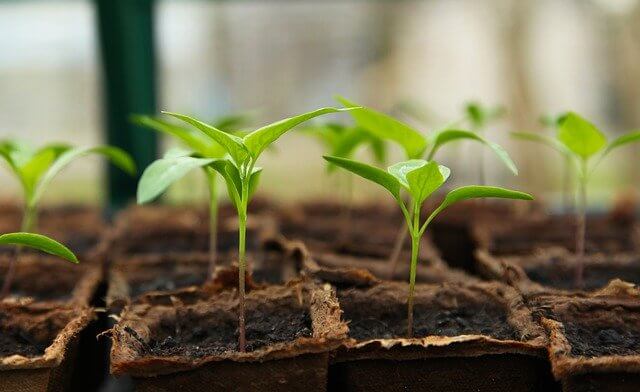
Pheno hunting (or "phenotype hunting") is the process of germinating several seeds from the same genetics, growing them in parallel, and selecting the one that best expresses the characteristics you're looking for. That winning plant is known as the keeper, and from that point on, it's preserved through clones to grow it identically again and again.
The idea stems from a simple biological reality: each seed is genetically unique. Even though ten seeds come from the same packet and the same parents, they won't produce ten identical plants. Just like siblings in a family share parents but aren't identical, each seed combines its parents' genetics in a different way. The genotype is that genetic information; the phenotype is how it manifests in the actual plant, also influenced by the environment.

Why do Pheno Hunting?
The main reason is variability. Especially in modern hybrids, which cross very different lines, the differences between sister seeds can be enormous: one might have a spectacular aroma and another be flat; one might produce twice as much as its sister; one might be mold-resistant and another surrender at the first sign of humidity.
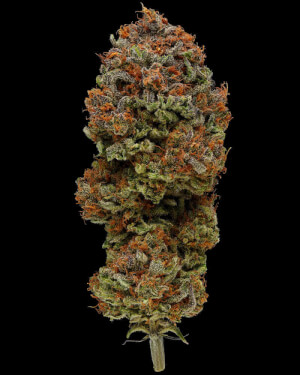


Doing pheno hunting allows you to find that exceptional plant that might only appear once in ten, twenty, or a hundred seeds. Additionally, once you have it, you gain consistency: by working with clones from the same mother, each harvest is predictable, without the lottery of starting from seed every time. It also gives you unique genetics that nobody else has exactly the same, and it's the essential foundation if you ever want to make your own crosses.

Succeeding in phenotype hunting
Choose the genetics and number of seeds. The more seeds, the better your chances of finding something outstanding. A hobbyist can start with 10 or 15; professional breeders hunt among hundreds or even thousands. F2 genetics and polyhybrids usually show more variation (more risk, but also more possibility of gems), while more stable lines give more homogeneous results.
Label and document everything. Each plant needs a number from day one, and it's advisable to keep a record with photos and notes: germination date, vigor, structure, incidents. Without good records, pheno hunting becomes guesswork.
Grow under equal conditions. To compare fairly, all plants must receive the same substrate, light, watering and treatment. If one plant is in a better position than another, you won't know if it stands out because of its genetics or its luck.
Observe during the vegetative phase. Differences are already visible here: growth speed, distance between nodes, leaf shape, branching, resistance to pests or stress. It's a good time to discard clearly weak plants.
Take clones from each candidate before flowering. This is the most important step and the most often forgotten. Real evaluation can only be done at the end, after harvest, but by then the plant no longer exists. If you didn't keep a clone, you'll have found your keeper... and lost it. Label each clone with the same number as its mother.
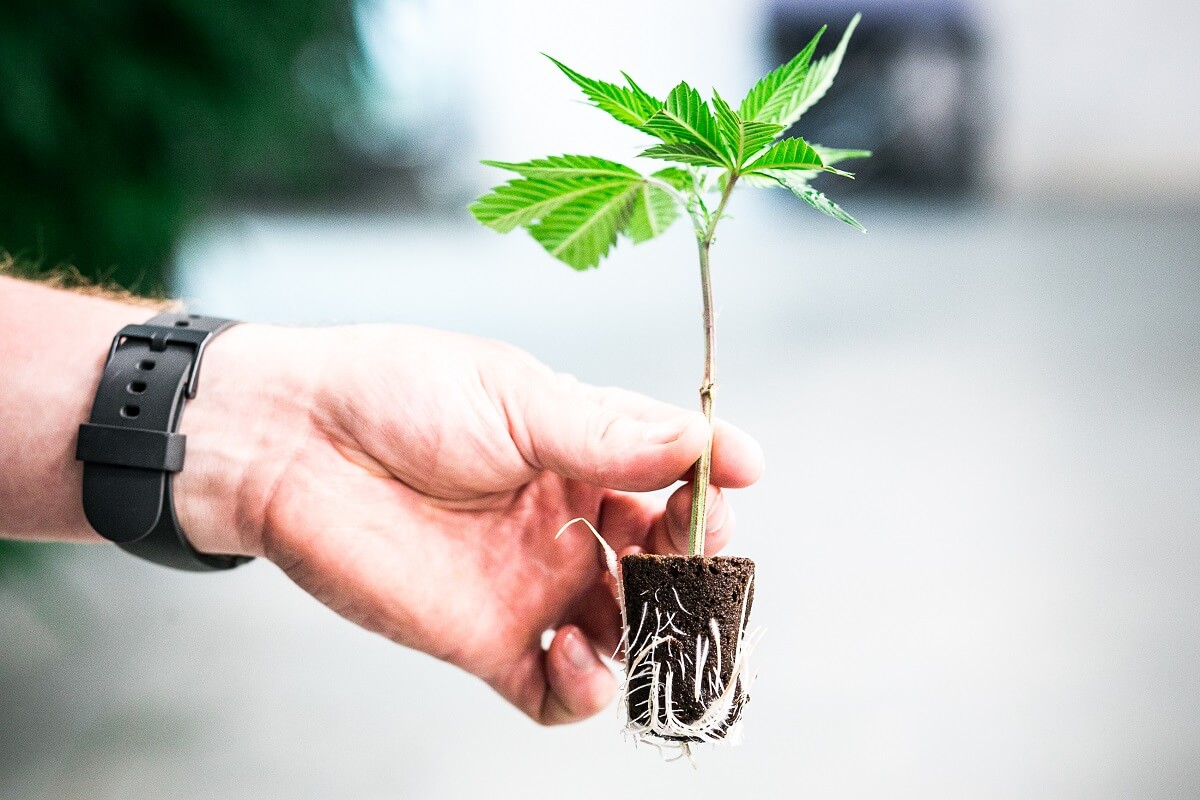
Cannabis is an excellent plant for asexual reproduction. It roots very easily and is an ideal plant species to perform propagation by cuttings. We only need a small greenhouse, scissors, rooting hormones, a small amount of substrate and fluorescent lights. Of course, we also need a quality motherplant to take the cuttings from. Let's see which is the process and the needed temperature and humidity levels to successfully root our marijuana cuttings in 10 easy steps.
Evaluate during flowering. Pay attention to resin production, flower structure and density, flowering time, and aroma (gently rubbing a stem is a classic way to capture the aromatic profile). Also watch for stability: any plant showing hermaphrodite tendencies should be discarded.
Evaluate after drying and curing. The final product changes greatly from the living plant. Here you assess actual yield, definitive aroma and flavor, and overall quality. If you want objective data, a laboratory analysis of cannabinoids and terpenes helps a lot in deciding between finalists.

Introduction to cannabis tasting
In this article we will introduce you in the exciting world of marijuana tasting, both organoleptic as psychoactive. From the moment we open the container with the sample until the last exhalation during the tasting, a torrent of sensations perceived by the five senses invade our body. What we will try here is to classify and to note down these sensations evaluating them according to the taste of each one. What better way to pay tribute to the buds of that we have been taking care for months?
Do a second round. A single harvest can be deceiving. Ideally, grow the clones from the two or three best candidates again to confirm that their performance is consistent and not the result of a lucky streak.
Preserve your keeper. Once chosen, maintain that plant as a mother to continuously take clones from. Some advanced growers also preserve it through tissue culture, to protect it from diseases or losses.
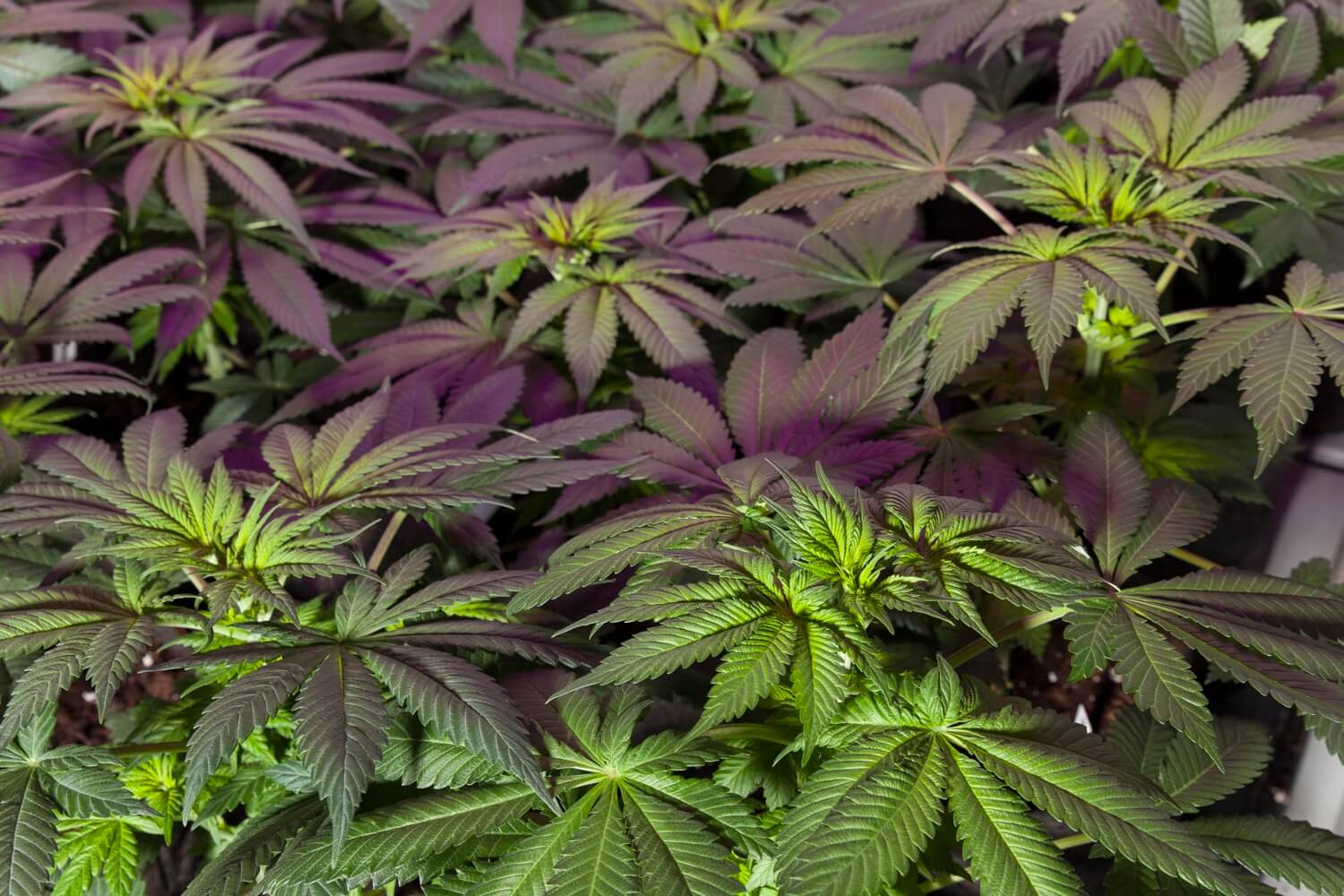
Selecting cannabis mother plants
Choosing a good mother plant is not easy, especially if you have very specific goals in mind. To make it simpler, this article covers the main factors that are usually considered when selecting a mother plant; which, as you will see, can vary a great deal depending on the type of grower.
Obtaining the perfect genetics with Pheno Hunting
Pheno hunting requires space, time, and patience: you'll probably discard most of the plants you grow. But the reward is having genetics that you know inside out, that behave predictably, and that are, in a way, uniquely yours. For many growers, that moment of finding the keeper is the most exciting part of the entire process.

What about you? Are you used to searching for the perfect phenotype in your grows? Don't hesitate to share your experiences in the comments!