
 Seeds























 Growshop
 Nutrients








 Extractions
 CBD
 Magic Mushrooms
 Headshop
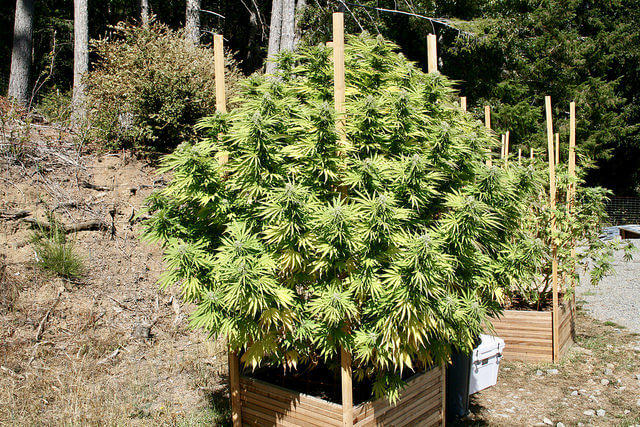


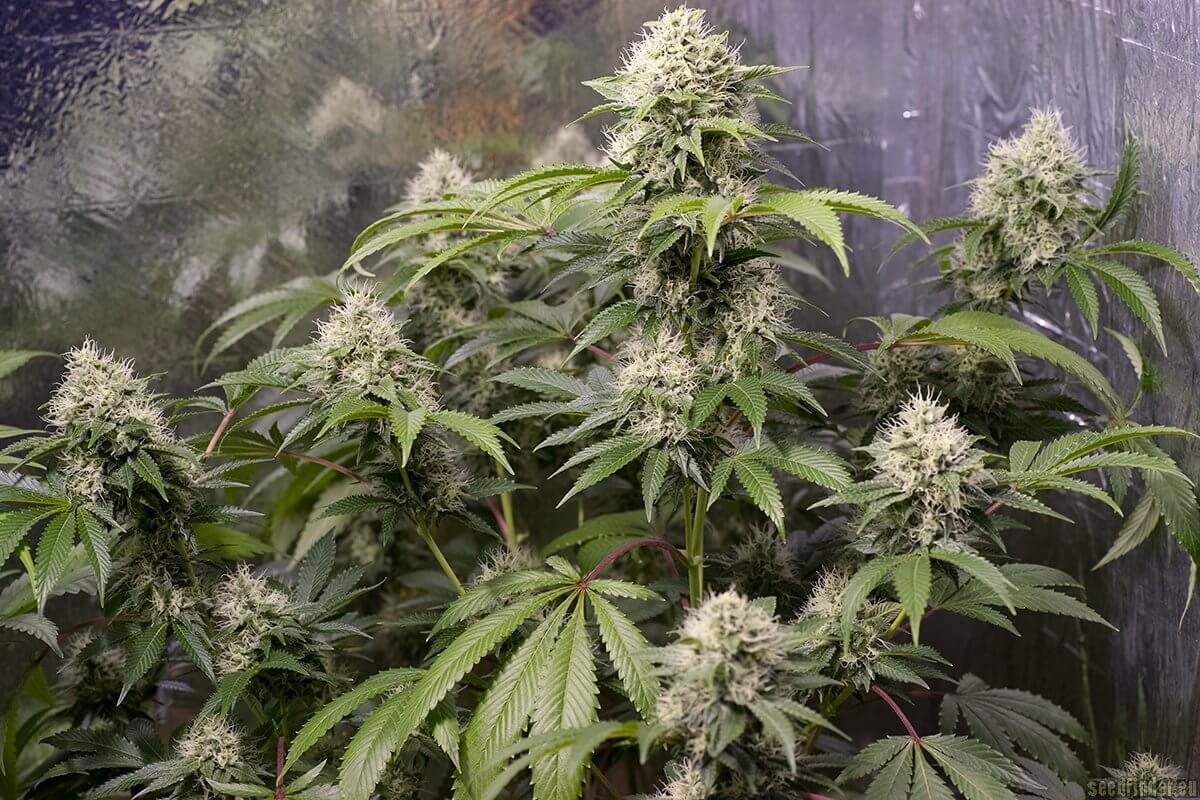
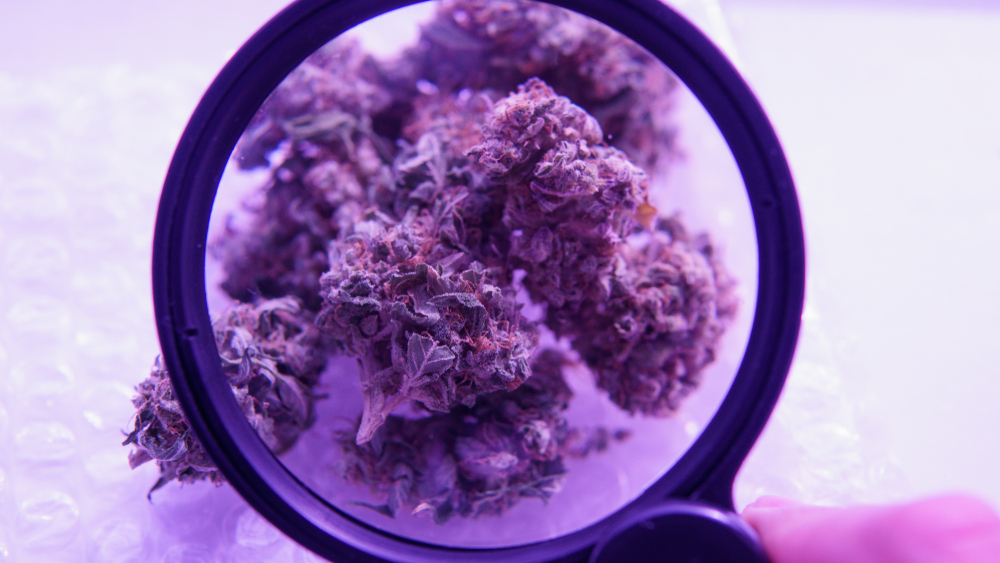
Few things generate as much nostalgia among cannabis veterans as the strains from the 60s and 70s. Those who tried them often repeat the same phrase: "there's no weed like that anymore." And in many cases they're right, though not for the reasons they think. It's not that today's weed is worse, it's that those specific plants stopped being cultivated, were mixed with others, or got stuck in some grower's freezer who ended up arrested. This article reviews, based on specialized media and breeders' own accounts, the history of the most legendary cannabis strains considered extinct or, at the very least, lost in their original form. For each one we'll see where it came from, why it became famous, what made it disappear, and what remains of it in today's market. In search of lost cannabis strains It's worth warning from the start: in the cannabis world the line between history and legend is very thin. During decades of prohibition, no one kept genetic records, names were used as marketing tools, and much of what's considered "official history" has been built through word of mouth. Throughout the text we'll point out which facts are reasonably documented and which belong to the realm of myth.