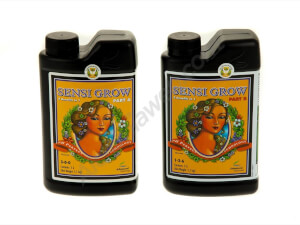
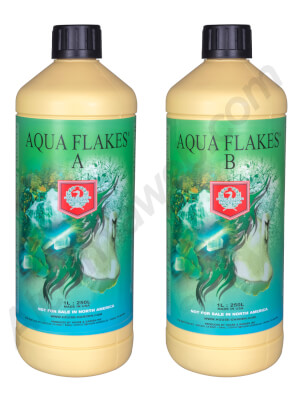
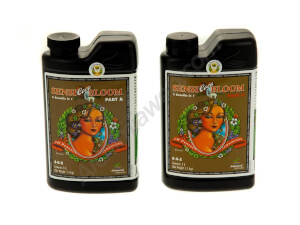
What are hydroponic fertilizers, and why are they so important?
In hydroponic and aeroponic growing systems, plants grow on inert media such as clay or rock wool, which do not naturally contain nutrients; they merely act as a support mechanism for the plant. Therefore, it is essential to provide all the nutrients through the nutrient solution, using specific fertilizers formulated for these environments. These hydroponic fertilizers contain a precise ratio of soluble macro- and micronutrients, ensuring rapid and efficient assimilation by the roots.
Advantages of growing with hydroponic fertilizers
Hydroponic growing offers complete control over plant nutrition, allowing for precise adjustment of nutrient, pH, and electroconductivity (EC) levels. As a result, plants can focus their energy on vigorous growth and produce more abundant harvests than in traditional media. Furthermore, root oxygenation is superior, thanks to hydroponic substrates' ability to retain moisture without saturating the environment. Plants can mature faster, and it's a much cleaner system than soil.
Who are these fertilizers ideal for?
Hydroponic fertilizers are designed for demanding growers seeking maximum yields and complete control. They are suitable for both hydroponic and aeroponic systems, NFT (Nutrient Film Technique), DWC (Deep Water Culture), and vertical tower systems. They are used by companies licensed to produce THC.
What types of products will you find in this category?
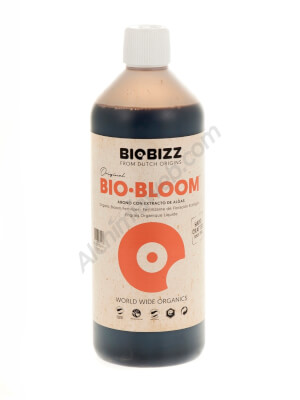
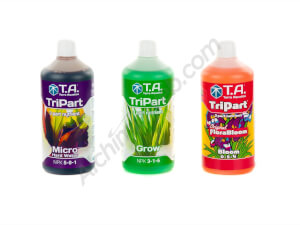
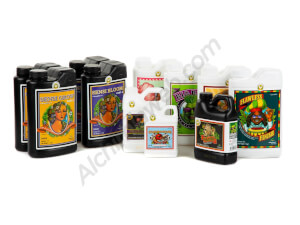
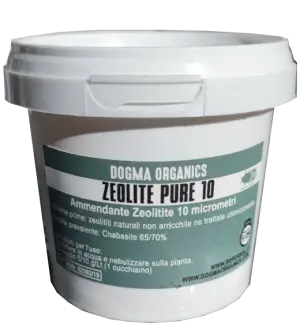
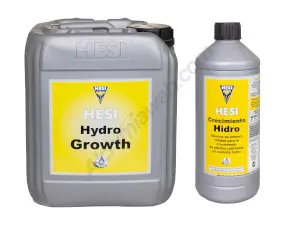
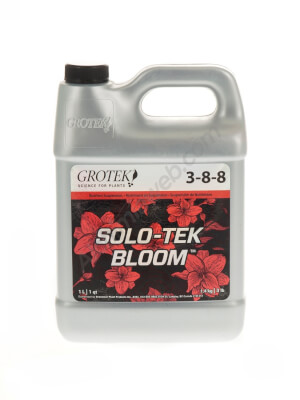
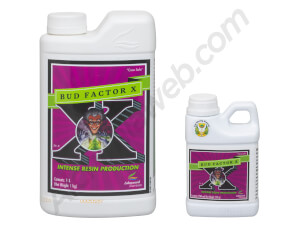
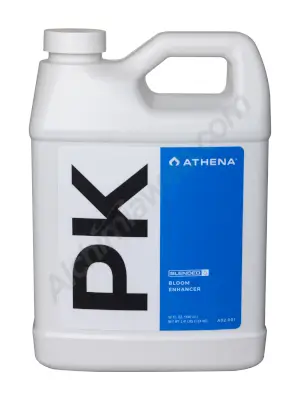
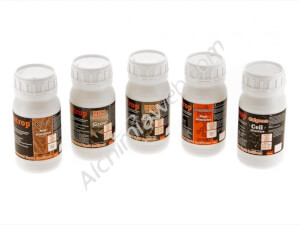
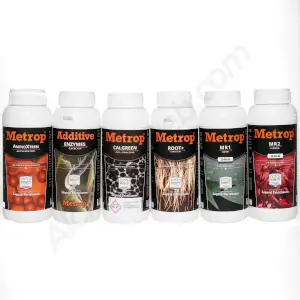
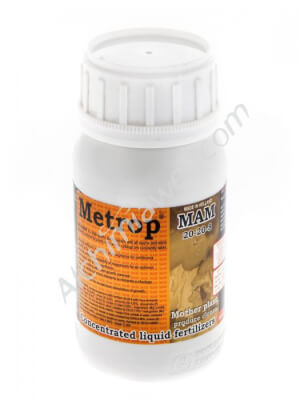
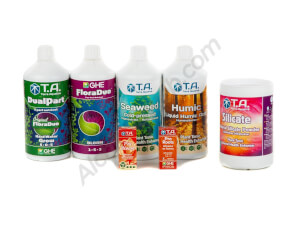
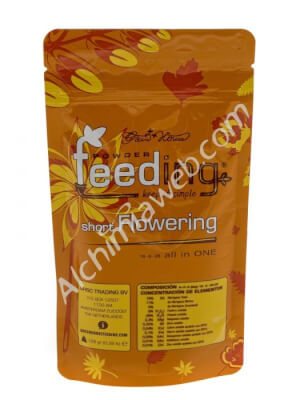
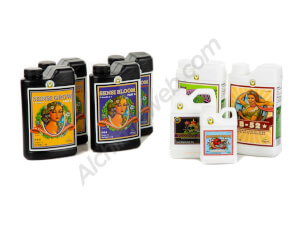
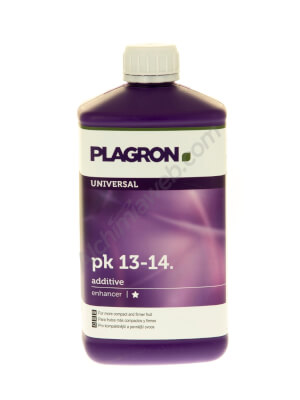
In addition to base nutrients (valid for growth and flowering), here you can find a wide range of PK supplements, enzymes, pH correctors, and specific additives to stimulate root formation, improve cell structure, and increase terpene production. We work with leading brands such as Advanced Nutrients, Canna, General Hydroponics, Hesi, and House & Garden, specialists in hydroponic fertilization.
Frequently Asked Questions About Hydroponic Fertilizers
Can I use soil fertilizers in hydroponics?
This is not recommended. Conventional fertilizers are formulated for soil or organic substrates, while hydroponic fertilizers are designed to dissolve completely and be absorbed precisely by the roots in inert media. Soil fertilizers also often clog hydroponic/aeroponic irrigation systems.
What parameters should I monitor when using these fertilizers?
It's essential to adjust the pH and EC of the water after adding nutrients. This ensures that plants can properly absorb the necessary elements without deficiencies or excesses.
Can these fertilizers be used in aeroponics?
Yes, hydroponic fertilizers are fully compatible with aeroponic systems (they are practically the same), as both require a perfectly balanced nutrient solution.
What advantages does hydroponic cultivation have over traditional cultivation?
It allows for greater crop control, faster development, and explosive flowering. It also optimizes space and resources. It's usually harvested a few days earlier and is much cleaner than soil. It's very important to start with osmosis or quality water.
What other products are recommended for hydroponic cultivation?
In addition to the base nutrients, it is common to use PKs during flowering, enzymes to keep the system clean, and root and flowering stimulants.


 Seeds
Seeds
























 Growshop
 Nutrients








 Extractions
 CBD
CBD
 Magic Mushrooms
 Headshop