




















What are aphids?
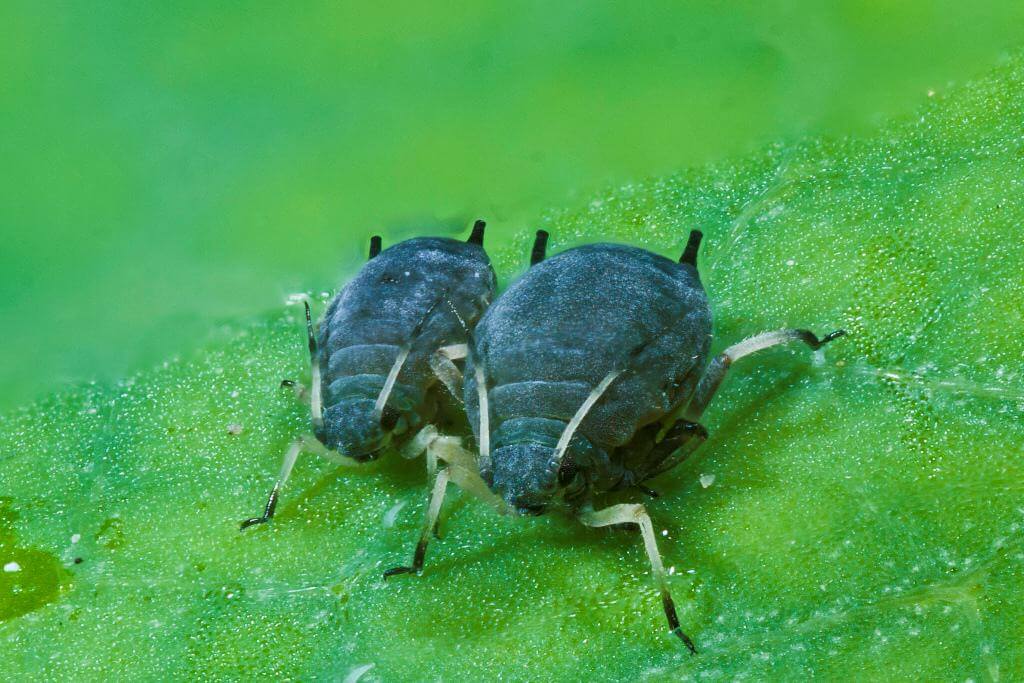
What are aphids?
Almost any cannabis grower has had to deal with some type of pest at one time or another. Pests and diseases can be carried by vectors, living organisms that carry insects, spores or viruses without even noticing and spread them around, thus affecting nearby plants. Normally, humans, animals and other plants carried by humans are the most commonly found vectors.
If we want to have a crop free from these annoying plagues, we should follow a number of simple steps: prevention, identification, managment and eradication. Some of the pests affecting marijuana plants can be devastating if not treated early, so proper prevention of these potential threats is crucial. Also, as soon as we observe any problem, we should quickly identify its source: is it an insect? A mold? A virus?
In this post we'll elaborate a brief list of the most common pests and diseases in cannabis plants and tell you how to prevent and get rid of them.
Insects, mites and marijuana plants
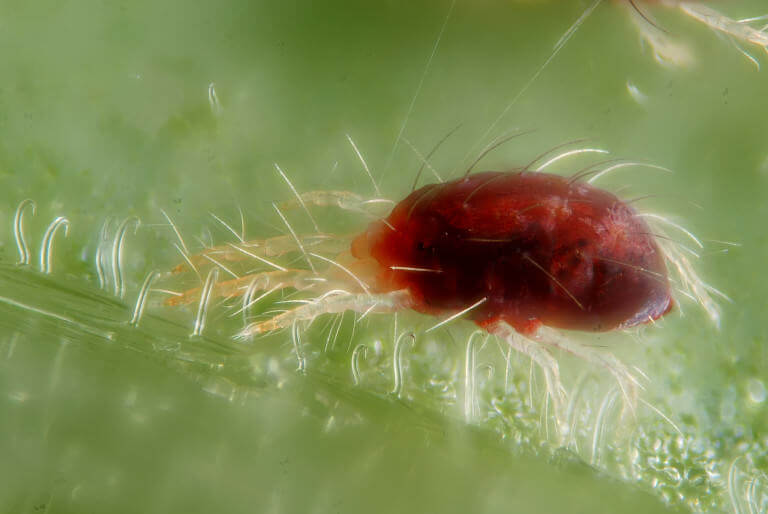
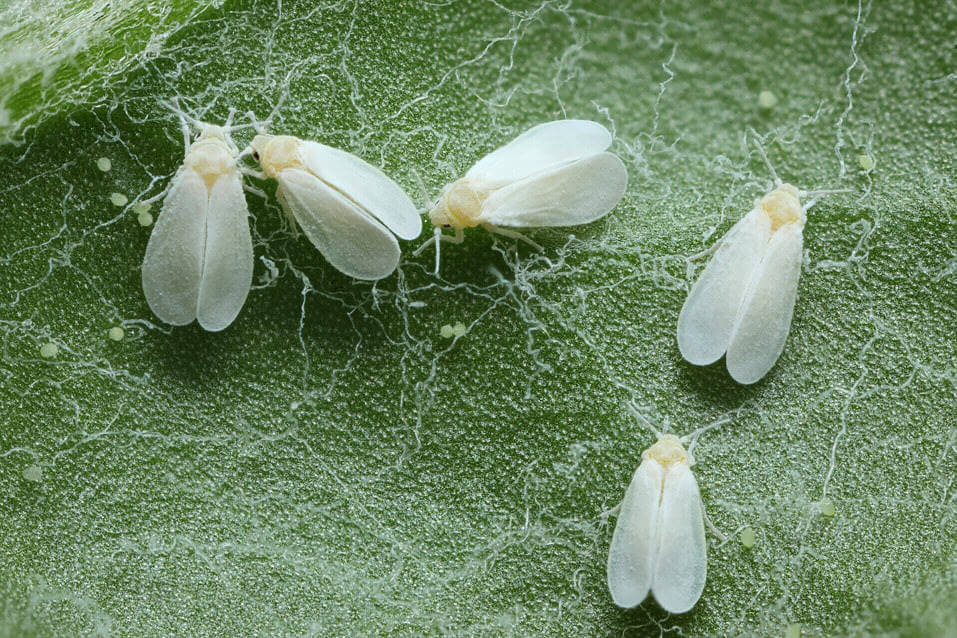
There are literally hundreds of insects and mites associated with cannabis. For this reason, we'll only take a look at the most commonly found pests in our beloved plants.
What are viruses?
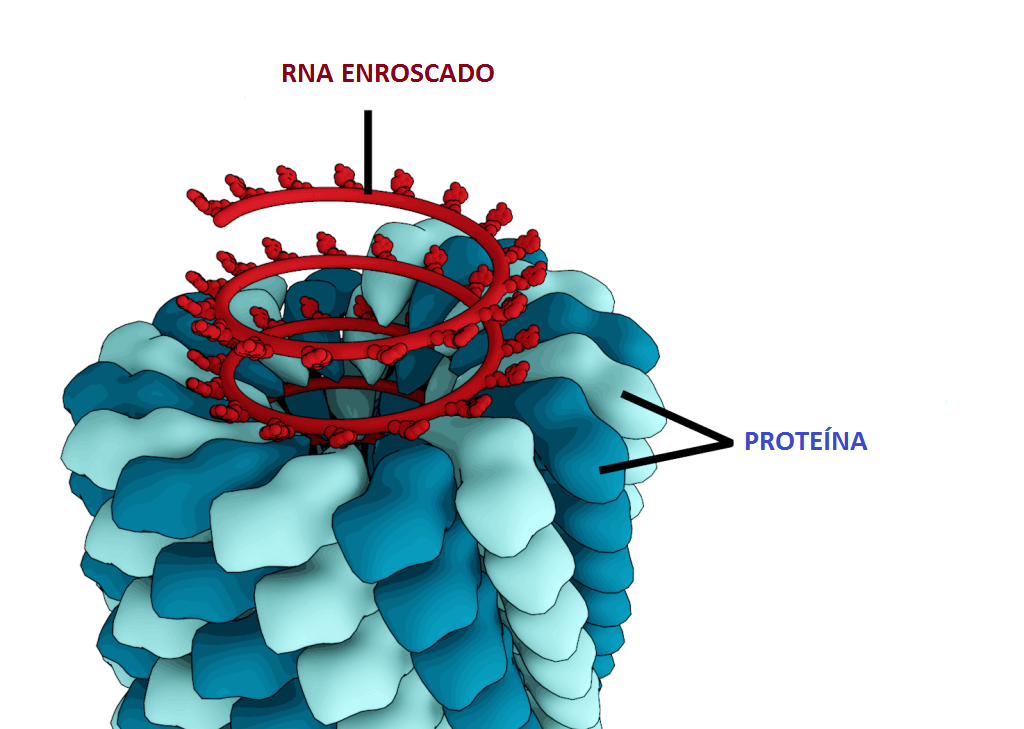
The origins of viruses are still unclear. We can find three main theories explaining their origins and evolution: the Regressive hypothesis - viruses were once small cells that parasite larger cells that lost part of their genetic material over time - the Cellular origin hypothesis - viruses would have formed from bits of DNA or RNA coming from larger organisms - and the Coevolution hypothesis - viruses would come from protein molecules and nucleic acid.
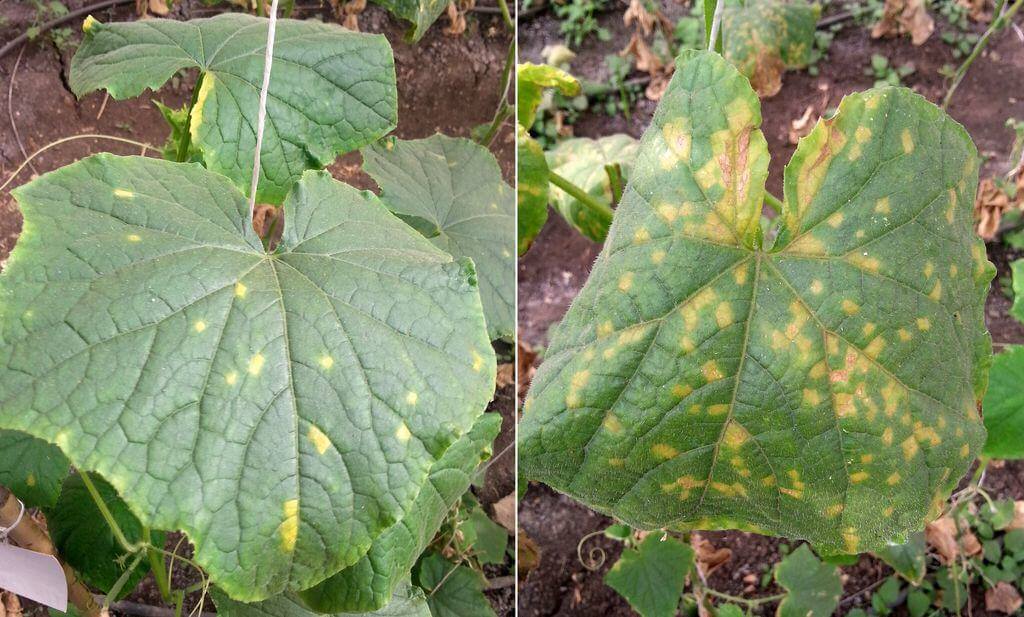
Basically, plant viruses are intracellular parasites that can't replicate without a host (cell). We know much less about plant viruses than we do about their animal counterparts. We know about few viruses which attack cannabis plants, although they can quickly devastate a crop. One of these viruses is the Tobacco mosaic virus (TMV), the first virus ever discovered; the disease was first identified by Adolf Mayer in 1886. In 1898, Martinus Beijerinck replicated Dimitri Ivanovsky's (1892) experiments and used the term of "virus" to indicate that the cause of tobacco mosaic disease was not bacteria.
Most of the plant viruses we know are specific for certain species, which means they need certain types of host cells to replicate, thus being limited to a few host species. Still, there are several viruses that can attack a vast range of species, which are the most aggressive ones.
The different varieties of marijuana share many pests and diseases that can also affect other plant species. These vary depending on the cultivation method and the region.
Intensive farming, and its new technologies, have caused the proliferation of many different pathogens and parasites in farms all around the world. The use of pesticides and herbicides has greatly transformed conventional agricultural methods and techniques. Learning about these different plagues and illnesses that affect marijuana can help us identify them and, therefore, combat them appropriately.
What is Botrytis?
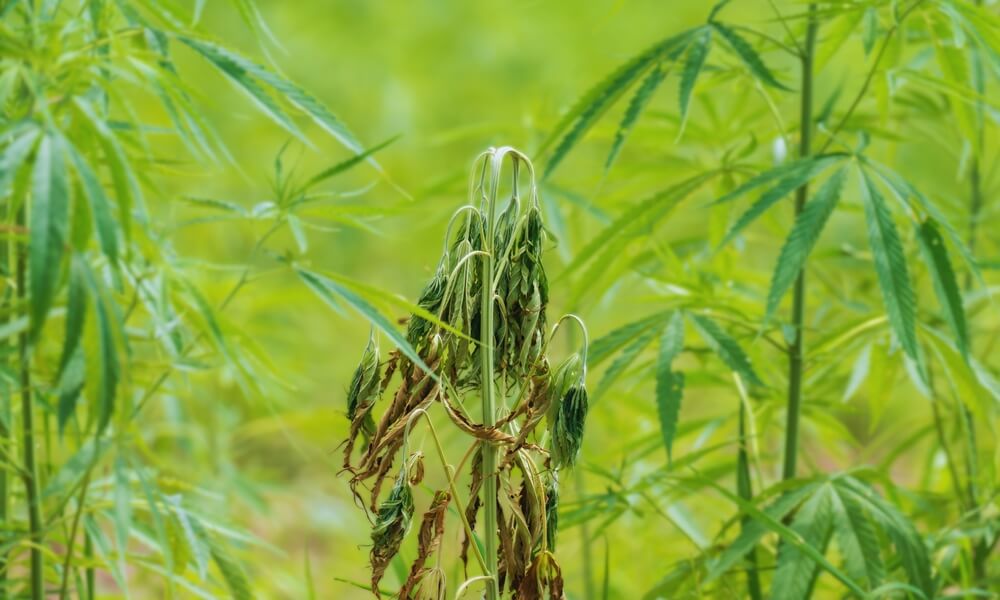
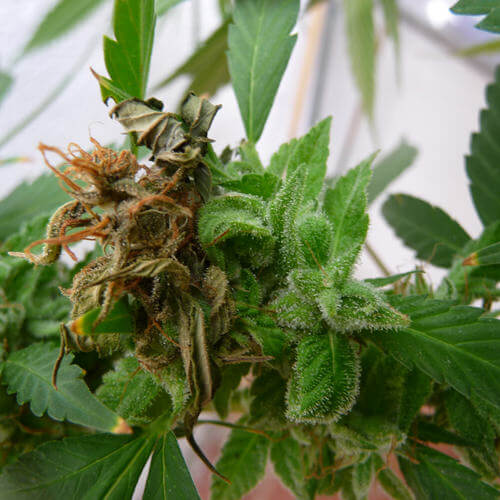
Botrytis or Gray Mold is a pathogenic fungus (necrotrophic) that affects more than 220 plant species, including marijuana. Actually, it is probably the most common fungus in cannabis crops, either indoors, outdoors, or in greenhouses, and it usually affects plants during their latest stage of flowering, without forgetting the drying process.
The most important factor regarding the appearance of Botrytis is the humidity level, which is essential for its growth. The higher the environmental humidity level, the more chances for our plants to be attacked by fungal diseases and pests.
The ideal temperature for botrytis growth is between 17ºC and 25ºC, though it can grow with higher temperatures. A great difference between day and night temperatures can also stimulate the appearance of Gray Mold, for humidity levels raise when temperatures drastically drop at the end of the day.
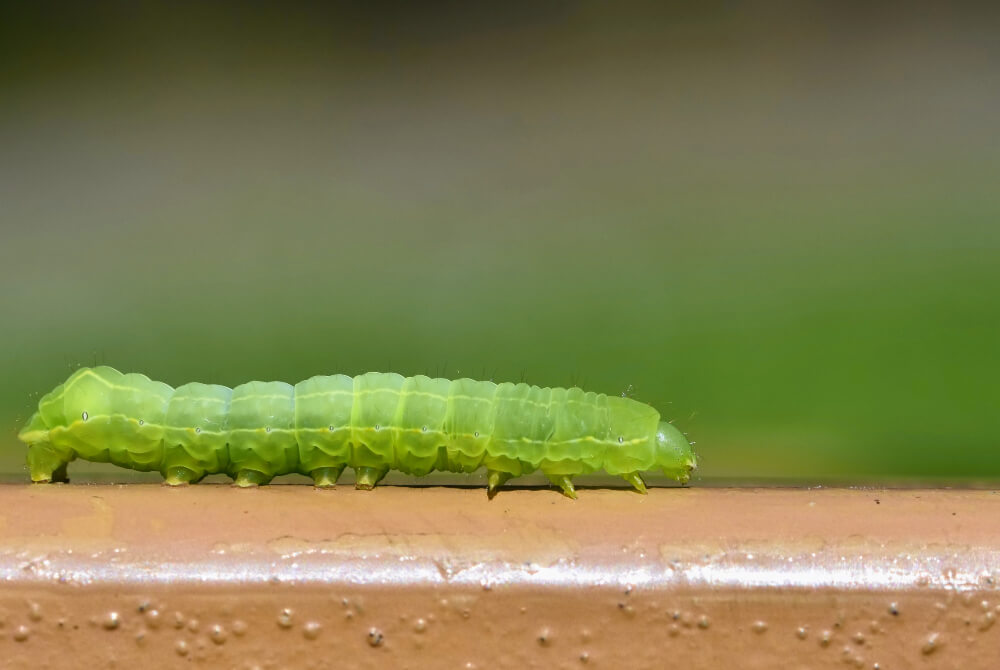
During the outdoor cannabis growing season many insects feed on our marijuana plants and can ruin the efforts of the last few months. In this article, we want to invite you to explore one of the most common and annoying pests that outdoor cannabis growers can face: caterpillars.
These small larvae can wreak havoc on cannabis crops, not only voraciously devouring leaves, buds, and flowers, but also promoting the appearance of the dreaded botrytis in those areas damaged by their bites. If you want to know how to protect your cannabis plants to obtain a successful and smooth harvest, today we will tell you everything you need to know about the prevention and control of this devastating pest.
About this Cannabis Blog
This is the official blog of Alchimia Grow Shop. This blog is intended exclusively for the use of adults over the age of 18 years.
To buy equipment for growing cannabis at home you can consult our catalogue of cannabis seeds, grow shop and paraphernalia