
 Seeds
Seeds























 Growshop
 Nutrients








 Extractions
 CBD
CBD
 Magic Mushrooms
 Headshop
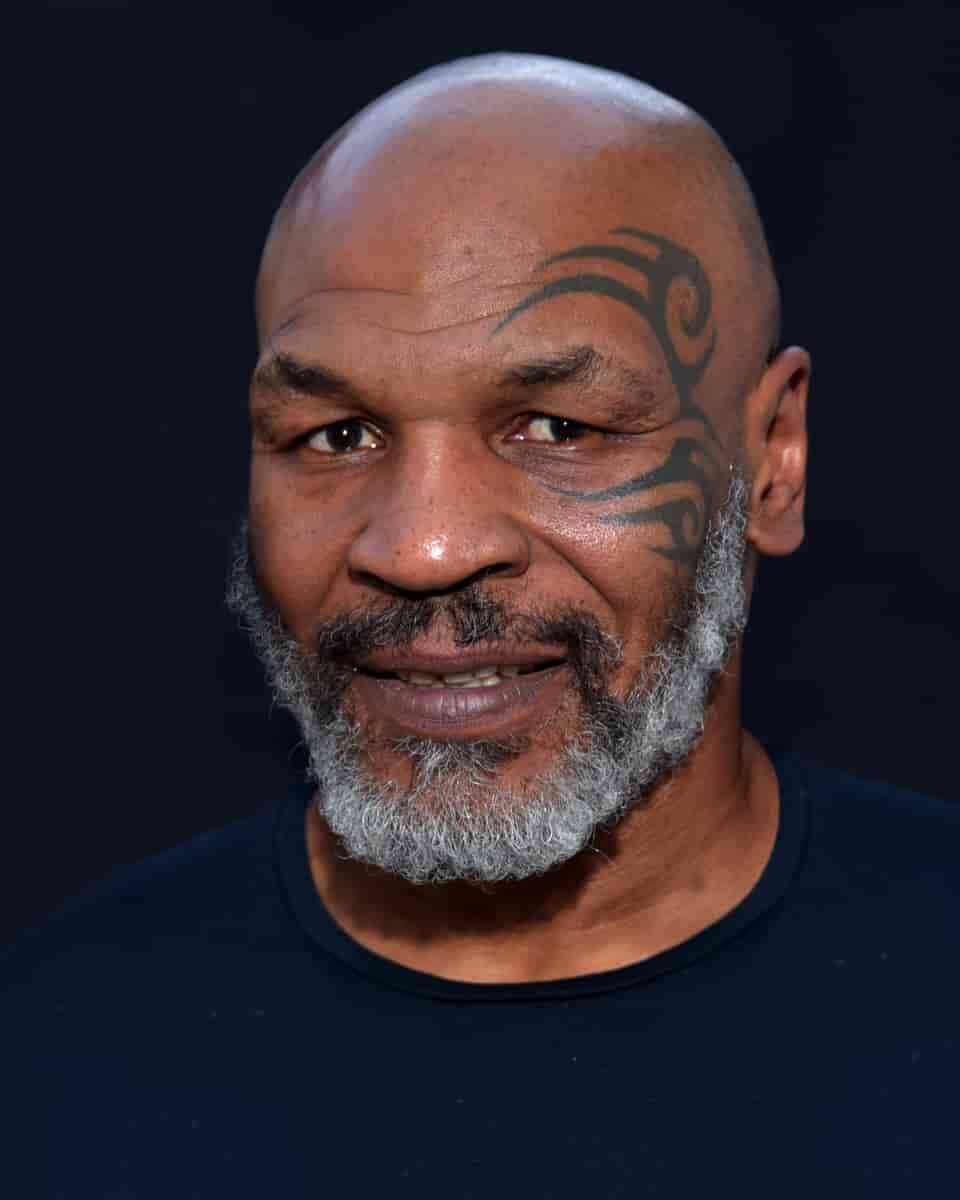
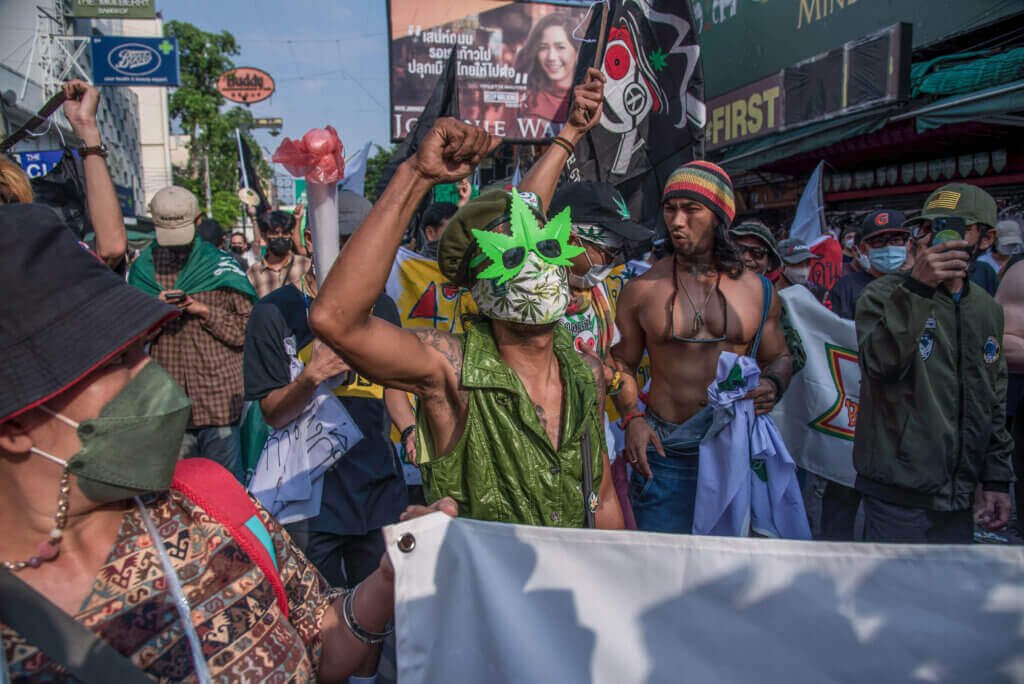
In the harsh world of the ring, Mike Tyson left an indelible mark as one of the most formidable boxers of all time, breaking records for precocity and, above all, exhibiting an aggressiveness and speed that was unusual in his category. However, beyond the glory achieved in the ring, Mike Tyson's life has experienced a curious transformation marked by an unexpected connection: cannabis. Today we want to invite you to explore the relationship between this legendary ex-boxer and the world of cannabis. From his personal experience to his foray into the cannabis industry and his businesses, Mike Tyson's story with the plant not only tells us a lot about his evolution as an individual but also about the growing acceptance and changing perception around it. marijuana in today's society, especially in the United States.