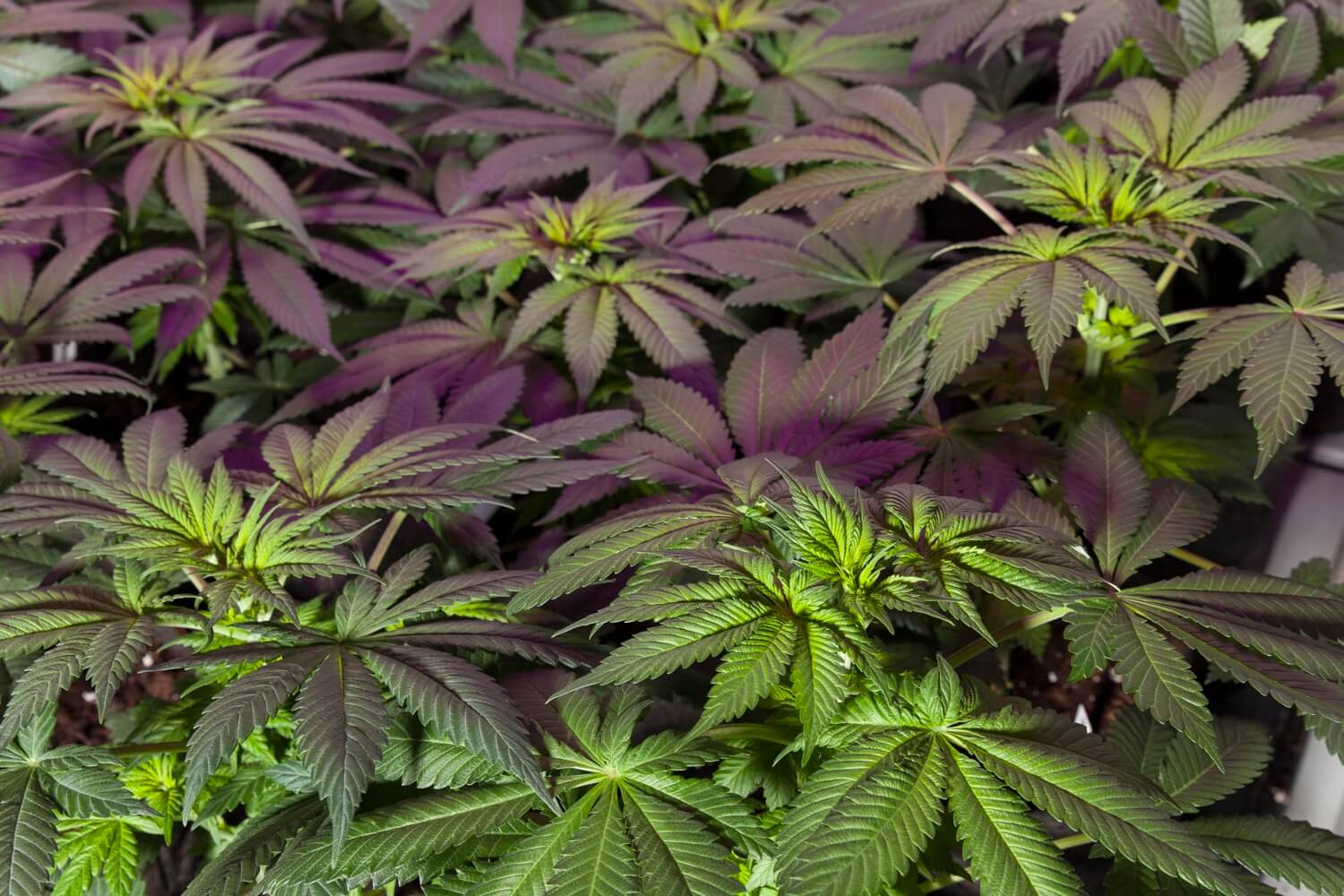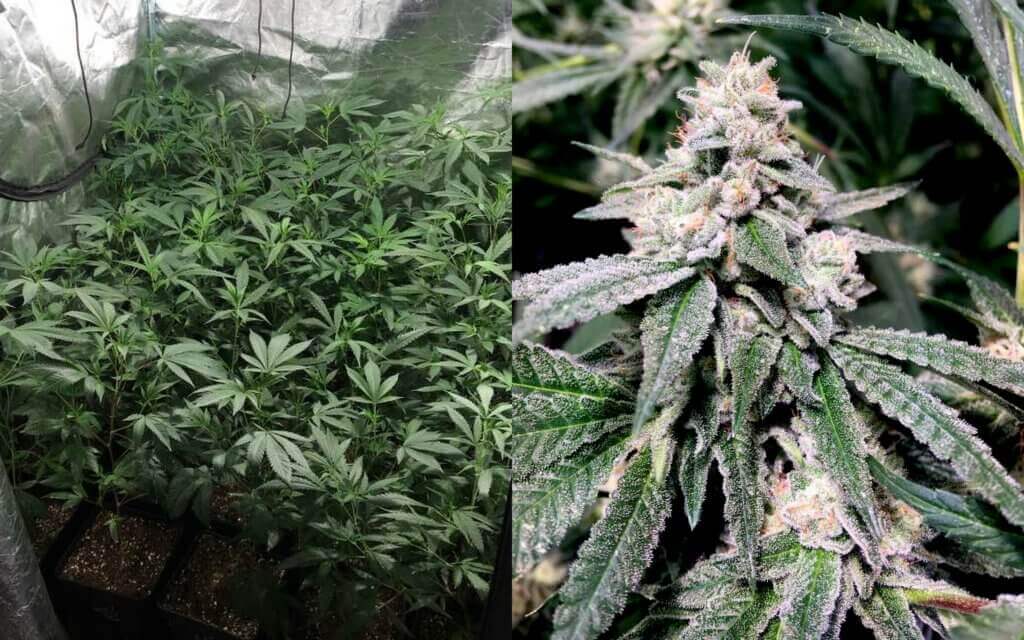





















Water is essential to life; without water, nothing thrives, but like everything else, too much of a good thing can be harmful. Today we?re going to explain how overwatering affects cannabis plants during their life and different stages.
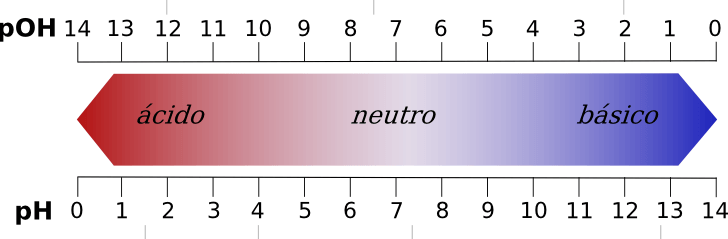
The key to successful cannabis growing lies in proper plant nutrition. It's true that every environmental factor should be adequately laid down in order to maximize the outcome of your crop: air exchange, type of lighting, temperature, humidity, etc. However, it would be pointless to choose a complete and balanced range of fertilizers if you are not taking into account the pH of the nutrient solution, or in other words, the acidity or alkalinity level in the feed you are giving to your plants.
To ensure proper nutrient uptake through the plant's root system, each macro and micronutrient in the marijuana feed must be administered with regard to a particular acidity value (pH), otherwise the absorption won't be adequate. This factor is very important to make the most of the fertilizers and to prevent nutrient deficiencies and overfeeding problems, thus obtaining a bountiful harvest.
You're probably aware that the hormones we humans produce can have a marked effect on our behaviour, metabolism and physical development, but it's not just us that do this, it's a common trait to almost all other organisms, and even plants synthesize hormones too. Over the course of a plant's life cycle, almost all aspects of its activity, of its growth and its development, are controlled by these organic chemicals that the plants naturally produce for themselves, and which we call phytohormones.
These plant hormones not only regulate the morphology and metabolism of plants but also determine how the plants respond to environmental factors such as stress and physical damage caused by weather conditions, pests or pathogens. In this article, we'll take a look at the most common phytohormones, the effects they have on plants, and some ways that gardeners can harness the huge potential of natural plant hormones to their own benefit.
Flushing your cannabis plants
Cannabis is one of the few plants in the world, together with the vine, which contains a large number of terpenes. When mixed, these terpenes generate new flavours and smells that caress the taste buds like candy. To obtain this type of flavour and enjoy buds of the best quality, you must make sure the plants are nutrient-free at the moment of the harvest.
If the plants have an excess of nutrients in their metabolism, the organoleptic properties of the buds will be ruined by the high amount of salts accumulated in them. When combustion takes place, it will release harmful particles that, aside from leaving a bad and very unpleasant taste in your mouth, could make the joint spark due to the excess of mineral salts.
What are the roots?
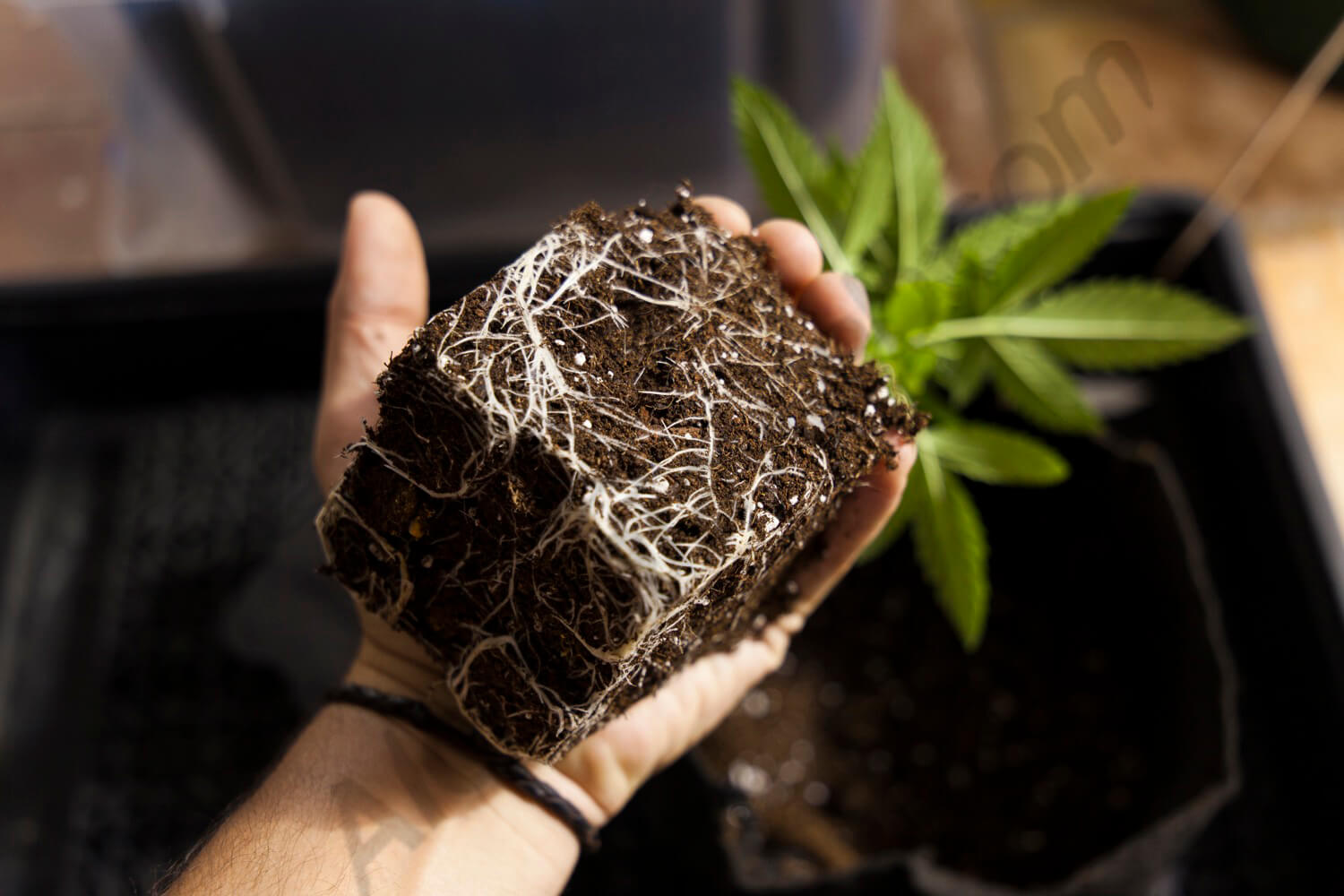
The roots are the first organ of the plant to come into direct contact with the surrounding growing medium after germination. Most plants have three types of roots: the main tap root and the fibrous roots, which grow into the ground, and are often invisible to the naked eye; and adventitious roots, which can sprout from the aerial parts of the plant, such as the stem, and grow towards the substrate.
The cannabis plant has all three types, but the adventitious roots are less common and only grow in environments with high and steady humidity levels. The ability to produce adventitious roots is what makes cannabis so suitable for propagation via cloning.
When we talk about photoperiod, we mean the daily hours of light and darkness that any given living organism receives, while photoperiodism refers to the physiological reaction provoked by the length of day or night, and the way it affects the behaviour and development of these plants and animals.
In botany, each subspecies has its own specific photoperiod, but plants can be classified into three groups: short-day plants, long-day plants and day-neutral plants. Cannabis is a short-day plant (with the exception of Cannabis Ruderalis autoflowering varieties), which means that it needs long nights with over 12 hours of uninterrupted darkness to trigger flowering.
In the plant world, both the light intensity as well as the daily hours of light/darkness determine the biological functions of organisms, such as seed germination, growth, flowering and maturing processes. In this way, the development of plants can be activated or suppressed depending on lighting conditions, meaning that, for example, most plant species are unable to flourish unless they receive a certain number of hours of darkness.
A common mistake among many beginner indoor cannabis growers is that of not changing lightbulbs often enough, so while the first few crops are a roaring success, later grows, despite having all the same parameters, don't produce anywhere near the same quantity of buds. Why might this be? On many occasions it's because you are using a grow lamp with far too many hours of use behind it.
High intensity discharge bulbs, such as HPS, HM or CMH/LEC are, with use, gradually diminishing the amount of light emitted, so (although at first glance we may not realise it) after several crops we can find bulbs that are delivering half the lumens than when we first fitted them. In addition, at each phase of its development, the plant will require a maximum and a minimum of lumens to grow and flourish in a normal way.
In this article we will see how to use a light meter to measure how much light is emitted by our lighting systems, as well as the ideal range of light intensity for each phase of our plants development.
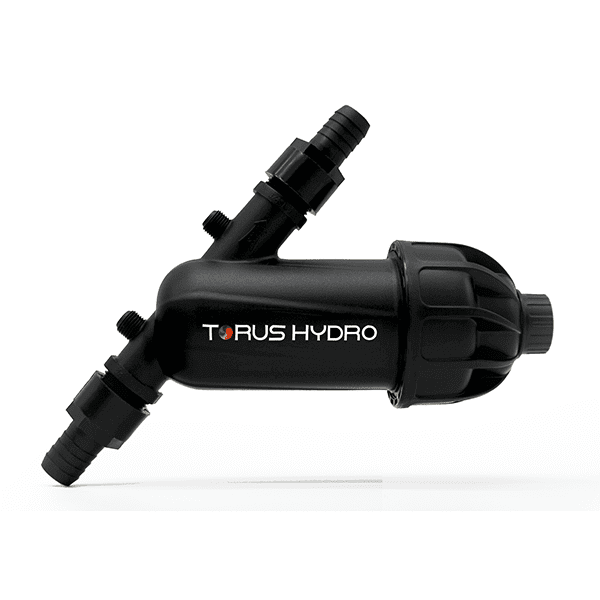
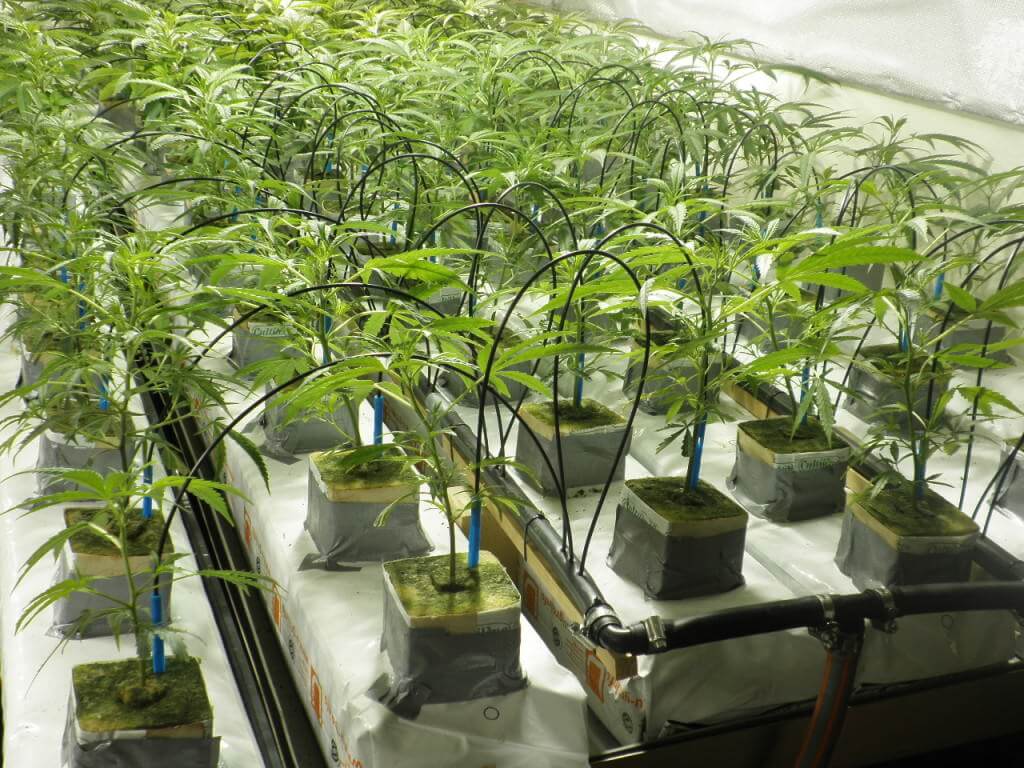
Growing cannabis with automatic irrigation
Cultivating cannabis is an art in which each grower uses their best techniques and their own knowledge, as well as different growing apparatus that can help to manage the growing environment or as in this case, the automatic irrigation of cannabis plants.
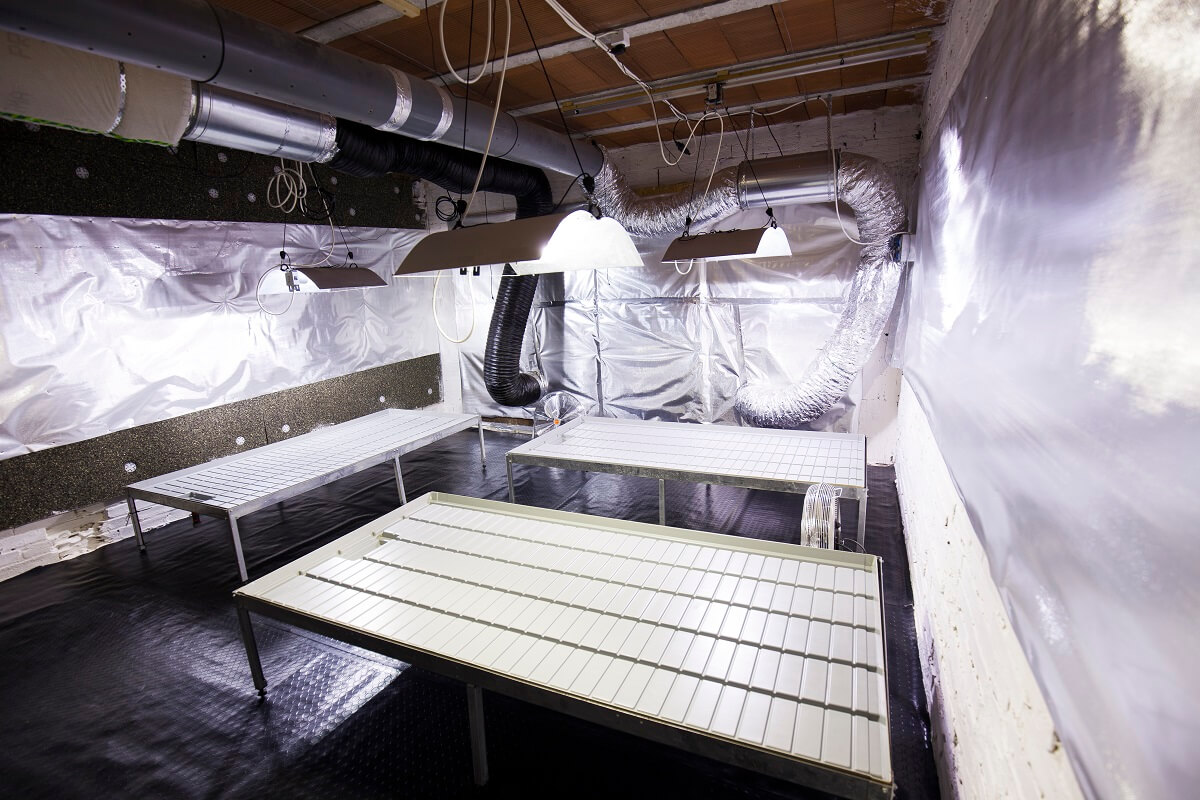
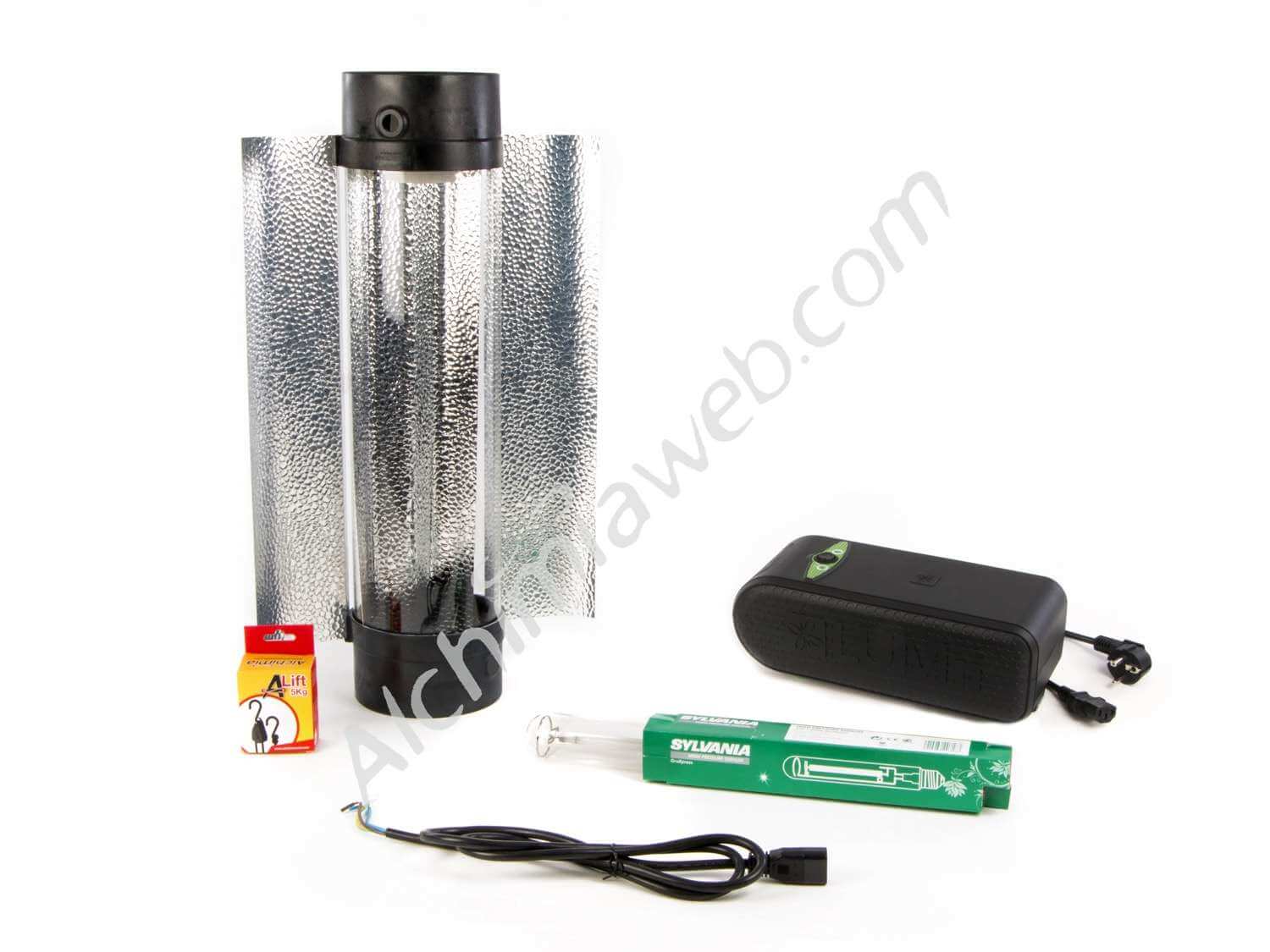
How do we light our cannabis growing space?
When we decide to set up an indoor cannabis grow for personal use at home, there are many factors to take into account if we want to get the best results, but one of the most important to consider is the type of light and its power consumption.
When deciding on the type of light to use, we must keep in mind that each technology has its different advantages and disadvantages with respect to growing cannabis. Certain types of bulbs will offer the best yield (lumen per watt) but at the same time they are a considerable heat source that can cause problems to many growers, especially those that live in particularly warm climates or are only able to grow cannabis in small spaces.
On the contrary, other types of illumination emit almost no heat at all, although often the high price of this kind of lighting, combined with its lower effectiveness when compared to other systems, combine to make them less popular. They are, however, indispensable to the many indoor growers that can only cultivate cannabis successfully thanks to the low heat emission of these lights.
Causes of death in cannabis plants during the growth period
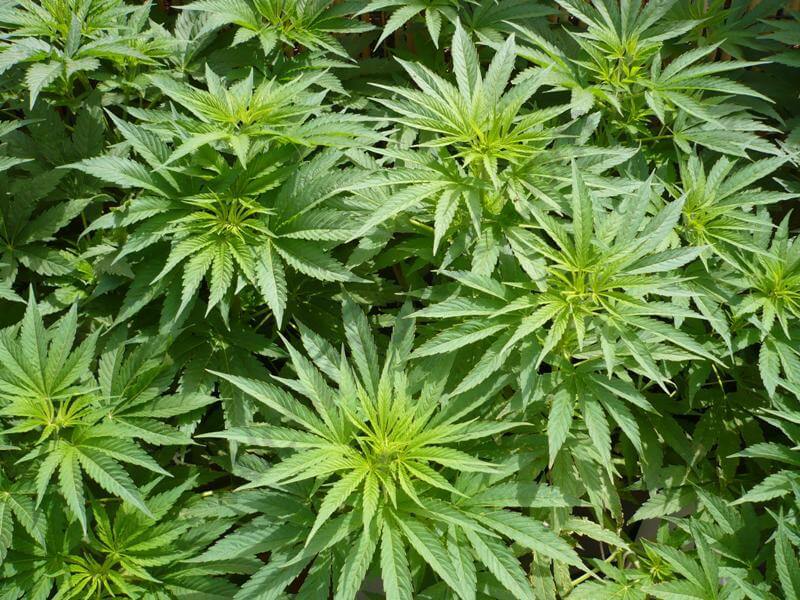
The vegetative growth of cannabis plants can be one of the longest periods of cultivation when growing outdoors - or indoors - where in, for example the countries of southern Europe they enjoy a lengthy spring and summer. During the course of this growth phase, problems can arise that may lead to the death of the plant even before the flowering stage begins.
Let's see what are the most frequent causes of death during the plants' growth period and what we can do to avoid a premature, unhappy ending.
Carbohydrates or sugars in the cultivation of cannabis
Carbohydrates are a group of compounds that include sugars, starches and cellulose among many other substances. These are formed by carbon, hydrogen and oxygen.
They are vitally important compounds for both plant and animal life. They perform vital functions so that plants can develop healthily and problem-free in all stages of their life and also serve as a source of food for the animals that feed on plants.
The use of humic and fulvic acids is becoming increasingly popular among all types of cannabis farmers, who can now take advantage of a healthy, rich and living soil that produces happy plants and therefore abundant harvests. Thanks to this substances, nutrient uptake and management are much more efficient, and root growth is simply spectacular.
Either if you're using organic soil or hydroponic systems, using humic and fulvic acids is a very easy way to ensure the best possible conditions for the roots of your plants. Indeed, it is especially recommended in hydroponic cultivation since these types of growing media do not contain nutrients nor microbial life. In this way, you get the most out of the nutrient solution that you've carefully prepared for your plants.
In this series of posts, we're taking a comprehensive look at a range of techniques used by growers to shape cannabis plants and facilitate cultivation. Pruning and training are essential tools to control the way our plants grow, whether to restrict height, maximize yields or as a management tool for the indoor cultivator trying to control multiple varieties in one grow space.
When discussing these techniques, we can essentially split them into two basic types of methods:
EC meters are a very useful tool when growing cannabis since they allow growers to have full control over the nutrition of their plants. Today, with tens of nutrient brands offering their own formulations, it may be difficult to find the correct dosage for your plants, especially when nutrients or additives of different brands are mixed. Well, with the help of an EC meter you can easily check the exact amount of nutrients contained in your nutrient solution, which, as you'll see in this article, makes things a lot easier.
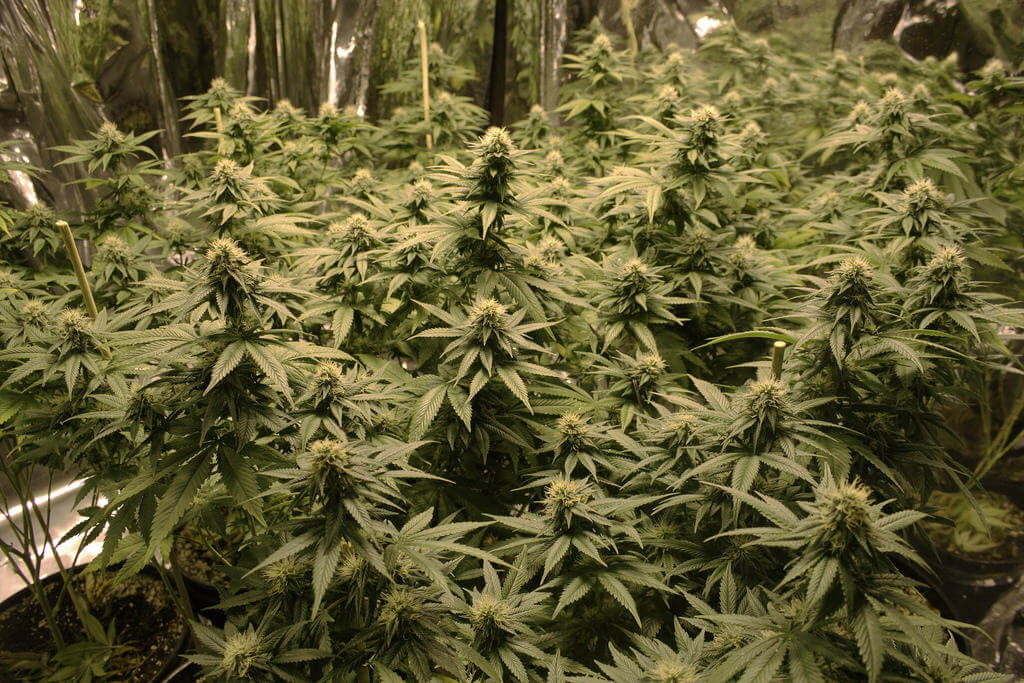
Cannabis plants go through different stages of life before reaching harvest. These stages are: germination, pre-growth, growth, and flowering. Depending on the phase of life, the care and feeding required can vary greatly, in this case, we're going to focus on the flowering period of cannabis and the changing nutritional demands upon our plants.
Cannabis plants have a remarkable capacity to adapt to the environment they grow in, a great advantage for us growers as it frees us to select the type of substrate best suited to our needs from the wide range available on the market that serve perfectly as growing media for cannabis.
In this post we will look at the different substrates and the variants of each of them, highlighting the fertilisers to be used and the peculiarities of each substrate, enabling you to choose the one that best suits your needs, whether it is for ease, production, quality , or simply because you want to innovate or try new cultivation techniques.
About this Cannabis Blog
This is the official blog of Alchimia Grow Shop. This blog is intended exclusively for the use of adults over the age of 18 years.
To buy equipment for growing cannabis at home you can consult our catalogue of cannabis seeds, grow shop and paraphernalia