
 Seeds
























 Growshop
 Nutrients








 Extractions
 CBD
 Magic Mushrooms
 Headshop
List of contents
- Jelly Hash, a super-concentrated resin
- Origin of Jelly Hash, Amsterdam, Morocco or both?
- The Modernization of Jelly Hash
- What extracts can you use to make your homemade Jelly Hash?
- The best strains for making Jelly Hash
- Materials needed to make Jelly Hash at home
- How to make homemade Jelly Hash step by step
- Extra Tips for a Perfect Jelly
- A Delicacy with History
Have you ever seen a hash called Jelly on the menu of a Dutch coffeeshop and wondered what on earth that shiny, sticky mass was? You're not the only one! Jelly Hash is one of those products that sparks curiosity in equal measure among beginners and veterans of the extraction world.
In this article, we'll explain what exactly it is, where it comes from, how modern techniques like BHO and Rosin have transformed it and, of course, how you can prepare your own homemade jelly from your harvest.
Jelly Hash, a super-concentrated resin
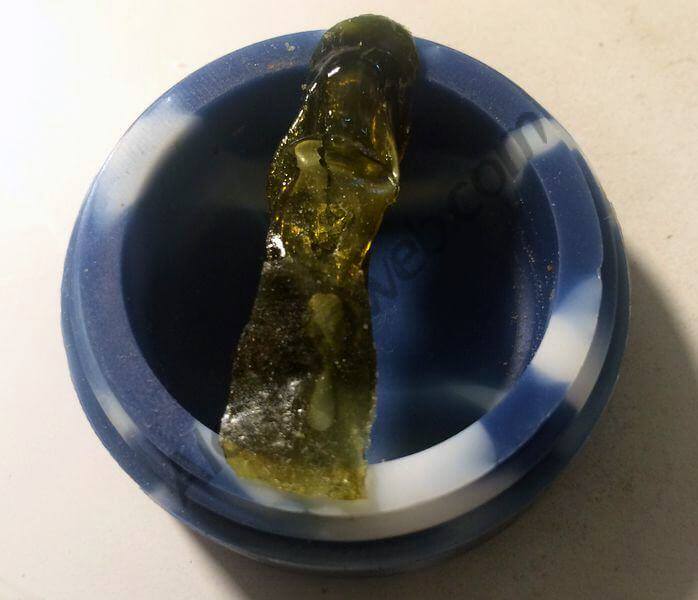
Jelly Hash is a hybrid concentrate that's born from mixing two types of extract: a resin hash (usually bubble hash or water hash, although dry-sifted pollen is also used) and a cannabis oil, whether obtained with solvents or without them. The result is a dense, unctuous and shiny paste with a texture that recalls, as its name suggests, a jelly or jam.

What's curious is that we're looking at one of the few products that combine in a single piece the solventless world (without solvents) and the world of extractions with solvents. The hash provides body and structure, while the oil acts as "glue" and enhancer. The benefit for you? A concentrate much more manageable than pure oil, which you can work with your fingers or with a silicone tool without ending up all sticky.
Furthermore, the mixture is usually more potent than each ingredient separately, since the oil elevates the cannabinoid concentration of the whole. And not only that: it also reinforces the terpene profile, those aromatic compounds responsible for smell and flavor, so each hit turns out more intense and tasty.
Origin of Jelly Hash, Amsterdam, Morocco or both?
Pinpointing the exact date and place of birth of Jelly Hash is complicated, because like so many other cannabis techniques, it emerged in a homemade way, in the back room and far from books. What is clear is that its great showcase was the coffeeshops of Holland, where even today it appears on menus as "Jelly" or "Jelly Hash", often described simply as a mix of bubble hash and hash oil.
Now then, could it have Moroccan roots as a way to add value to low-quality hash? This is a widespread hypothesis and has quite a bit of historical logic. Morocco has been for decades the major producer of hash destined for Europe, and the practice of "improving" mediocre batches by adding oil to give them shine, malleability and more potency is known in the sector. However, it's important to be honest: there is no reliable documentation confirming that Jelly Hash, as we know it, was born there. The most prudent thing is to speak of a practice that probably emerged in parallel at different points where there was hash and oil within reach.

Origins and evolution of Moroccan hashish
Traditionally, and before people started to grow their own pot in Spain, Morocco had become the main source of hashish for most European countries. While hashish production in Morocco dates back only some decades, since the 60s it has become - along with Afghanistan - one of the major world producers of this cannabis resin concentrate. In this article we tell you more about the origins of Moroccan hashish and the evolution experienced during the past years.
Precisely because of that past, Jelly Hash dragged a certain bad reputation for years. An "oiled" hash could hide poor raw material under a shiny appearance and powerful effects. Watch out for this! If you ever come across a product of dubious origin, remember that the final quality always depends on the quality of what is mixed, and that in the unregulated market nobody guarantees what oil has been used or whether it contains solvent residues.
The Modernization of Jelly Hash
The true revolution came in the early 2010s, when gas extractions, especially BHO (Butane Hash Oil, oil extracted with butane), experienced a real boom in the United States. Concentrates went from being a niche product to becoming stars of competitions, and at the High Times Cannabis Cups of those years, such as the Denver editions of 2011 and 2013, jellys made by dispensaries were already being presented among the competition products.

That change of scenery transformed everything. From revaluing regular hash, it shifted to mixing premium extracts: multi-star bubble hash with increasingly pure and aromatic oils. Jelly Hash stopped being "a workaround" to become a gourmet product, sought after by those who wanted the best of both worlds in a single piece.
The next chapter came in the mid-2010s with the explosion of Rosin, an extract obtained simply by applying heat and pressure to flowers, pollen or hash, without a single drop of solvent. What does this mean for you? That today you can prepare a "jelly rosin" 100% solventless, mixing water hash with rosin, without having to deal with gases or chemicals and obtaining a clean, flavorful product made with your own hands. A before and after for the home grower!

Rosin vs BHO...which cannabis concentrate is better?
Over more than a decade ago, the popularity of BHO had been constantly increasing until a few years ago, when a new way of resin concentration was born... Rosin. In this article, we explore and compare the two methods from the point of view of both consumer and producer, highlighting the main advantages and disadvantages of each technique.
What extracts can you use to make your homemade Jelly Hash?
The foundation of every good jelly is the resin powder. The reigning option is bubble hash or ice-o-lator, obtained by separating the trichomes with water and ice using filter bags with different microns. You can also use dry sifted pollen (dry sift), which is obtained by rubbing or shaking trim leftovers over fine mesh screens. The cleaner your hash is, meaning with fewer plant residues, the more brilliant, aromatic, and unctuous the final jelly will be.

For the oil component, our recommendation for home production is clear: Rosin. With a rosin press, parchment paper, and a bit of patience, you can obtain high-quality oil from your buds or your own hash. It's the safest, cleanest, and easiest route to control, and it guarantees you know exactly what's in your mix.
The best strains for making Jelly Hash
Not all genetics perform the same when making extracts. For a good jelly, you want very resinous strains, with large and abundant trichomes and, above all, with glandular heads that detach easily. This directly translates to more yield in your bubble hash washes and more generous rosin presses.
Traditionally, indica-based genetics and Afghan and Kush lineages have been the favorites of hash makers for their enormous resin production. Classic varieties like Critical, Kush, or Afghan descendants yield wonderfully, while modern genetics like Gorilla Glue or the Gelato family provide sweet, creamy, or sour flavor profiles that shine incredibly in a jelly. In our catalog, you'll find true stars designed precisely for extractions, selected for their resin yield.


A tip from us: also think about the aroma. Since jelly concentrates the terpenes from both extracts, a variety with a potent profile (citrus, fruity, gassy...) will be twice as noticeable. And if you want to get creative, you can mix the hash from one variety with the rosin from another to create your own flavor "blend". Who said there's no room for imagination in extractions?
Materials needed to make Jelly Hash at home
To prepare your jelly, you'll need, first of all, the two main ingredients: good quality hash (bubble or sifted kief) and rosin. A common proportion to start with is two parts hash to one part oil, although many growers work with equal-part mixtures to achieve a stickier and more potent texture. We encourage you to experiment until you find your ideal balance.
Additionally, you'll need parchment paper or PTFE sheets, a silicone mat or tool (rosin and jelly don't stick to it, which will save you a lot of trouble), and nitrile gloves to handle the mixture without contaminating it with the oil from your fingers. To provide gentle heat, you can use the plates of your rosin press at low temperature or, alternatively, a hair dryer.
Finally, prepare an airtight glass or silicone container to store the result. Order and cleanliness are key in any extraction: a clear space, clean utensils, and no rushing are the best guarantee of a competition-worthy jelly.
How to make homemade Jelly Hash step by step
The process is simple and, if you've already made rosin or bubble hash before, it will feel very natural. Always remember to work with gentle heat: the goal is to soften the extracts to mix them, not to "cook" them. Excessive temperature degrades terpenes and you can lose a good part of the flavor and aroma along the way.

- Prepare the surface. Place a piece of parchment paper on a clean and stable surface, and put on your gloves.
- Weigh the ingredients. Separate the amount of hash and rosin according to the proportion you've chosen, for example 2 grams of hash and 1 gram of rosin.
- Temper the hash. Spread the hash on the paper and apply very light heat until it begins to become malleable and somewhat shiny.
- Add the rosin. Place the rosin on the tempered hash. If it's very hard, heat it a bit so it becomes fluid and spreads better.
- Mix and knead. Fold the paper over the mixture and knead on top, or work directly with the silicone tool, until you achieve a homogeneous mass with uniform color.
- Shape and let rest. Form a ball or a small slab and let it rest for a few minutes to settle before storing it.
Do you see any lighter or darker streaks? Keep kneading a bit more. A good jelly should have a uniform, shiny, and elastic appearance, without lumps of dry hash. If it turned out too soft, add a little more hash; if it turned out very dry, a pinch more rosin will work wonders.
Extra Tips for a Perfect Jelly
The raw material is key. No matter how much care you put into the mix, hashish full of plant matter or rosin pressed at too high a temperature will never yield a spectacular jelly. Invest time in making good washes, dry your bubble hash well to avoid moisture (and with it, potential mold), and press at moderate temperatures.
As for storage, keep your jelly in an airtight container, in a cool, dry, and dark place. Heat and light degrade cannabinoids and terpenes, while cold helps maintain its full potential. If you're going to store it for quite some time, the fridge is a great ally.
And, of course, responsible consumption. Jelly Hash is a very potent concentrate, much more so than buds, so if you don't have experience with extracts, start with minimal amounts and give yourself time to see how it affects you. Remember, the idea is to enjoy, not to get an epic but unwanted high.
A Delicacy with History
From the trafficking of "oiled" hashish to the tables of Cannabis Cups, Jelly Hash has traveled a fascinating path that perfectly summarizes the evolution of extraction culture. Today, thanks to rosin and increasingly accessible solventless techniques, any grower can make a clean, flavorful jelly at home with the stamp of their own harvest.
We invite you to experiment with your favorite strains, play with the proportions to discover your own recipe, and share your experience in the comments.
Happy harvest and happy pressing!