
 Seeds
Seeds
























 Growshop
 Nutrients








 Extractions
 CBD
CBD
 Magic Mushrooms
 Headshop
List of contents
- Cultivable space and light power to use
- Why use an electronic ballast?
- Air extraction and renewal
- Humidity in cannabis cultivation
- The distance between the lamp and the plants
- Types of lights to use in a productive crop: HM (metal halides) and HPS (high-pressure sodium)
- LED lamps and cannabis cultivation
- Fertilizers for cannabis cultivation, top yields
- Cultivation technique to implement for maximum production indoors
- Clones or seeds for maximum production
- When to put the plants into flower?
- How to increase root mass so that nutrient uptake is optimal?
- Pruning for maximum production
- Nutrition of marijuana plants for maximum production
- The pH in the maximum production crop
Many clients ask us how to maximize indoor production to make it more profitable since the price of electricity does not stop increasing, and we want to optimize production to always have a full pantry.
There are many factors to take into account that we will discuss in detail to explain as best as possible how to turn a normal crop into a high-yielding crop.
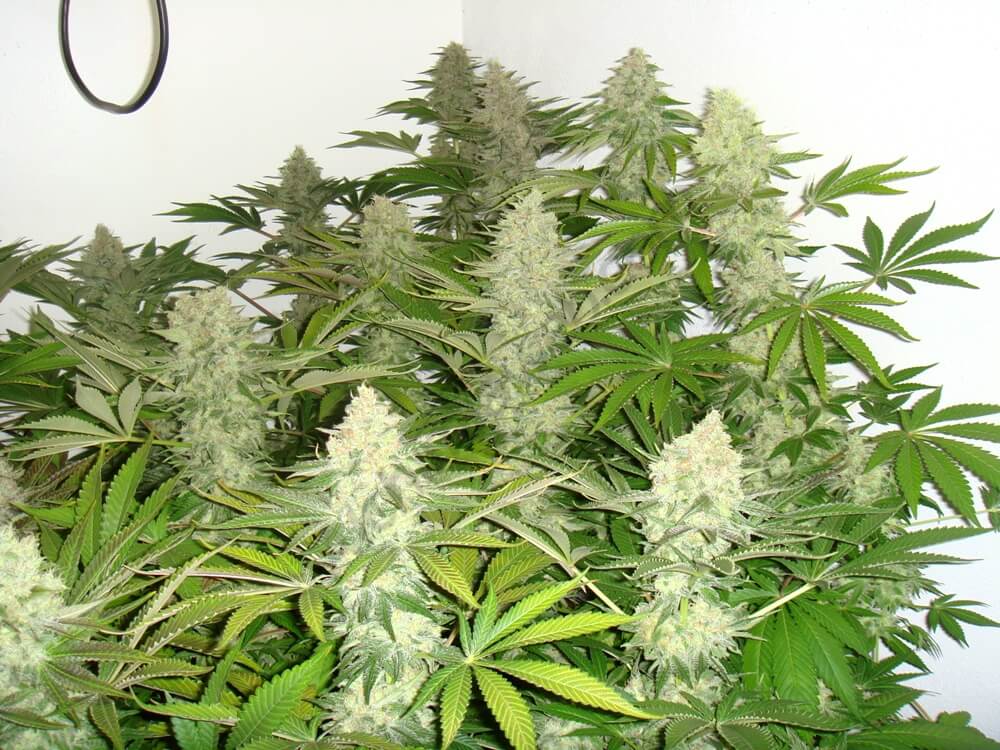
The first step we must take is to think about the approach to the crop that is going to be carried out. This approach includes the cultivable space, the number of plants, the cultivation techniques to be applied, the light power to be used, and the genetics or genetics of cannabis that we are going to use for cultivation, cuttings, or seeds. And a long etcetera more, but before starting to grow, you should also be clear about the mistakes to avoid when growing cannabis.


Cultivable space and light power to use
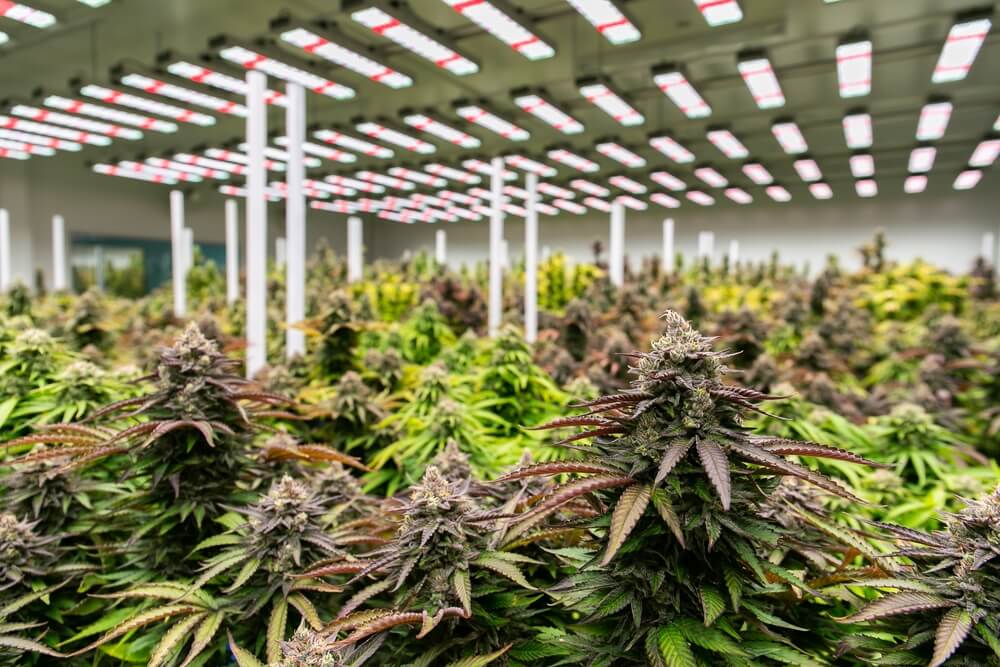
When we talk about a productive crop, we generally refer to obtaining the ratio of 1 gram to 1 watt, that is, 1gr = 1W. That is, if you use a 600w light bulb, you will obtain a production of 600g, even higher if you're using LED lamps.
The first step is to control the available space and the light power to be used. In this case, we must be clear that we must make the most of the light power and the cultivable space.
If we have a 600-watt light, the ideal is a growing room of 1.20m2 or even 1.40m2, since these scarce 20cm more per side will allow for a few more buds to fit, so it will always be easier to achieve the 1g/1w ratio.
If we have 400W, we should have a growing area of 1m2 or 1.20 x 1.20m, and if we have 250W, the optimal growing space would be 60x60 to 80x80cm, always better 80cm than 60cm.
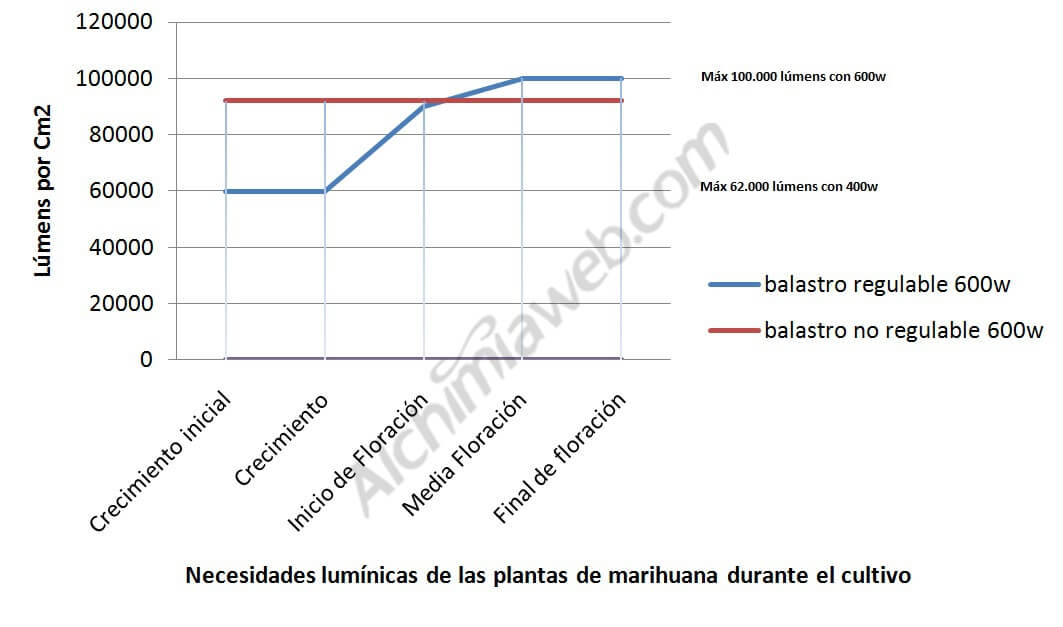
If you do not have lighting equipment, it is interesting to take into account dimmable ballasts that, apart from being able to reduce the power as desired, also incorporate the super lumen that offers a little extra power in the crop and that can be used in the weeks when the plant is facing floral expansion.
Why use an electronic ballast?
As we can see in the comparative graph between the two types of ballasts, the magnetic Vs the electronic one, we see that during the entire growth phase, there is an energy expenditure that one can save on the electricity bill without seeing significant changes in the growth of cannabis plants. It must be taken into account that the needs of plants when they are small are not the same as when they are larger. In this sense, we can say that the initial growth of cannabis plants can be supplied with 400W light.
We must also take into account the light reflector when growing marijuana, because although they all work well, some reflect the light better, making the most of the lumens of the bulb and making the crop more equitable. The development and production of the plants are very similar, distributing the same weight in all the plants and avoiding unbalanced growth in the corners of the crop.
We remember that it is very interesting to rotate the plants throughout the crop, especially during growth, to ensure that all plants develop equally. It must be taken into account that the plants that are directly under the spotlight will receive the light more instantly, growing more than the rest. We will exchange these with those that look smaller so that they end up with a similar size and structure.
If you want to get the most out of your crop, don't hesitate to try the LEC CMH lighting kits; you won't regret it! CMH LEC equipment, such as the Lumatek CMH Aurora 315w LEC, demonstrates higher production than HPS bulbs.
Air extraction and renewal
Before choosing or selecting the genetics to use in cultivation, one must be sure that temperatures and air renewal, as well as relative humidity, are controlled from the beginning. The fewer errors there are in cannabis cultivation, the better the results are.
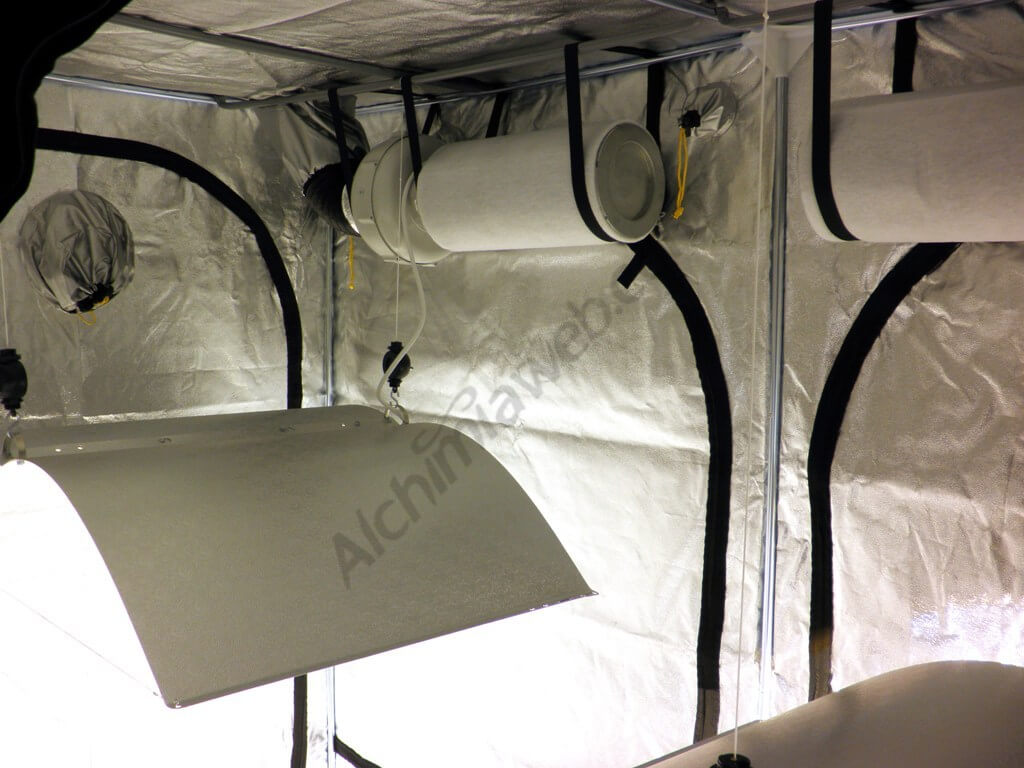
In this case, the air intake and air extraction system must be well prepared so that the temperature is always within an optimal range, but so must the humidity.
It is best to use some other temperature controller that helps us automate the entry and exit of air according to the assigned setpoint temperature. That is, if the optimal growing temperature is 20 to 28º then we must make sure that it is always within this optimal range, thus preventing the plants from becoming stressed. All types of stress on plants must be avoided.
Humidity in cannabis cultivation
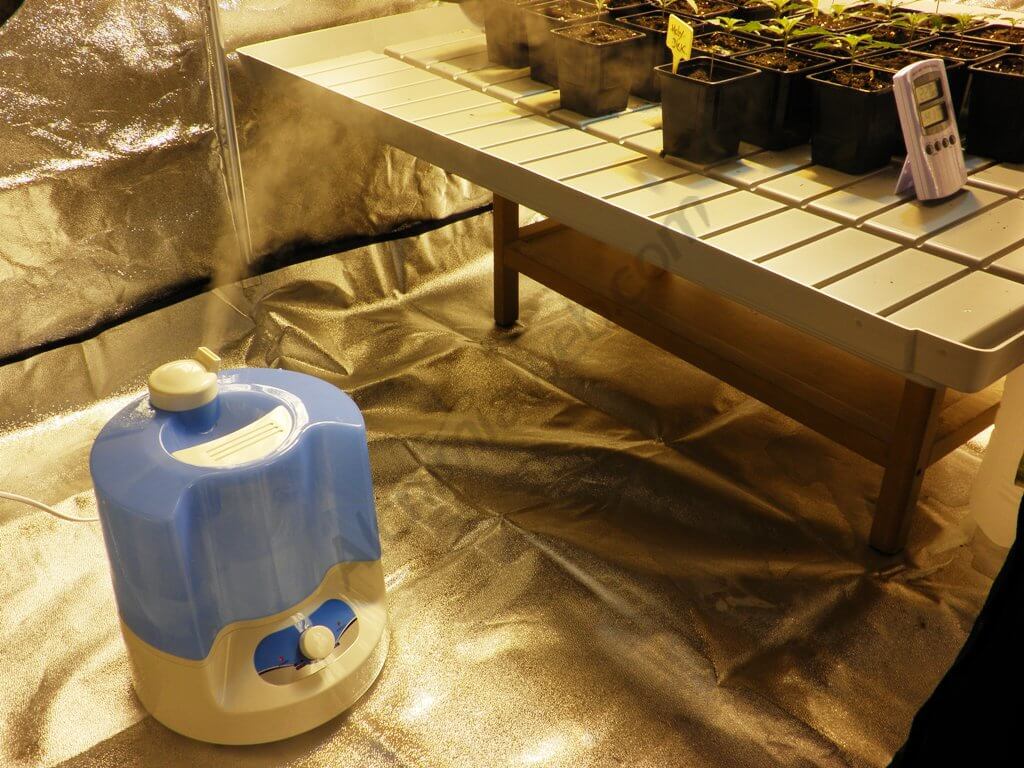
Humidity in cannabis cultivation is an important factor for maximum production since it must be adjustable according to the development phase. Well, a plant that is one week old is not the same as a plant in full bloom, as they will have different vital needs. In this case, we recommend having a humidifier and a humidity controller to be able to properly adjust the needs of the plants throughout the crop.
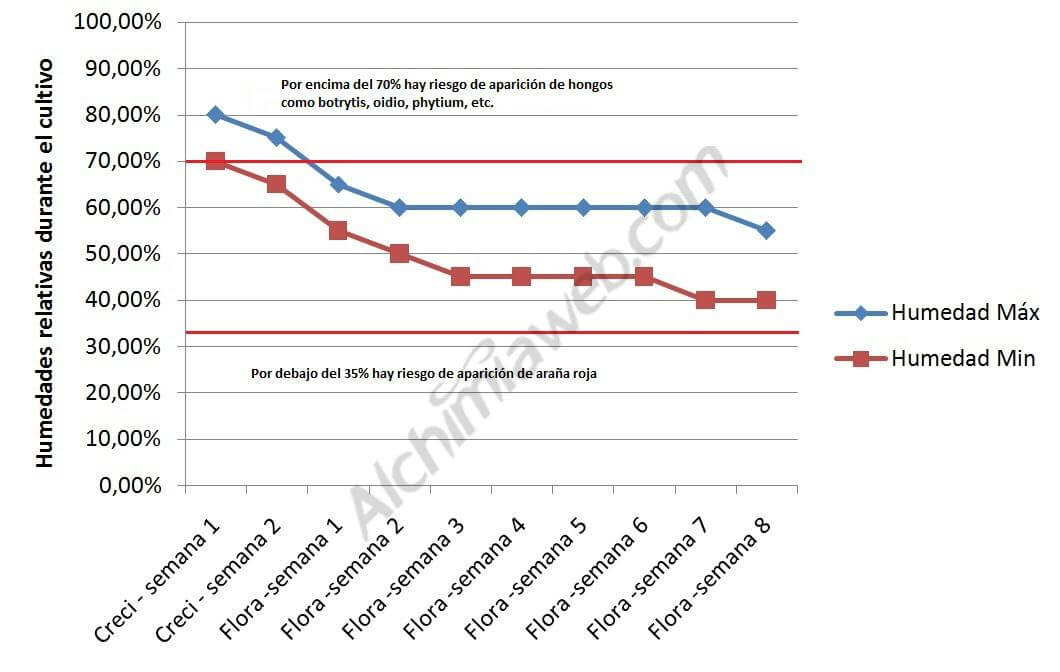
Graph of humidity necessary for indoor cultivation:
In the following graph, we show the range of humidity that cannabis requires throughout its cultivation according to week and photoperiod. We can easily see how there is an optimal range, between the maximum and the minimum, in which plants feel comfortable. The smaller the plants are, the more humidity they require, and the more advanced they are in flowering, the less relative humidity they need. At the top of the graph, we see a red line that marks the limit at which molds can attack cannabis plants, with high humidity, and just the opposite, at the bottom, another red line that marks the point where spider mites may appear in the crop.
Other possible insect or fungal attacks can occur with high or low humidity, but those mentioned are the most important and harmful.
The distance between the lamp and the plants
This is another important point to obtain maximum bud production indoors. As we have mentioned, each light power has its optimal cultivable space. But what happens with the height between the lamp and the plants?
The 600W spotlights provide about 92,000-88,000 lux per cm2 at a suitable height, depending on the type of bulb to be used. This is the measurement that we will take as a reference to know if we are within the optimization of the light used. It is difficult to know, without a lux meter, if the light bulb is at the height it touches or not. There is a rudimentary system that works well, which is to place your hand just above the last leaves of the plants. If we can hold our hands for a while without burning ourselves or without noticing excessive heat, we are fine. Otherwise, if we put our hand under the light, we notice that it is burning, we will have to raise it since the plants will also notice it and become stressed.
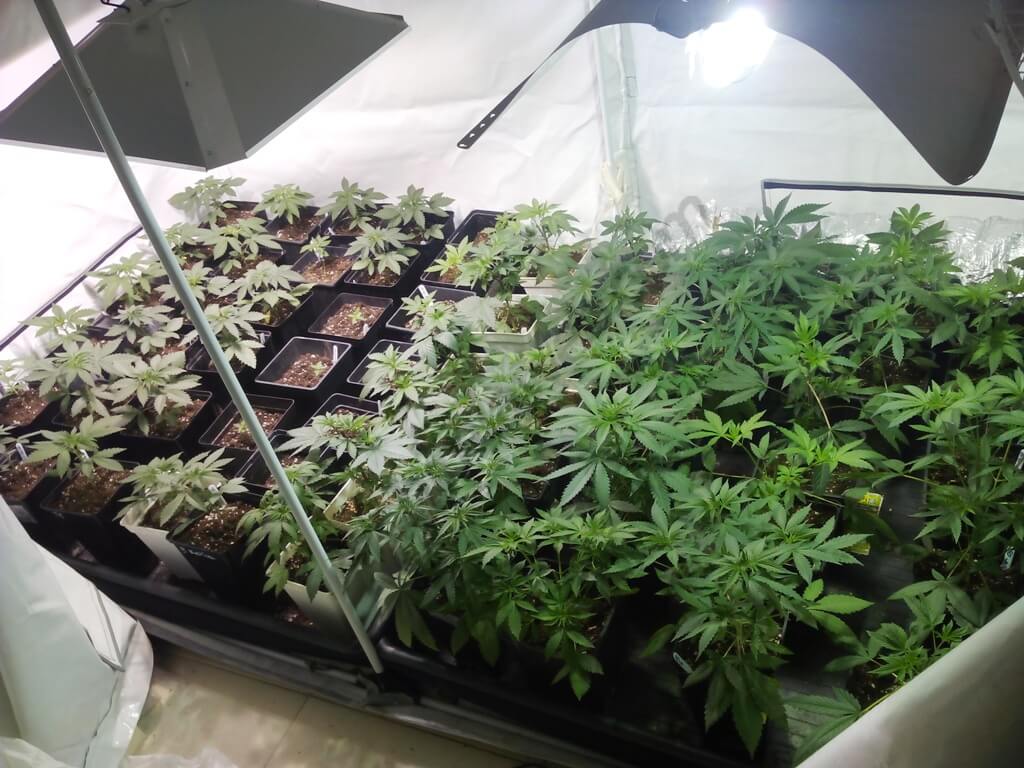
It is clear that if we can use a light meter, everything is much easier to manage since we can obtain readings instantly and modify its height without going blind, optimizing its use as much as possible.
The distances that are usually recommended for indoor cultivation according to focus power are the following:
- 600W lamp, height from 50 to 60cm, 92,000 lux (maximum)
- 400W lamp, 40cm height, 62,000 lux max (maximum)
- 250W lamp, 25cm height, 32,000 lux max (maximum)
The height of the focus can be lowered a little more as long as the temperature of the canopies and tops of the plants is below that mentioned as optimal. If it is higher, then we will raise the focus a little until the temperature is within the optimal range. It is important to maintain an adequate distance since light is one of the factors that will make the buds have more weight, and the light penetration will be greater, causing the lower parts of the plants to also compact like the tip, which increases the weight considerably.
Types of lights to use in a productive crop: HM (metal halides) and HPS (high-pressure sodium)
Lighting in cannabis cultivation can vary, given that there are low-consumption lights on the market, plasma, LEDs, and HID, but in this post, we focus on the most well-known and common lighting that every grower has in their grow tent.
We differentiate between HM and HPS lights. HM lights are a type of light that has a more bluish spectrum, which emulates the light of spring outdoors, which is the time when seeds germinate and their growth begins.
These HM or metal halide lights give off less heat than HPS lights, so that they can get closer to the plants without them noticing excessive heat as happens with HPS lights. We will use the HM well into the 2nd week of flowering until the first flowers appear on the plants. They will help us give a better structure to the vegetal skeleton of the plant with shorter internodal distances compared to the use of mixed lights or HPS for growth.
On the other side, we have the HPS or high-pressure sodium lights. These lights have a reddish color and emulate the sun of late summer or autumn, the time when outdoor cannabis plants flower and harvest.
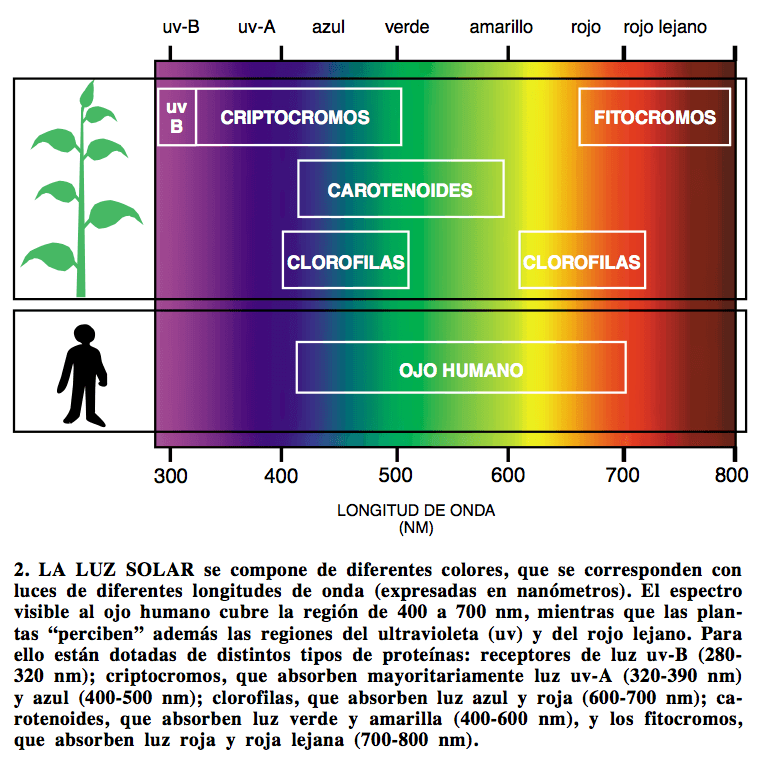
Depending on the brand of bulb, they have a color called far-red, which is very important to get the most out of the plants. The best bulbs are Philips, which all have a small amount of far red that suits the plants very well. It should also be said that this far-red color is caused by a metal inside the gas that the light bulbs use to function.
We emphasize that this gas is spent after the 3rd or 4th crop, and it is for this reason that it is recommended to change light bulbs every year to be on the safe side.
HPS lights release more heat and cannot get as close to the plants. To solve this small impediment, you can, without problem, put a small clip fan, hooked to the reflector of the bulb, to act as a temperature dissipator, reducing the direct impact of heat on the plants and thus being able to lower the height of the lamp.
Control or measurement elements necessary to control the growing environment:
- Humidifier
- Timer clocks
- Temperature + Humidity controller
LED lamps and cannabis cultivation
In the continued search for more efficient and sustainable growing methods, next-generation LED lamps have emerged as a popular option among indoor cannabis growers. These lamps offer many significant advantages over traditional lighting technologies such as high-pressure sodium (HPS) lamps and metal halide (MH) lamps.

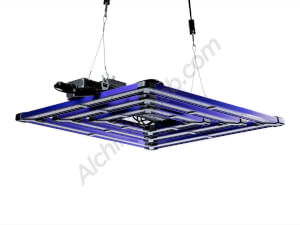

- Energy Efficiency: LED lamps use significantly less energy compared to conventional lighting technologies, resulting in lower electricity costs and a reduced carbon footprint.
- Adjustable Spectrum: State-of-the-art LED lamps allow growers to adjust the light spectrum to suit the specific needs of plants at each stage of growth, from the vegetative phase to flowering. This gives them greater control over plant development and can improve crop quality and yield.
- Low heat generation: Unlike HPS and MH lamps, which emit a significant amount of heat, LED lamps generate less heat, which helps keep temperatures in the grow space under control and reduces the need for cooling systems. Expensive ventilation and cooling.
- Long Lifespan: LED lamps have a longer lifespan compared to other lighting technologies, meaning less maintenance and long-term replacement costs for growers.
- Low profile and modular design: LED lamps typically have a slimmer profile and modular design, making them easier to install in grow spaces with limited height and allowing growers to adapt their lighting setup as needed.
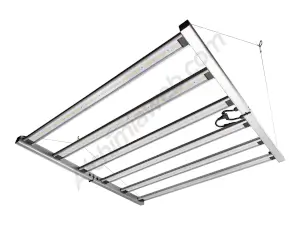
In summary, next-generation LED lamps offer an efficient, versatile, and high-quality solution for indoor cannabis cultivation, allowing growers to maximize the yield, quality, and sustainability of their crops. LED equipment such as Lazerlite Led PRO 720w, LUMii Black Led 720W, or Lumatek Zeus 600w Pro 2.9 LED are gradually replacing traditional discharge lamps.
Fertilizers for cannabis cultivation, top yields
This is one of the sections that must be taken into account when cultivating. Many growers ask but why so many products to provide to the plants? The answer would be to be able to turn a normal plant into a super plant. An example would be: Why do elite athletes follow a specific diet as well as specific training? Well, the same objective pursues them, that of gaining more speed in the case of a runner or gaining more weight in the case of plants.
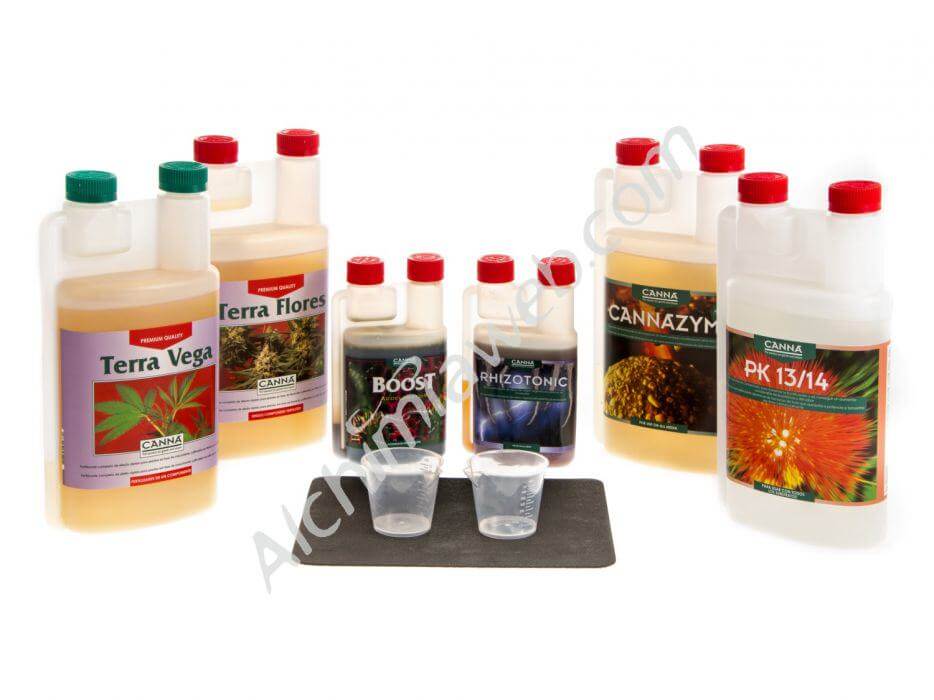
It must be understood that fertilizers are highly necessary in cultivation, since it is the food for the plants, just as people who eat little are thin, the same happens with plants, the less food, the less amount of flowers. But when is the best time to increase nutrient doses or when to apply supplements? Or what supplements to use to improve its production?
There are 2 types of fertilizers for cannabis: organic and mineral, and then we also find organo-minerals, which would be a mixture of the previous two. With mineral fertilizers, the absorption of nutrients by plants is direct, and the ionic exchange between root and nutrient is instantaneous, but the same does not happen with organic fertilizers, which must first decompose, helped by microbial life, to able to be absorbed by the roots of plants.
In this case, we focus on organic nutrients since they are the ones that will provide the best quality to the flowers, always leaving a better flavor than using mineral fertilizer, if the plants are left very clean at the end of the crop. But it must be mentioned that mineral fertilizers can be used without problems to harvest excellent qualities and productions.
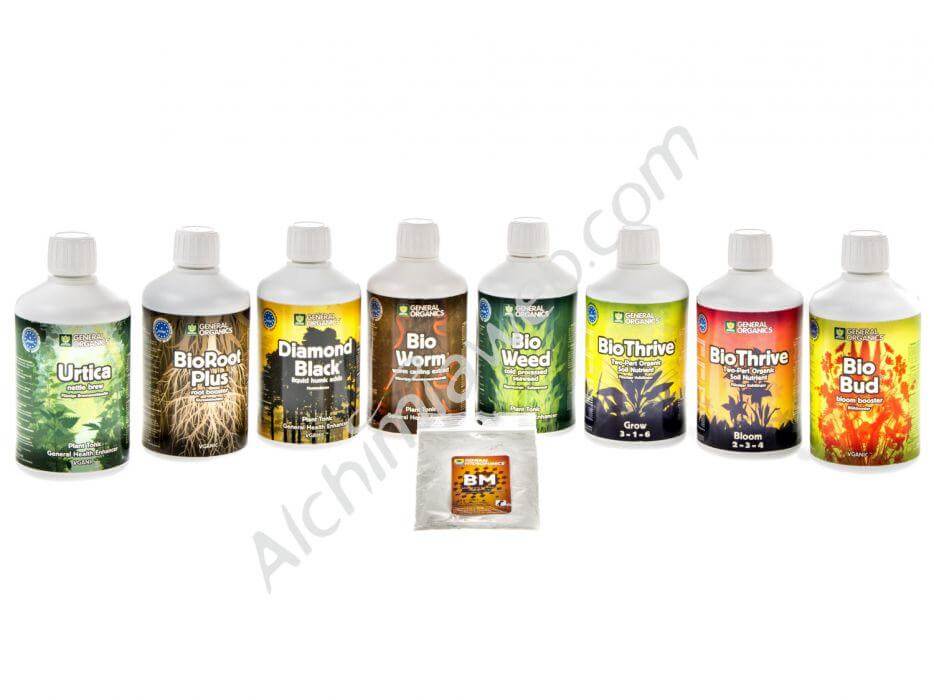
We explain what, in other posts, we will use as "technical" words, to show what products to use during cultivation:
- Growth/flowering base fertilizer: This is the name given to the fertilizer that we will use during growth or flowering, which, without other extra contributions, the plant can survive without problems. They usually have a balanced NPK that works well for all phases of the plant's life. These fertilizers can be in A+B format, mixing them in the same proportions throughout the crop. There are also single-bottle fertilizers that are differentiated between those for growth and those for flowering, but they would all be considered base fertilizers.
- Root stimulators: These are the names given to products that may or may not be fertilizers or contain part of them, but whose use stimulates a specific part of the plant, in this case, the roots. They make them grow more and have more capillaries through which the plant will feed daily, so the more roots, the greater the capacity to absorb nutrients and, consequently, the more production the plant will be able to have.
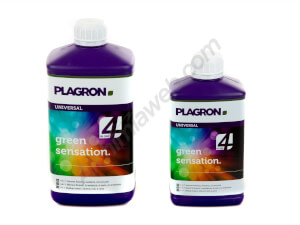


- Growth stimulator: This is the name given to products that, whether partly fertilizers or not, stimulate the growth of plant cells. These usually have high concentrations of N, compared to P and K, although the balance between the different macronutrients must always be maintained. With them, plants grow more because they contain more food to spend. They are not always necessary; sometimes simply increasing the doses of the base fertilizer may be enough, but they are always an option to take into account.
- Bloom Stimulator: This is the name given to products that are not fertilizers but that help the plant in the assimilation of nutrients during the flowering phase. They fall into this group, as well as the growth group, amino acids, auxins, and hormones in general, among others.
- Enhancers: Growth and Bloom are fertilizers that contain high concentrations of the nutrients most used by the plant, to either grow faster or to flower with more strength and power. They are used especially during flowering.
- Others: Micro life, Micronutrients, amino acids, hormones, etc.
Cultivation technique to implement for maximum production indoors
Many cultivation techniques can be implemented in a cannabis crop, but which of them is best and fastest to get the maximum production per m2?
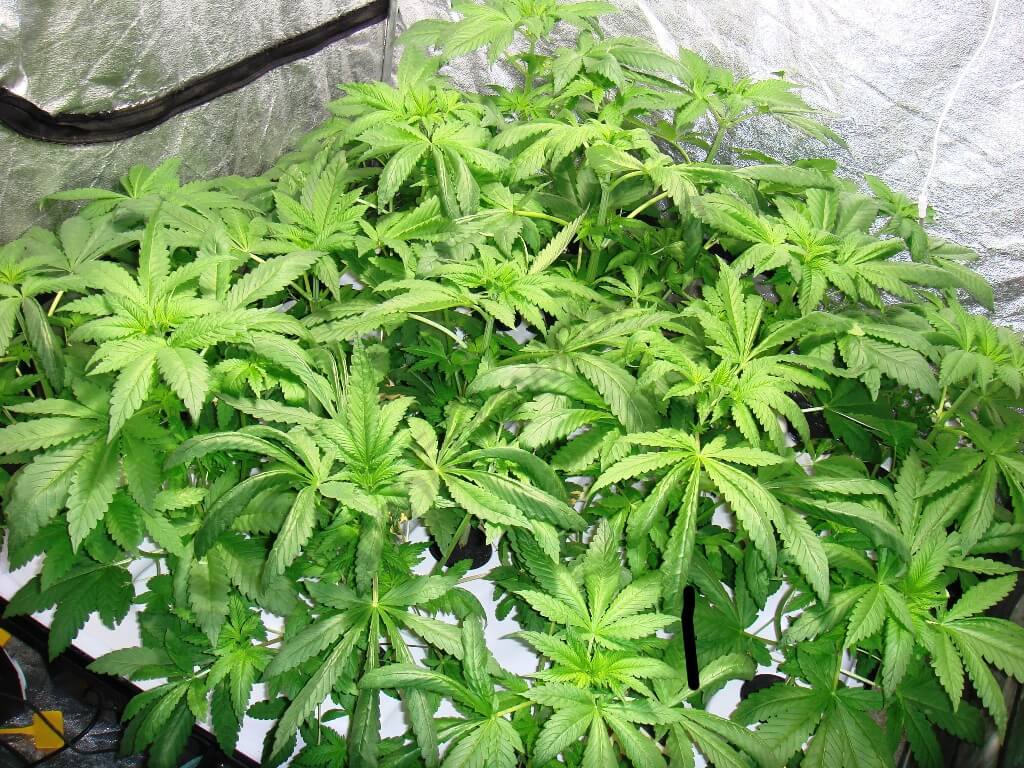
Of all the cultivation techniques that are known, we choose the SOG or Sea Of Green tech. This type of cultivation is based on placing the maximum number of plants per m2, preventing the plants from branching in their lower part to provide them with more vertical than horizontal growth.
For this type of crop, we require about 16/20 to 30 plants per m2, whether in cutting format or starting from seed. Since when we put many plants we will also put many pots, we must find a pot that works well for this type of cultivation.
Pots can vary greatly depending on the number of plants to be grown in a m², but also depending on the substrate to be used for growing cannabis plants. Soil is the best-known substrate for growing cannabis, but there are also other very competent ones, such as coconut, rock wool, clay, or arlite, or directly without substrate as in pure hydroponic and aeroponic systems, such as DWC (Deep Water Culture). ) or the NFT (Nutrient Film System). In hydroponic crops, if they are 100% controlled, it is easier to achieve the 1g/1w ratio.
In this case, we will talk about soil as a growing substrate since it is the most used by indoor growers, although, as we have already mentioned, there are others very competent for producing large productions of buds.

Taking into account the number of plants to grow, we will put some pots of one capacity or another. A suitable final pot size is 3.25L, which usually makes about 16cm2 at the top, so that about 25 can easily fit for 1m2, using 5 rows x 5 columns, you can also use fewer plants, but remember that we are raising a crop fast and productive. Now knowing the number of pots that fit inside the closet, we know how many plants to grow, 25 plants or cuttings.
It should be said that we will not use the 3.25L pot from the beginning of cultivation. We should use smaller pots at first and transplant when it is really necessary. The importance of transplants is high in terms of controlling the height and shape you want to give to the plant.
In this case, we are looking for plants that have vertical growth, with little lateral branching, so that when they start to flower, they do so in a single bud or cola.
When small pots of less than 1L are used, the plant grows in a more vertical way and without branching the lower part, but at the same time, it can also happen that the plant spikes when it has already conquered the substrate in the pot and it has already settled well. At this time, the small plants should be transplanted to a higher pot. We recommend a minimum of two transplants, although the most appropriate would be 3. With two, it can also be done easily, reducing much of the work to be done, since 25 transplants entail a few hours of extra work.
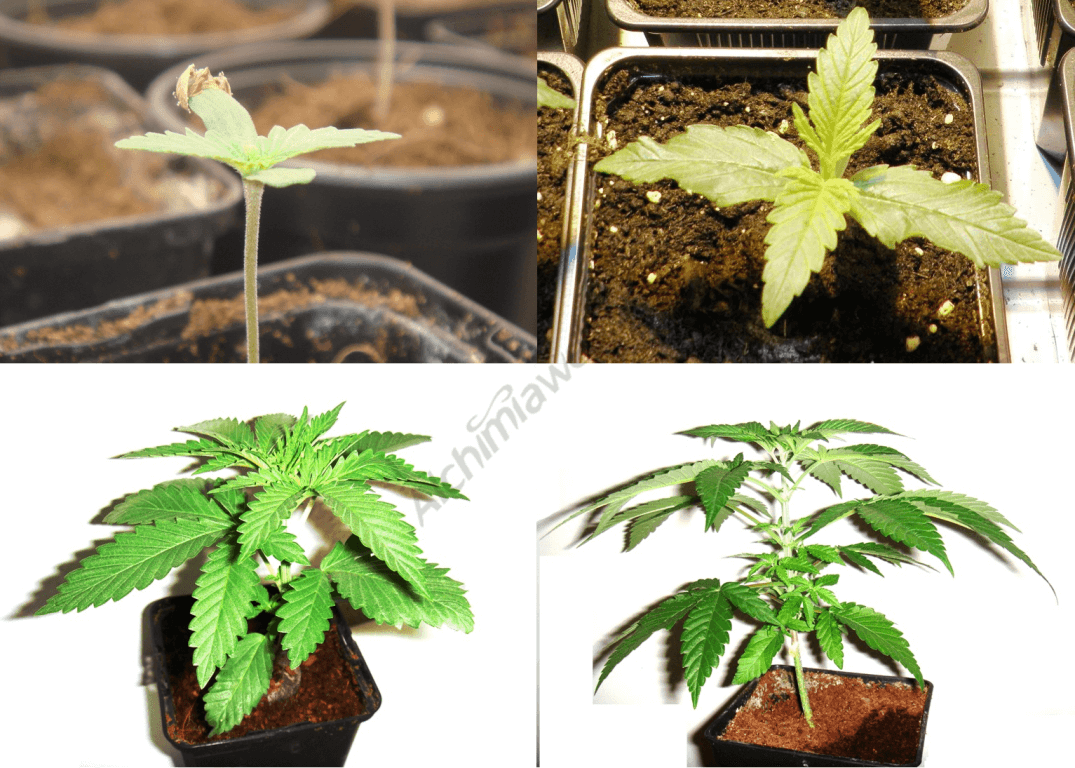
Transplants: minimum 2, ideally 3
- Pots for transplanting: initial 0.5L, intermediate 1.4L, end 3.25L
- Minimum pots for transplanting: initial 0.5L or 1L, 3.25L final
Clones or seeds for maximum production
This is one of the important points to take into account when we want to maximize indoor production. Large harvests can be obtained from both, whether cuttings or seeds. What needs to be taken into account is the genetics that are going to be grown, since each strain varies a little in its diet and vital needs. We will therefore try to use only one strain in the crop, avoiding multi-strain cultivation.
Whether we grow from seeds or cuttings, we will always try to germinate or make more cuttings than necessary; 5 too many will be enough. It is very easy for some of the plants to have some delay in growth, either due to genetic reasons or due to the fault of the grower. In this way, by making more cuttings, we ensure that if any of them do not root well or have a problem, we have others that can take their place, always leaving those that are stronger and more vigorous.
You can maximize cultivation with any cannabis strain. What happens is that with some, it is easier to achieve the 1g/1w ratio, and with others, it costs a little more. In the case of genetics, we will look for those strains that have the characteristics that we like the most, but with a large production of buds, with which it is easier to achieve the 1:1 ratio.
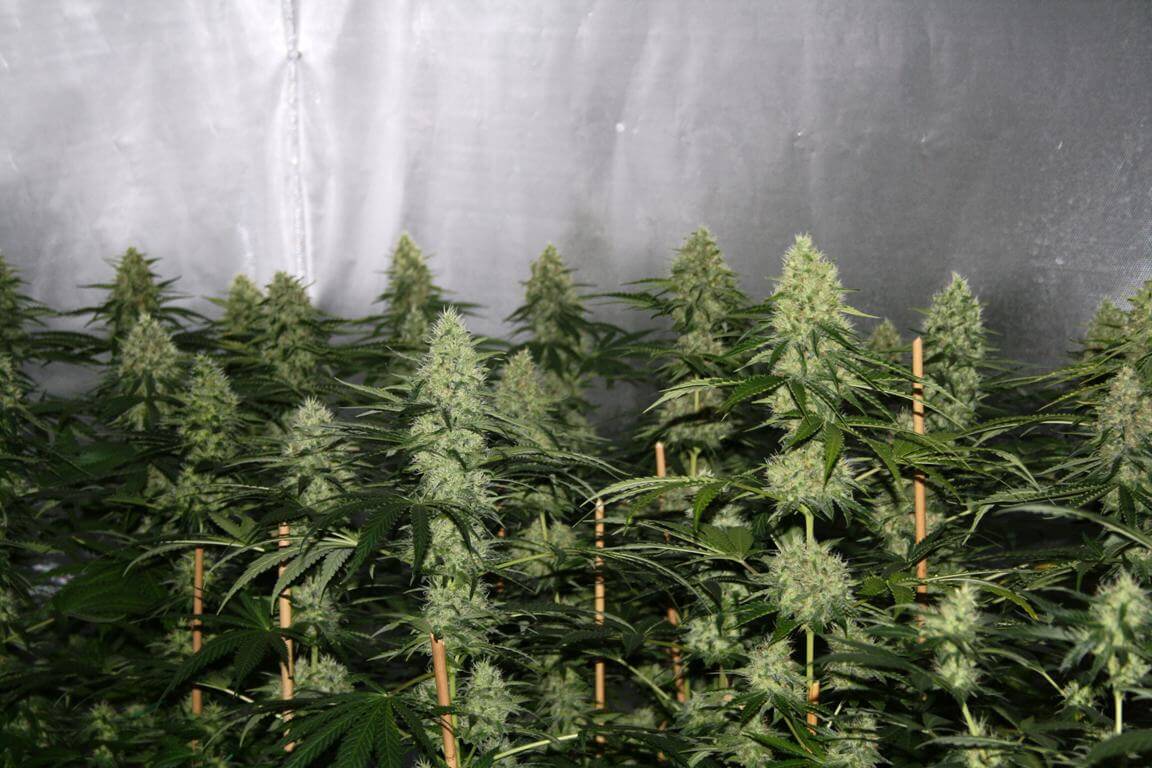
Some genetic families can become very productive. Generally, these are hybrid strains whose ancestors were previously selected taking this characteristic into account, without forgetting power and flavor. These families are:
Apart from the strain and its production, the flowering time must also be taken into account. We will call these fast-flowering plants, which have different genetics on the market since some will allow up to about 4 or 5 crops a year, and by growing others, you can only make 3 or 4. Quick-flowering cannabis plants that last about 50 days are ideal since they can be harvested in no more than 3 months, and even if prior growth is carried out in another growing location, you can carry out continuous flowering and grow up to 5 crops for 2 months a year, greatly increasing flower production in one year.
When to put the plants into flower?
When to put the plants into flower? It is a very common question that we will clarify below. Before the cannabis plant can flower, it must have a good root system since the absorption of nutrients and the ability to grow and create more buds depend on it.
How to increase root mass so that nutrient uptake is optimal?
There are different products on the market, such as root stimulators that help the plant develop roots. Apart from this help, we will have to water the cannabis plants correctly, with short and precise irrigations which will make the pot dry in 2-3 days, after which we will water them again.
This period of humidity/dryness causes the roots to stimulate their growth, as humidity appears and disappears. When this disappears, the roots have to go in search of it, digging up the substrate and achieving greater root expansion than if watering with more water is carried out.
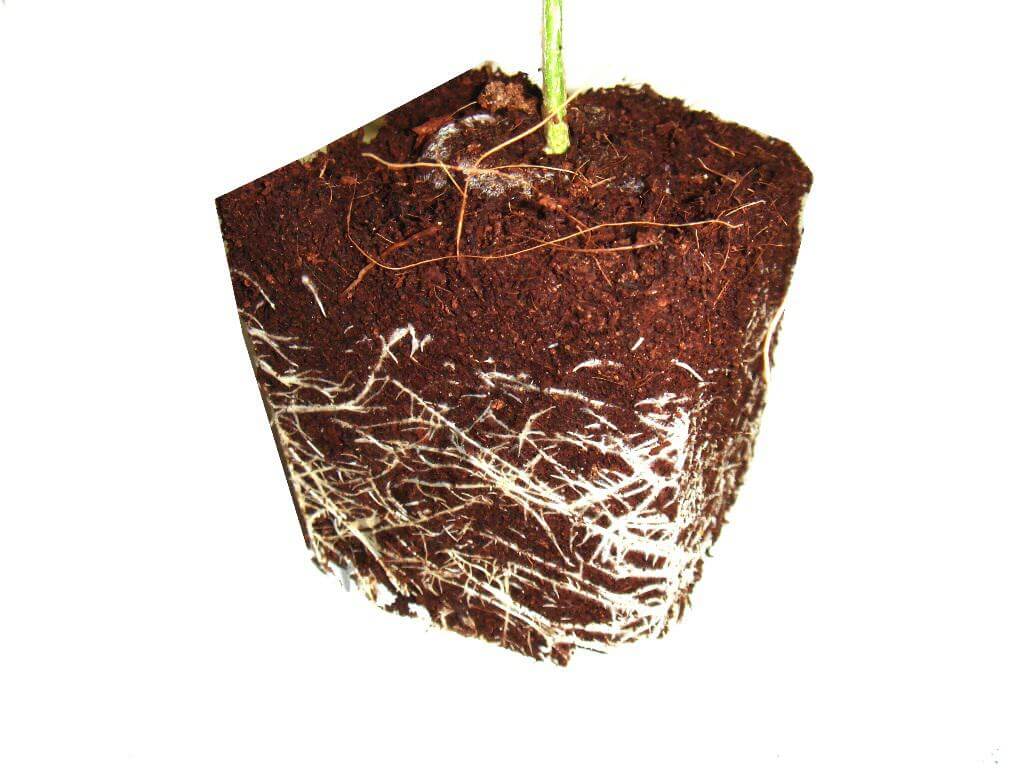
As we have already mentioned, transplants are important for height control, but also to help us avoid overwatering, since it always takes less time for a small pot to dry out than a large pot. If we water with too much water, we will get the opposite effect, slowing down its growth and facilitating the possible attack of fungi on the root system, which can lead to the death of the plant in a few days, drying out as if there were a lack of water, or even being attacked by Pythium.
The bacteria or Trichoderma in the crop and the roots will help in its stimulation and growth, as well as improve the assimilation of nutrients. These are a little-known but very effective resource both to improve the vitality of the plant and to protect it from bacterial intrusions.
Once we have the plants with a strong root system, they are planted in their final pot and have occupied about 50% of the cultivable space visually, we can start them to flower, and they will end up filling the space that is left free in sight and They will do so with more branches, which means that everything is filled with buds during flowering.
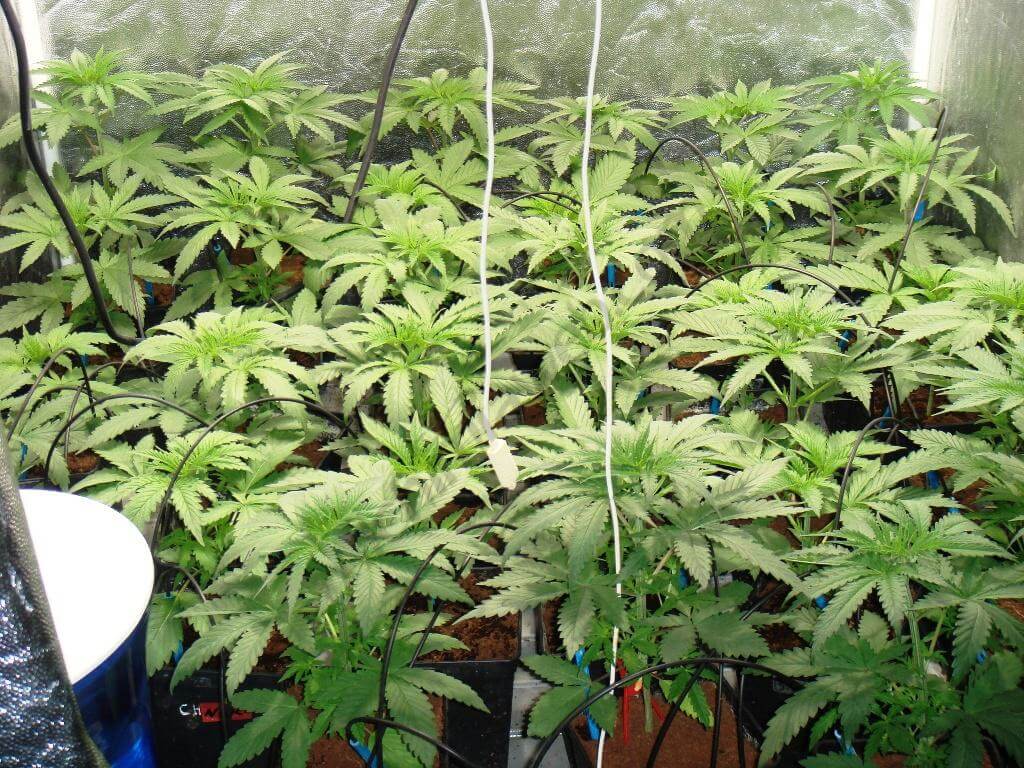
You must try to ensure that the plants are healthy in every way before letting them bloom. If the plants have nutrient deficiencies or are full of insects or fungi, it is clear that flowering will be a disaster. The attack of possible fungi and insects on marijuana plants must be prevented as best as possible, and a balanced diet must be maintained that keeps the plant healthy.
Pruning for maximum production
In a Sea Of Green crop, in which we want speed and production, we seek to concentrate maximum bud production on the tips of the plants. To achieve this effect, you must try to leave those parts where light does not touch free of shoots and leaves. By placing many plants per m², light penetration is less than in conventional cultivation. The shoots in the lower parts that do not provide quality buds must be pruned so that all the energy of the flowering plant is concentrated at the tips, which is where the light has the most direct impact.
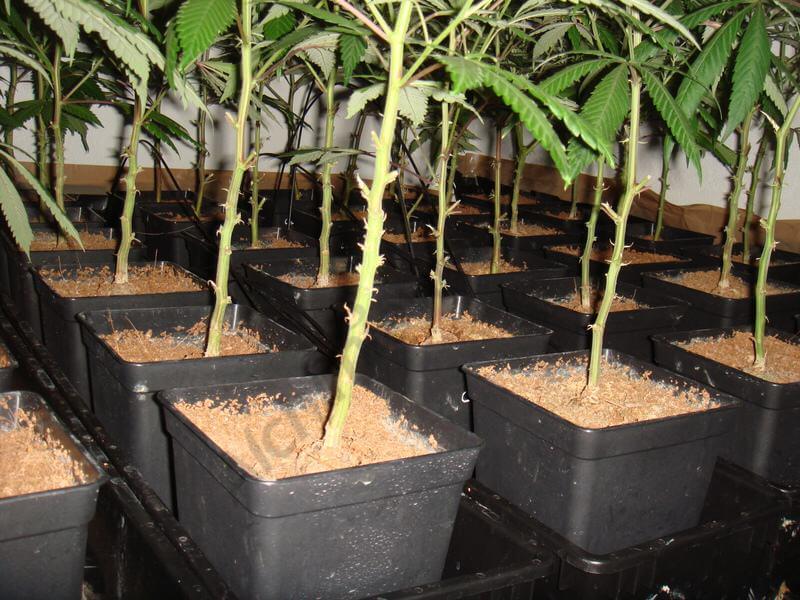
We will do the pruning of the lower part just before the plant begins to flower. If it is done ahead of time, having cut its lower parts, it will grow or stretch more during the stretching period. We will achieve the opposite effect if plants are left unpruned until after the stretching period, days in which the plant is in the 12/12 hour flowering photoperiod, but continues to grow without having flowers; they do not grow as much vertically. obtaining shorter and more compact plants. Low pruning must be carried out before the plants begin to create flowers, generally, or before setting at 12/12 or during the 1st and 2nd week of flowering at 12/12h, it all depends on how the plant has grown during growth.
Thus, pruning must be selective; we do not have to prune just for the sake of it, but looking at the state of the plant, we will assess whether we prune a lot, a little, or not at all. Everything will depend on the evolution of the crop and whether the plant requires it or not.
Nutrition of marijuana plants for maximum production
Feeding marijuana during cultivation is essential to obtain the best production. The fertilizers must be dosed well; it is not enough to just cast an amount of fertilizer and wait to see what happens... the ideal is to give the plant those levels of nutrients that it needs in the right amount and according to the stage of development in which it is, that is, we will not give the same nutrition to young growing plants as to large flowering plants, but we will adapt it to their needs.
To adapt the nutrition of marijuana plants according to needs, we must first know what needs the plant has during its life. Plants need a wide range of nutrients, all in different quantities, some more and others less, differentiating between macro and micronutrients. The macronutrients are the best known: N - Nitrogen, P - Phosphorus, and K - Potassium, then the micronutrients come in, they are required in smaller quantities but they are equally essential, which are: Ca - calcium, Mg- magnesium, boron, cobalt, Zinc, copper, iron, etc.
To now understand the nutritional needs of plants, we show you this graph made by Aptus fertilizers, in which you can see when it is necessary to provide more of one nutrient or another, depending on the stage of life in which the plant is.
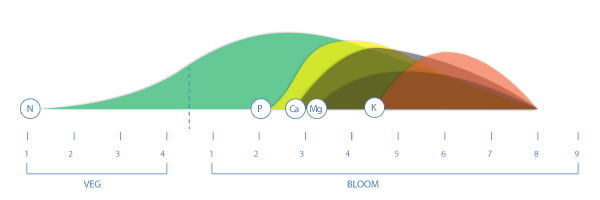
In this graph, we can see how during growth and the beginning of flowering, a large amount of nitrogen is provided, more than any other nutrient, which helps the plant to grow and stretch until the second week of flowering. From the second week of flowering, phosphorus comes into play, which is responsible for stimulating the first appearance of flowers.
Once the plants are flowering, and from the 2nd week of flora, the strains usually require a bit more calcium and magnesium. The dose will always be increased, taking into account that you have to apply two parts of calcium to one of magnesium; otherwise, white spots will begin to appear on the leaves, which translates into a deficiency. Finally, when the plant has already created the initial structure of the bud, you can add extra potassium that will help the plant create large and compact buds.
Now we know what nutrients are required and when, so the only thing we don't know is exactly what amount needs to be provided to get maximum production. There are many plant cultivation tables that we can follow, but many of them are not completely compatible with the discussed cultivation scheme. It is best to make our own cultivation table to be on the safe side, modifying it according to the genetics to be grown, since not all of them have the same nutritional needs.
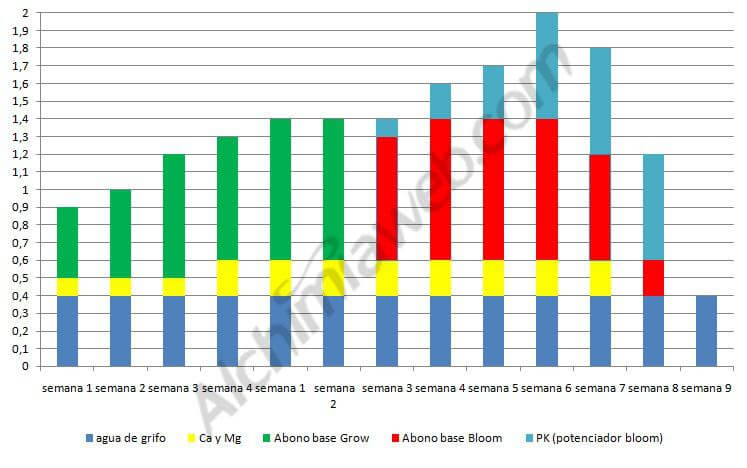
To ensure the play and not go overboard with the doses of nutrients to be used, since we will have to take the plants almost to the limit of their nutrition without them suffering from any excess nutrients, we will have to use an EC or electro-conductivity meter. Conductivity is the ease with which a liquid can transport current. The more salts dissolved in water, the more current can pass through, so that it will have a greater electroconductivity or EC. Taking into account that water without nutrients, such as distilled water, is not a conductor of electricity, this means that the more nutrients, the higher the EC levels will be.
By having a meter and using a table of EC for cultivation, we can adapt the nutrition of the plants to the millimeter, ensuring that they are always at their optimal point without going overboard, but at the same time making the most of their possibilities. Following the table, we will avoid deficiencies and excesses in plants.
The pH in the maximum production crop
The pH in marijuana cultivation is very important. If EC is the food we provide to the plant, pH, let's say, is the valve that regulates the entry of nutrients into the plant's metabolism. Each nutrient has an optimal assimilation based on a specific pH, but also depending on the substrate used.
On land, the range of nutrient assimilation is usually quite wide, and these are absorbable from a pH 6.0 to 7.0. Within this range, the different nutrients are absorbable by the roots. If this aspect is not taken into account and a substrate with an unbalanced pH is being used, the plant cannot absorb all the food it should, and the buds do not develop as much as they should, with the consequent loss of production.

In many cases, poorly adjusted pH in the crop is the reason why production is not higher. During growth, pH control will not be so important, since nitrogen is absorbable to a high degree and the plant will grow without problems, but nutrients such as phosphorus, calcium, and magnesium are absorbable in a higher range, starting at a pH of 6.5. With this data, we see that the midpoint of the confluence of all the pH levels is in the range of 6.5, so we will try to carry out irrigation with pH fluctuation, making it go from 6.0 to 7.0, so that the plant does not have problems with its nutrition. We will grow with a pH closer to 6.5 and bloom with a pH closer to 7.0, but always carry out the aforementioned fluctuations.
We hope it helps you with your crops and that they become more productive!
Greetings!